Russia has continued targeting Ukraine’s digital infrastructure, with a reported strike on an internet service provider’s data center in Odessa highlighting the growing role of telecommunications facilities in the ongoing war. Russian officials claim the facility was being used by Ukrainian armed forces to process, transmit and store information. The attack reportedly damaged critical infrastructure, including cooling systems and power-generation equipment, potentially disrupting services for businesses and civilian customers.
The strike reflects a broader pattern of attacks on facilities that support internet connectivity, cloud computing and digital communications across Ukraine. As the conflict increasingly affects the country’s technological infrastructure, questions are growing over how these attacks could impact military operations, civilian services and the resilience of Ukraine’s digital economy.
Odessa Data Center Suffers Infrastructure Damage
Tenet, a telecommunications company established in Odessa in 1992, reported significant damage to its technological complex following the attack. The company provides internet, television, telephone and hosting services, making its infrastructure important to communications across the region.
The reported damage affected essential supporting systems, particularly cooling equipment and power-generation infrastructure. Data centers require continuous electricity and carefully controlled temperatures to keep servers and networking equipment functioning. When these systems are damaged, operations can be disrupted even if the main computing hardware remains intact.
Tenet also provides colocation services, allowing businesses to house their servers and networking equipment within its facilities. Damage to such infrastructure can therefore affect multiple customers, depending on the equipment involved and the availability of alternative systems.
The company indicated that repair work could result in temporary service interruptions in certain areas. However, it also reported that overall network capacity remained stable, suggesting that other parts of its infrastructure continued supporting operations.
Russia’s Ministry of Defense claimed the facility was being used by Ukrainian armed forces to process, transmit and store information. The specific military functions allegedly performed at the site have not been independently established.

A Broader Pattern of Attacks on Digital Infrastructure
The Odessa incident follows other reported strikes against Ukrainian data centers, telecommunications facilities and hosting providers. Russian officials have increasingly described such locations as supporting Ukraine’s military communications and information systems.
Another reported target was a data center associated with Ukrsibbank in Kyiv. Russian authorities alleged that the facility supported intelligence-related activities connected to Ukrainian forces. A separate reported strike affected hosting provider RX-Name in the Mykolaiv region, with Russian officials claiming that its infrastructure supported military information processing.
Other telecommunications and hosting companies, including Vodafone Ukraine, Datagroup, MiroHost, De Novo, Cosmonova and Ukrtelecom, have also been associated with reports of damage to digital infrastructure during the conflict.
These incidents illustrate how modern warfare increasingly extends beyond conventional military installations. Telecommunications networks, cloud platforms and data storage facilities can support military coordination, government operations and essential civilian services simultaneously.
However, the military significance of each facility depends on its actual use. Claims made by either side during an ongoing conflict require careful scrutiny, particularly when the distinction between civilian and military functions is unclear.
Why Data Centers Matter in Modern Warfare
Data centers form the backbone of many digital services used by governments, businesses and individuals. They house servers, storage systems and networking equipment that enable websites, online applications, communications platforms and cloud services to operate.
For telecommunications companies, these facilities can support network management, internet traffic, hosting and connections between different systems. Disrupting a major facility may consequently affect numerous customers rather than a single organization.
The impact depends on how much infrastructure is concentrated at the affected site and whether alternative facilities can handle the workload. Companies with distributed networks may redirect traffic or transfer services elsewhere, although these measures can require time, technical resources and additional operating expenses.
Physical damage to cooling and power systems can be particularly disruptive. Even when stored information survives, restoring a facility may require specialized equipment, replacement components and extensive technical inspections.
Cybersecurity and physical security have therefore become increasingly interconnected. Protecting digital infrastructure requires not only defending networks against unauthorized access but also ensuring that the buildings, power supplies and equipment supporting those networks can withstand physical disruptions.
Potential Consequences for Civilian Services
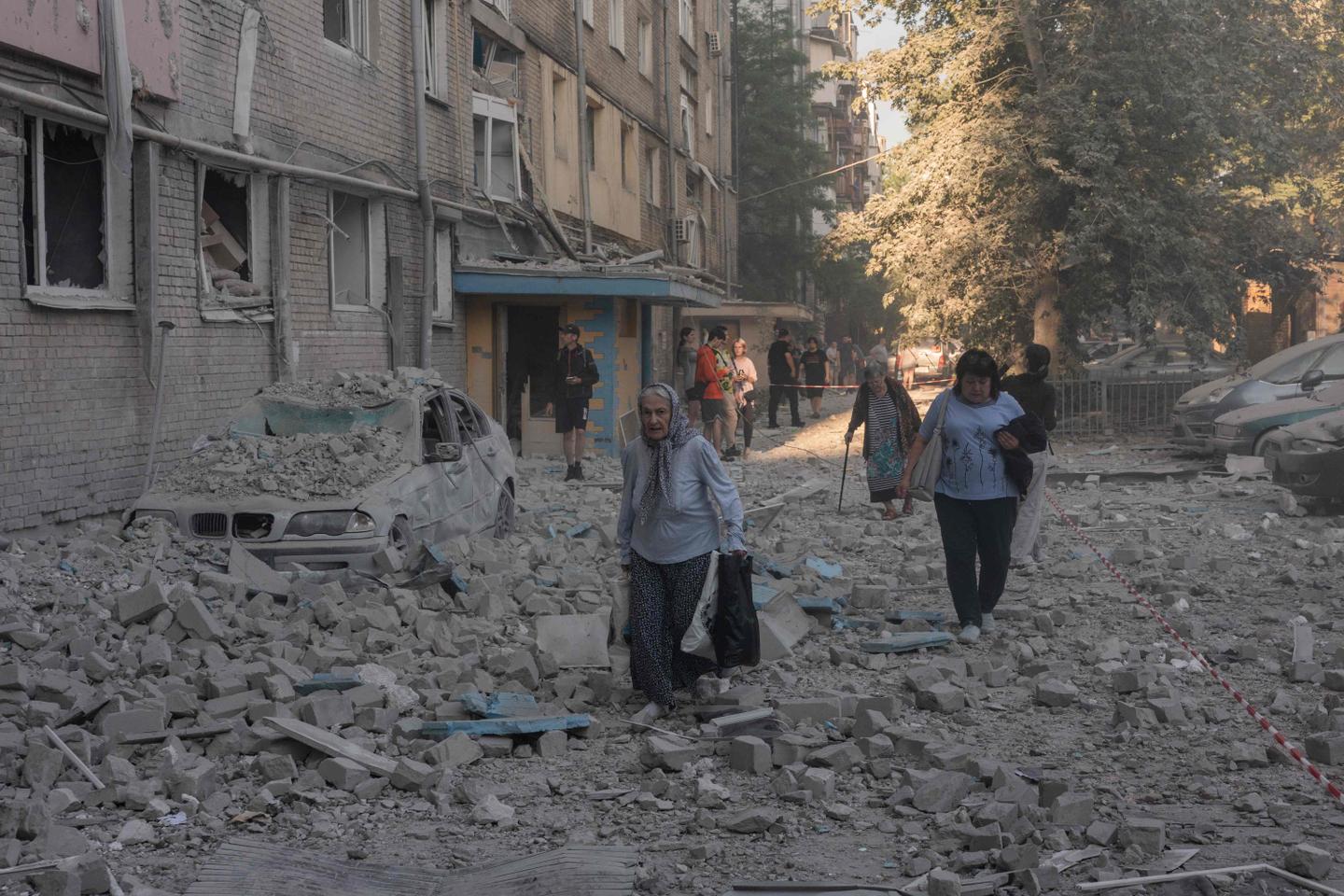
Although Russian officials have characterized the targeted facilities as supporting Ukrainian military operations, telecommunications infrastructure often serves both commercial and civilian customers.
Damage to an internet provider’s facilities can affect households, businesses and organizations that depend on reliable connectivity. Potential consequences include temporary internet outages, interruptions to online transactions and disruptions to websites or other hosted services.
Businesses may also face additional costs if they need to move equipment, restore data or temporarily rely on alternative providers. For companies that depend on uninterrupted digital operations, even short outages can affect productivity and customer service.
Nevertheless, damage to a data center does not necessarily mean that all stored information has been destroyed.