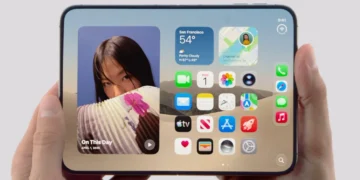
Apple is reportedly planning to add support for RCS 3 (Rich Communication Services 3) in iOS 26, a move that could significantly improve messaging capabilities between iPhones and Android devices. This marks one of the most meaningful steps yet in Apple’s long-running relationship with cross-platform messaging standards. Industry watchers believe RCS 3 support could enhance user experience, boost interoperability, and help modernize the way iPhones communicate with the wider mobile ecosystem.
RCS has been adopted widely on Android for years, progressively replacing SMS with richer features such as high-quality media sharing, typing indicators, and read receipts. Apple’s rumored integration of RCS 3 signals a new era in mobile messaging that could reduce fragmentation and reliance on third-party apps.
RCS or Rich Communication Services is a messaging standard developed to replace the aging SMS and MMS protocols that have powered text messaging for decades. Unlike SMS/MMS, which is limited in functionality, RCS enables a richer suite of features:
- High-quality photo and video sharing
- Typing indicators and read receipts
- Group chat enhancements
- Improved encryption and security options in its latest version
RCS 3 is the latest evolution of the standard, further refining the experience with enhanced reliability, improved media handling, and broader support for advanced features across carriers and devices.
For years, Android manufacturers and carriers around the world have implemented RCS to varying degrees, but Apple has continued to rely on its proprietary iMessage platform for rich messaging between Apple users and fallback SMS/MMS for others.
Adding RCS 3 would give iPhone users access to richer messaging features when interacting with Android users without relying on third-party messaging apps.
Why Apple Is Considering RCS 3 in iOS 26
Apple’s potential adoption of RCS 3 did not come out of nowhere. Multiple industry pressures and user demands appear to be driving the company toward greater interoperability:
Improving Cross-Platform Messaging
For iPhone users communicating with friends and family on Android phones, messaging experiences can feel outdated. Photos sent over SMS often arrive compressed; group messages can break; and advanced indicators like “typing…” frequently don’t show up. RCS fixes many of these issues by providing a modern messaging protocol that works across platforms.
Regulatory and Competitive Pressures
Regulators in key markets particularly in Europe have been pushing for greater interoperability between platforms to reduce lock-in and promote competition. Apple’s addition of RCS 3 may help satisfy some of these regulatory expectations and reduce scrutiny around messaging standards.
User Experience Demands
Younger users, in particular, are accustomed to rich chat experiences in third-party apps like WhatsApp, Telegram, and Signal. RCS offers a more native way to deliver similar features within the default messaging app, potentially making the Messages app more competitive.
What RCS 3 Support Could Enable on iPhone
If Apple implements RCS 3 in iOS 26, users could see several concrete improvements in cross-platform messaging:
1. High-Quality Media Sharing
One of the biggest complaints about traditional SMS/MMS is poor media quality. RCS 3 supports sharing images and videos at much higher resolution and bitrate, meaning pictures sent from an iPhone to an Android device could arrive far clearer than before.
2. Enhanced Typing and Read Indicators
RCS 3 includes typing indicators, read receipts, and delivery statuses when messaging with compatible devices. These familiar features already common in iMessage would finally extend to Android conversations without requiring apps like WhatsApp.
3. Better Group Messaging
Group chats across iPhone and Android often devolve into fragmented threads due to protocol mismatches. RCS 3 standardizes group messaging behavior, helping ensure all participants stay in sync regardless of device type.
4. Universal Profile and Feature Support
RCS 3 builds on a universal profile supported by many carriers and OEMs worldwide, helping bring feature parity across different networks and regions.
What This Means for iMessage
Apple’s iMessage platform has long been a differentiator for iPhone users, providing a rich, secure messaging environment when communicating with other Apple devices. Some analysts wonder whether adding RCS will diminish the value of iMessage.
However, industry observers suggest Apple is likely to keep iMessage intact for Apple-to-Apple communication, where it offers features RCS cannot match such as end-to-end encryption by default, message effects, and deeper ecosystem integration (like shared media libraries and seamless device syncing).
Instead, RCS 3 support would complement iMessage, enhancing messaging only in cross-platform scenarios without compromising the premium experience that iMessage users enjoy.
One of the biggest concerns around RCS historically has been encryption. Earlier versions of RCS did not require end-to-end encryption, leading to privacy criticisms.
RCS 3 includes stronger security profiles and allows carriers and devices to implement end-to-end encryption, offering a privacy model closer to what modern users expect. If Apple adopts RCS 3 with full encryption, it would help address longstanding security concerns that have discouraged some privacy-conscious users from relying on carrier messaging.
However, the exact level of encryption Apple implements and whether it will match iMessage’s default end-to-end approach remains a subject of speculation ahead of official announcements.
Supporting RCS 3 is not purely a software change; it requires carrier support in many regions. While many major carriers worldwide already support RCS to some degree, implementation quality and compatibility vary.
Apple will need to ensure that iPhone RCS support can gracefully fall back to SMS/MMS when RCS is not available similar to Android’s current handling without confusing users or fragmenting conversations.
To smooth adoption, Apple and carriers will likely coordinate feature rollouts regionally, with some markets seeing RCS functionality sooner than others.
The earliest indications suggest RCS 3 support could arrive with iOS 26, widely expected to debut in beta later this year and reach public release in late 2026. Apple typically previews major software versions at its Worldwide Developers Conference in June, followed by months of testing before release.
As with all unconfirmed features, plans could shift based on technical hurdles or strategic decisions, but multiple industry sources view RCS 3 inclusion as increasingly likely.
Apple’s embrace of RCS 3 long resisted by the company would represent a major shift in mobile messaging philosophy. It signals a recognition that users value seamless communication across platforms and that modern messaging expectations extend beyond the boundaries of any one ecosystem.
Rather than forcing users into third-party messaging apps for rich features, RCS 3 support would modernize SMS and MMS as cross-platform defaults, making everyday messaging more capable and less fragmented.
As the smartphone industry continues to evolve, Apple’s move could help usher in a new era of more unified, feature-rich messaging that works smoothly between iPhone and Android devices without sacrificing security, quality, or user experience.