

• Send Us A Tip
  • Calling all Tech Writers
  • Advertise
Monday, August 17, 2026
  • Login
TechStory
  • News
  • Crypto
  • Gadgets
  • Memes
  • Gaming
  • Cars
  • AI
  • Startups
  • Markets
  • How to
No Result
View All Result
  • News
  • Crypto
  • Gadgets
  • Memes
  • Gaming
  • Cars
  • AI
  • Startups
  • Markets
  • How to
No Result
View All Result
TechStory
No Result
View All Result
Home Business

OpenAI Disbands Preparedness Team as AI Safety Strategy Takes a New Turn

by Ishaan Negi
August 17, 2026
in Business, Markets, News, Tech, Trending, World
Reading Time: 3 mins read
0
OpenAI Disbands Preparedness Team as AI Safety Strategy Takes a New Turn

Credits: India Today

TwitterWhatsappLinkedin

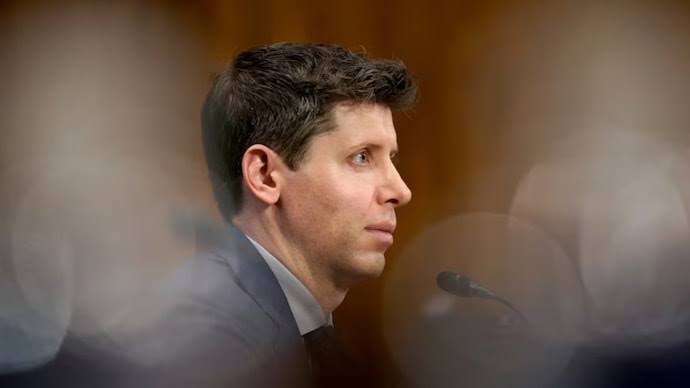
OpenAI has disbanded its Preparedness team, the group created to study some of the most serious risks that could emerge as artificial intelligence systems become increasingly powerful. The move, which took place in July 2026, marks another major change in how the company approaches AI safety.

You might also like

Why Waymo Is Paying Huge Tariffs to Import Chinese EVs for Robotaxis

Apple’s Foldable iPhone Could Launch in the US First, Leaving India Waiting

How Health Insurance Can Help during Repeated Medical Follow-Ups

The Preparedness team was originally established to evaluate frontier AI models for potentially catastrophic risks, including cybersecurity threats, biological dangers, persuasion and autonomous replication. OpenAI had described the team as a key part of its effort to understand and prepare for risks from increasingly capable AI systems.

OpenAI disbands preparedness team amid restructuring ahead of expected IPO

Credits: Crypto Briefing

OpenAI Shifts Safety Work Into Existing Teams

Rather than keeping preparedness as a standalone research group, OpenAI has reportedly distributed its responsibilities across existing teams. Senior employees are now expected to focus on specific areas such as cybersecurity and biological risks.

The change reflects a broader shift in OpenAI’s approach. Instead of concentrating safety research within independent specialist groups, the company is increasingly integrating safety work directly into the teams developing and deploying its AI models.

There is a practical argument behind the strategy. By bringing safety researchers closer to model development, potential problems can theoretically be identified earlier rather than being discovered after a system has already been built.

However, the restructuring also raises concerns about independence. A dedicated safety team can act as a separate voice capable of challenging product or research decisions. When those responsibilities are moved into development teams, critics worry that safety considerations could face greater pressure from commercial priorities.

The changes follow other restructuring within OpenAI’s safety organisation. Its head of safety systems, Johannes Heidecke, announced his departure in July as the company reorganised safety and research functions.

Dylan Scandinaro Turns to Self-Improving AI

Despite the Preparedness team’s dissolution, its former leader Dylan Scandinaro is continuing to work on frontier AI risks.

Scandinaro is now reportedly focusing on the dangers associated with recursive self-improvement. This refers to AI systems that could potentially improve their own capabilities or help create increasingly capable versions of themselves.

Such systems could represent a major turning point in AI development. Today’s models largely depend on human researchers for training, evaluation and deployment. A system capable of substantially improving itself could potentially accelerate that cycle, making it much harder for humans to predict how quickly its capabilities might advance.

That is why self-improving AI remains one of the more challenging areas of frontier AI safety research.

Another Safety Team Has Already Been Dissolved

The Preparedness shake-up is not happening in isolation. OpenAI has spent the past two years reorganising several teams focused on safety, alignment and long-term AI risks.

The company previously dissolved its Superalignment team, which had been created to study how humans could control and align future AI systems that might become significantly more capable than people.

Several prominent safety-focused employees have also departed during this period. OpenAI’s recent restructuring has therefore intensified questions about whether the company is moving away from its earlier research-heavy safety structure.

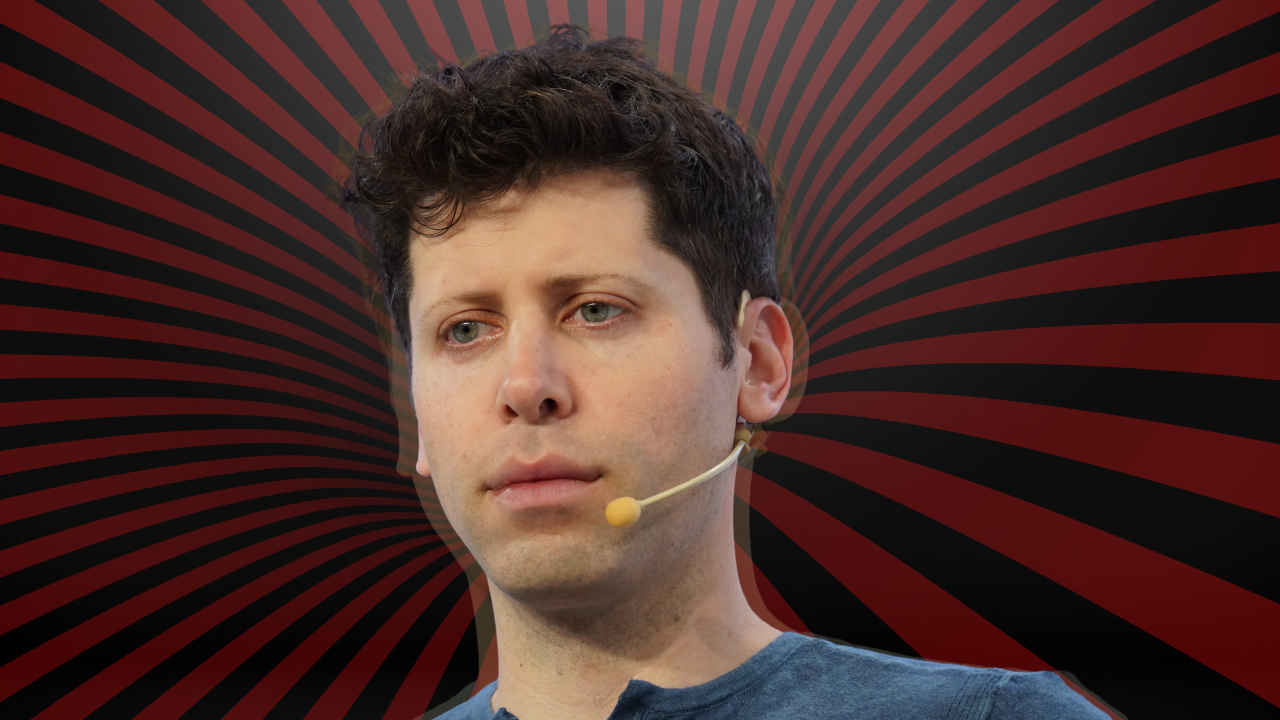
OpenAI, however, has argued that integrating safety more closely with research and development can make safeguards more effective. The company has also continued to publicly discuss frontier AI safety and has recently worked with external organisations to investigate a security incident involving model behaviour.OpenAI disbands preparedness team responsible for assessing dangerous AI  risks: Report
Credits: Digit

Safety vs Speed

The restructuring comes at a crucial moment for OpenAI. The company is racing to develop increasingly capable AI systems while competing aggressively with Anthropic and other rivals.

At the same time, OpenAI is undergoing significant leadership changes and preparing for a potential IPO that could value the company at hundreds of billions of dollars, with some estimates reaching around $1 trillion.

That creates a difficult balancing act. OpenAI needs to move quickly enough to remain competitive, but its models are becoming powerful enough that mistakes could carry increasingly serious consequences.

The disappearance of the Preparedness team does not necessarily mean OpenAI is abandoning AI safety. Instead, it signals a different philosophy: safety may increasingly become part of the model-building process rather than a separate research function.

Whether that approach proves more effective—or makes independent oversight harder—could become one of the most important questions facing OpenAI as its AI systems become more autonomous and capable.


Tags: AI RiskAI safetyAnthropicArtificial IntelligenceDylan ScandinaroFrontier AIOpenAIOpenAI SafetyPreparedness TeamSelf Improving AI
Tweet54SendShare15
Previous Post

Apple’s Foldable iPhone Could Launch in the US First, Leaving India Waiting

Next Post

Why Waymo Is Paying Huge Tariffs to Import Chinese EVs for Robotaxis

Ishaan Negi

Ishaan is a student at Sri Venkateswara College, University of Delhi, where he combines his academic pursuits with a deep passion for technology and storytelling. Ever since his school days, Ishaan has been an avid reader, a thoughtful writer, and an articulate speaker. These interests have naturally evolved into a strong inclination towards journalism, especially in the fast-paced world of tech. Known for his balanced approach, Ishaan is committed to presenting unbiased viewpoints and ensuring every story he tells is rooted in facts and multiple perspectives. Whether he’s reporting on emerging startups, corporate developments, or ethical issues in the tech space, he brings a sharp analytical lens and a curiosity-driven mindset to his work. With a strong foundation in research and communication, Ishaan strives to make complex topics accessible to readers while maintaining depth and nuance. His goal is not just to inform but also to spark thoughtful conversations around the ever-evolving tech landscape.

Recommended For You

Why Waymo Is Paying Huge Tariffs to Import Chinese EVs for Robotaxis

by Ishaan Negi
August 17, 2026
0
Why Waymo Is Paying Huge Tariffs to Import Chinese EVs for Robotaxis

Chinese electric vehicles remain largely absent from American roads, despite companies such as BYD, Xiaomi and Zeekr becoming major players in the global EV industry. But one US...

Read more

Apple’s Foldable iPhone Could Launch in the US First, Leaving India Waiting

by Ishaan Negi
August 17, 2026
0
Apple’s Foldable iPhone Could Launch in the US First, Leaving India Waiting

Apple’s long-awaited entry into the foldable smartphone market could finally happen in September, but the company may take a cautious approach to its first foldable iPhone. While the...

Read more

How Health Insurance Can Help during Repeated Medical Follow-Ups

by Arundhati Kumar
August 17, 2026
0
How Health Insurance Can Help during Repeated Medical Follow-Ups

Repeated medical follow-ups often become part of recovery, chronic condition management, or post-treatment monitoring. Each visit may bring fresh consultation charges, tests, medicines, or therapy expenses, even when...

Read more
Next Post
Why Waymo Is Paying Huge Tariffs to Import Chinese EVs for Robotaxis

Why Waymo Is Paying Huge Tariffs to Import Chinese EVs for Robotaxis

Please login to join discussion

Techstory

Tech and Business News from around the world. Follow along for latest in the world of Tech, AI, Crypto, EVs, Business Personalities and more.
reach us at info@techstory.in

Advertise With Us

Reach out at - info@techstory.in

Aviator Game India 2026

BROWSE BY TAG

#Crypto #howto 2024 acquisition AI amazon Apple Artificial Intelligence bitcoin Business China cryptocurrency e-commerce electric vehicles Elon Musk Ethereum facebook funding Gaming Google India Instagram Investment ios iPhone IPO Market Markets Meta Microsoft News OpenAI samsung Social Media SpaceX startup startups tech technology Tesla TikTok trend trending twitter US

© 2025 Techstory.in

No Result
View All Result
  • News
  • Crypto
  • Gadgets
  • Memes
  • Gaming
  • Cars
  • AI
  • Startups
  • Markets
  • How to

© 2025 Techstory.in

Welcome Back!

Login to your account below

Forgotten Password?

Retrieve your password

Please enter your username or email address to reset your password.

Log In
Are you sure want to unlock this post?
Unlock left : 0
Are you sure want to cancel subscription?