Apple has rolled out iOS 26.3, the latest incremental update for its flagship iPhone operating system, alongside companion releases for iPadOS, macOS, watchOS and other Apple platforms. Unlike major annual upgrades, iOS 26.3 is relatively modest in scope, but it includes several noteworthy additions that signal a shift in Apple’s approach to interoperability and privacy, particularly in ways that benefit users interacting with non-Apple devices and ecosystems. Analysts and testers alike characterize it as a refinement release, focused on practical features, security enhancements, and better cross-platform compatibility.
Easier Switching From iPhone to Android
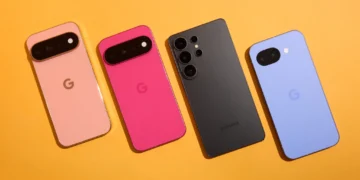
One of the most talked-about additions in iOS 26.3 is a built-in data transfer tool that makes it significantly easier to move from an iPhone to an Android phone. For years, Apple’s ecosystem has been praised for its seamless internal transfer tools but switching out of Apple’s ecosystem was often a cumbersome process. With this update, Apple introduces a drag-and-drop wireless method where an iPhone can initiate a transfer to a nearby Android device simply by placing the two devices close together.
This tool supports transferring a wide range of data types, including photos, messages, notes, passwords, contacts and even apps along with the user’s phone number without the need for separate apps or complex setup steps. Some categories of data, such as health information and Bluetooth pairing details, remain excluded for privacy and security reasons, but the breadth of transferable content represents a major step toward cross-platform flexibility that users have long requested.
Interoperability With Third-Party Wearables
Another headline feature of the iOS 26.3 update is improved support for third-party wearables and accessories, particularly in regions subject to competition and interoperability regulations. In certain areas most notably in the European Union iPhones can now forward notifications to devices such as Android-based smartwatches and other non-Apple wearables.
This change works in a similar conceptual way to how Apple Watch notifications are handled: users choose which app notifications to send to their connected wearable. However, it’s currently limited so that only one device at a time can receive forwarded notifications, and forwarding to a non-Apple device will suspend notifications to an Apple Watch if one is connected.
Closely related, iOS 26.3 also introduces proximity pairing for accessories in select regions. This feature allows third-party headphones, smartwatches and other Bluetooth-enabled devices to pair with an iPhone in an AirPods-style experience meaning a simple bring-close gesture can initiate pairing instead of navigating menus.
Taken together, these changes reflect Apple’s response to regulatory pressures and broader consumer expectations around device flexibility giving users more freedom to integrate their iPhones with a wider ecosystem of third-party hardware.
Enhanced Privacy With “Limit Precise Location”
While interoperability is a major theme of iOS 26.3, Apple also bolsters privacy protections with a new setting aimed at reducing the precision of location data shared with cellular networks. On eligible devices equipped with Apple’s in-house C1 or C1X modems such as the iPhone Air, iPhone 16e, and select iPad models users can now enable a toggle that limits how precisely carriers can determine a device’s location.
Instead of providing exact street-level information, the carrier sees only a general neighborhood-level position when this privacy feature is enabled. Apple clarifies that this does not affect emergency services or apps that legitimately require precise location, but it does give users more control over what location information is exposed to cellular carriers.
Lock Screen Customization and Wallpaper Changes
While many of the most impactful additions in iOS 26.3 focus on cross-platform utility and privacy, Apple did sprinkle in a small visual tweak that enhances personalization. The Weather wallpaper category in the Lock Screen customization options has been separated out into its own dedicated section, offering users a clearer and more accessible way to explore weather-related backgrounds.
Although not a headline feature, this change contributes to Apple’s ongoing efforts to make device personalization more intuitive and visually engaging in daily use.
Security Fixes and Under-the-Hood Improvements
As with most mid-cycle updates, iOS 26.3 also delivers dozens of security patches and bug fixes that address vulnerabilities and enhance system stability. Independent reports have identified more than thirty critical security fixes in this release, covering issues ranging from potential code-execution flaws to core system components that affect apps and core functionalities.
Apple’s security updates are an important reason for users to install the latest version as soon as possible even if the visible feature list seems modest because they close loopholes that could be exploited by malicious apps or attackers targeting vulnerable systems.
Although iOS 26.3 brings useful refinements, it’s widely regarded as a build-up to a more significant upcoming release. iOS 26.4, currently expected to debut in the coming weeks, is anticipated to include Apple’s long-delayed upgraded version of Siri powered by Google’s Gemini language models and may introduce expanded generative AI features tied to Apple Intelligence.
As such, iOS 26.3 sits in the middle of a transition: adding practical tools that improve interoperability and privacy today while laying groundwork for broader AI and assistant enhancements in future versions.
In the big picture, iOS 26.3 represents an important moment in Apple’s software evolution. For years, Apple’s ecosystem was tightly focused on keeping users within its own hardware and services. With this update, the company is offering tools that make it easier to integrate with, or even depart to, other platforms without sacrificing security or user control.
From easier Android migration and third-party wearable support to enhanced privacy settings and essential security fixes, iOS 26.3 is a practical, if understated, step forward for iPhone users. While it may not be as headline-grabbing as major OS versions, its focus on real-world interoperability and privacy could have a broad impact particularly for users who interact with both Apple and non-Apple devices in their daily lives.