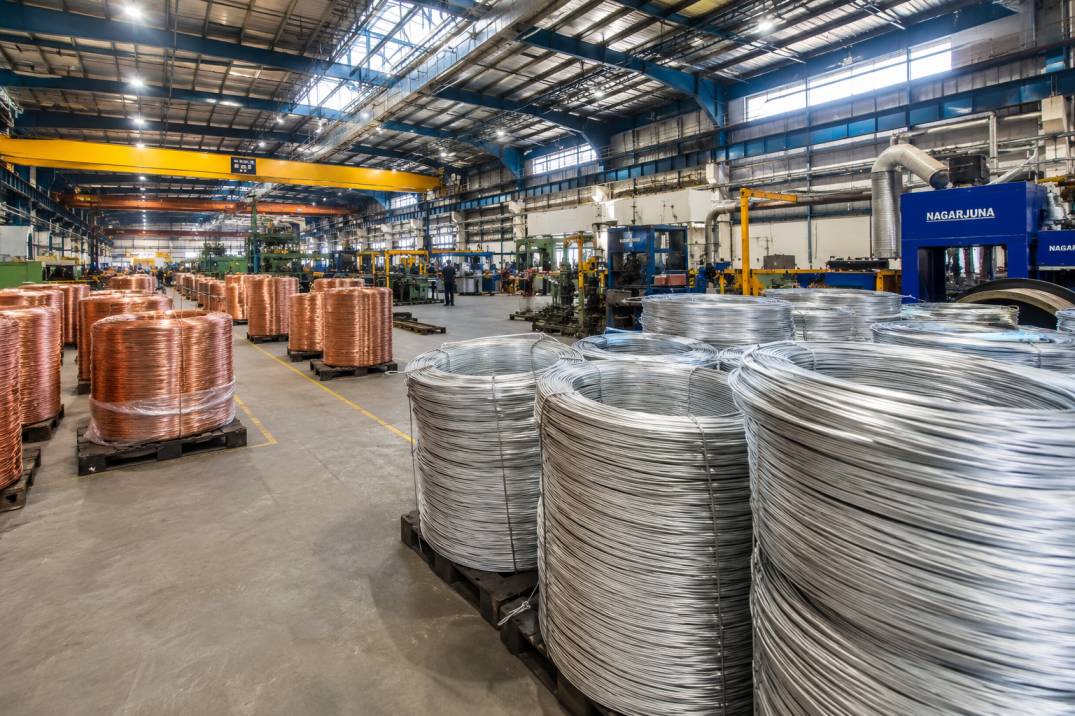
The automotive industry is quietly undergoing one of its biggest material changes in decades. As copper prices continue to climb and supply constraints intensify, leading automakers are increasingly replacing traditional copper wiring with aluminium in electric and hybrid vehicles.
Luxury brands such as Ferrari and BMW are expanding the use of aluminium wiring across their latest models, joining companies like Tesla and several Chinese electric vehicle manufacturers that adopted the technology earlier. The shift signals more than just a cost-saving exercise. It reflects a broader effort to build lighter, more efficient vehicles while preparing for long-term pressure on global copper supplies.
Copper’s Cost Challenge Is Driving Change
Copper has been the preferred material for automotive electrical systems for generations because of its excellent conductivity and durability. However, growing demand from renewable energy projects, artificial intelligence infrastructure, and expanding data centres has significantly increased pressure on global copper supplies.
Industry analysts expect this imbalance between demand and supply to persist for years, pushing manufacturers to explore alternative materials that can deliver similar performance at a lower cost.
Aluminium has emerged as the strongest candidate. It currently costs roughly one-quarter as much as copper while offering significant weight savings, making it particularly attractive for electric vehicles where every kilogram affects battery efficiency and driving range.
Ferrari and BMW Expand Aluminium Use
Ferrari introduced aluminium power cables in its 296 hybrid sports car and has since expanded the technology into additional models, including its newly launched fully electric vehicle. According to the company, switching to aluminium reduces the overall weight of wiring systems by as much as 20 percent.
BMW has been using aluminium conductors for more than a decade, beginning with its compact models before gradually integrating them into hybrid and electric vehicles. The company’s latest eDrive platform now incorporates aluminium extensively across both high-voltage and low-voltage electrical systems.
While aluminium’s lower price offers a financial advantage, both manufacturers emphasize that performance, efficiency and weight reduction remain the primary reasons behind the transition.
Chinese EV Makers Push Adoption Further
China’s electric vehicle sector is accelerating the industry’s move toward aluminium wiring. Manufacturers including XPeng, Xiaomi and AVATR have adopted the material as competition in the domestic EV market continues to squeeze profit margins.
The Chinese government has also encouraged manufacturers to increase aluminium substitution across multiple industries, including automotive, power equipment and household appliances.
Engineering experts believe aluminium has substantial room to replace copper, particularly in battery busbars and electrical distribution systems where copper still dominates today’s vehicles.
Industry-Wide Shift Expected to Continue
Consultants and investment analysts expect aluminium adoption to grow steadily over the remainder of the decade. Estimates suggest that around two percent of global copper demand could be replaced by aluminium this year, with that figure potentially reaching six percent by 2030 if copper prices remain elevated.
The transition is not without challenges. Aluminium requires greater volume than copper to carry the same electrical current and its production is more energy intensive. Manufacturers must also redesign certain components to accommodate its different physical properties.
Despite these engineering considerations, the combination of lower material costs, lighter vehicle weight and long-term supply security is making aluminium an increasingly attractive choice for automakers worldwide.
As electric vehicle production expands and pressure on critical raw materials continues to grow, aluminium wiring is rapidly moving from an alternative solution to a mainstream automotive technology. The shift highlights how material innovation is becoming just as important as battery development in shaping the next generation of mobility.