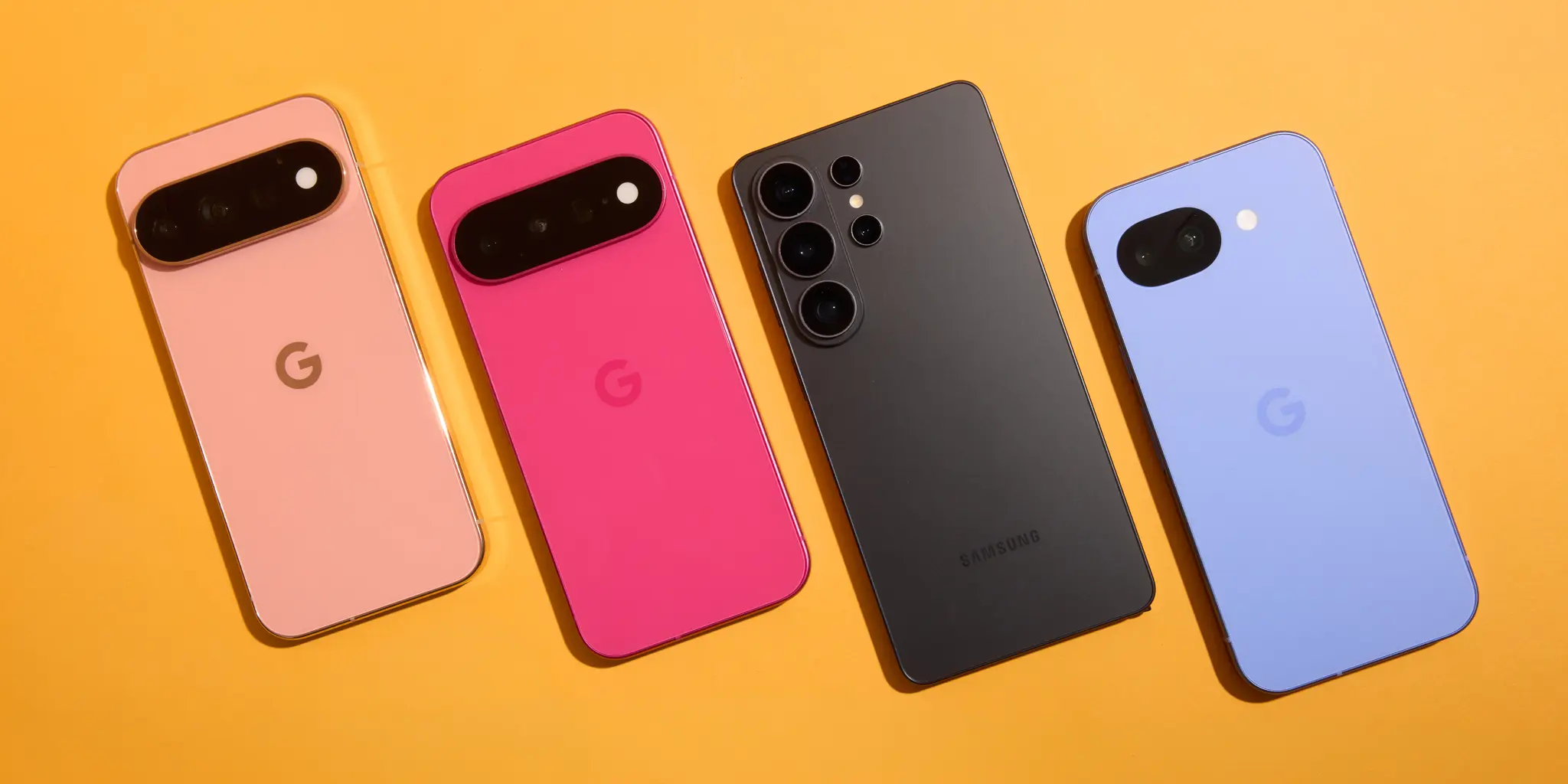
Choosing a new smartphone in 2026 is no longer just about finding the fastest processor or the sharpest camera. With manufacturers focusing on artificial intelligence, improved battery life, advanced photography and more versatile displays, buyers have a wider range of options across different price segments.
The best phone ultimately depends on individual priorities. While some users want reliable cameras and long software support, others may prefer powerful gaming performance, productivity features or a battery that comfortably lasts through a busy day.
Apple iPhone 17: A strong choice for most iPhone users
The Apple iPhone 17 is a compelling option for buyers who want a premium smartphone without paying the higher prices associated with Apple’s Pro models. It brings meaningful improvements to the standard iPhone experience, making it suitable for everyday photography, entertainment, communication and productivity.
One of its major upgrades is the display, which supports an adaptive refresh rate of up to 120Hz for smoother scrolling and animations. Improved camera capabilities and longer battery life also make it a versatile option for daily use.
The iPhone 17 benefits from Apple’s integrated hardware and software ecosystem, particularly for users who already own a Mac, iPad or Apple Watch. Its straightforward interface and long-term software support add to its appeal.
However, buyers looking for advanced manual camera controls, dedicated telephoto photography or the highest possible performance may find the Pro models more suitable.

Samsung Galaxy S26 Ultra: Best for premium Android features
For users seeking a feature-packed Android flagship, the Samsung Galaxy S26 Ultra offers a combination of powerful hardware, versatile cameras and productivity-focused features.
Its large display is designed for everything from streaming and gaming to reading documents and editing content. Samsung’s S Pen support also makes the device useful for handwritten notes, sketches and other tasks that benefit from precise input.
Photography remains a key attraction, with a versatile camera system designed to handle different shooting conditions. The phone also incorporates artificial intelligence features intended to simplify everyday activities, including communication, image editing and information management.
Another notable feature is its Privacy Display technology, which helps restrict the visibility of on-screen content from certain viewing angles. This can be useful for people who regularly access sensitive information in public spaces.
The main drawback is its premium price. Its large dimensions may also make it less comfortable for users who prefer compact smartphones.
iPhone 18 Pro and Pro Max: Best for mobile photography
Apple’s iPhone 18 Pro and iPhone 18 Pro Max are options for buyers who prioritise advanced photography, video recording and premium construction.
Their camera systems include variable-aperture capabilities and manual controls, giving users greater flexibility when capturing images. Focus Tracking is designed to help keep moving subjects sharp, making the phones particularly appealing to people who photograph children, pets, sports and other fast-moving scenes.
The devices also offer fast charging and durable construction. The larger Pro Max model is especially suited to users who prefer an expansive display for editing videos, reviewing photographs and consuming content.
However, these advantages come at a substantial cost. The Pro Max is also relatively heavy, which could make extended one-handed use uncomfortable.
For buyers who regularly create social media content or want greater control over their smartphone photography, the Pro lineup offers features that go beyond the everyday needs of a standard smartphone.
Samsung Galaxy S26: Best Android phone for everyday use
The Samsung Galaxy S26 is worth considering for buyers who want flagship-level features in a more manageable form than the Ultra model.
Its modern design, capable cameras and software-based AI tools make it suitable for users who switch frequently between messaging, photography, navigation, entertainment and work applications.
The phone offers a polished Android experience, with Samsung’s software providing additional customisation and integration across compatible Galaxy devices.
However, its upgrades over the previous generation are relatively focused on software rather than a complete hardware overhaul. Its wired charging speeds are also more modest than those available on some competing premium smartphones.
For users who do not need the Ultra model’s additional camera and productivity features, the standard Galaxy S26 offers a more straightforward flagship experience.

Credits: WIRED
Samsung Galaxy Z Fold 8: Best foldable phone for productivity
Foldable smartphones are increasingly attractive to people who want a larger working area without carrying a tablet. The Samsung Galaxy Z Fold 8 takes this concept further with a design intended to balance portability and an expansive inner display.
When unfolded, the phone provides more room for multitasking, reading, gaming and watching videos. Users can work across multiple applications, review documents and take advantage of the larger screen for tasks that feel restrictive on conventional smartphones.
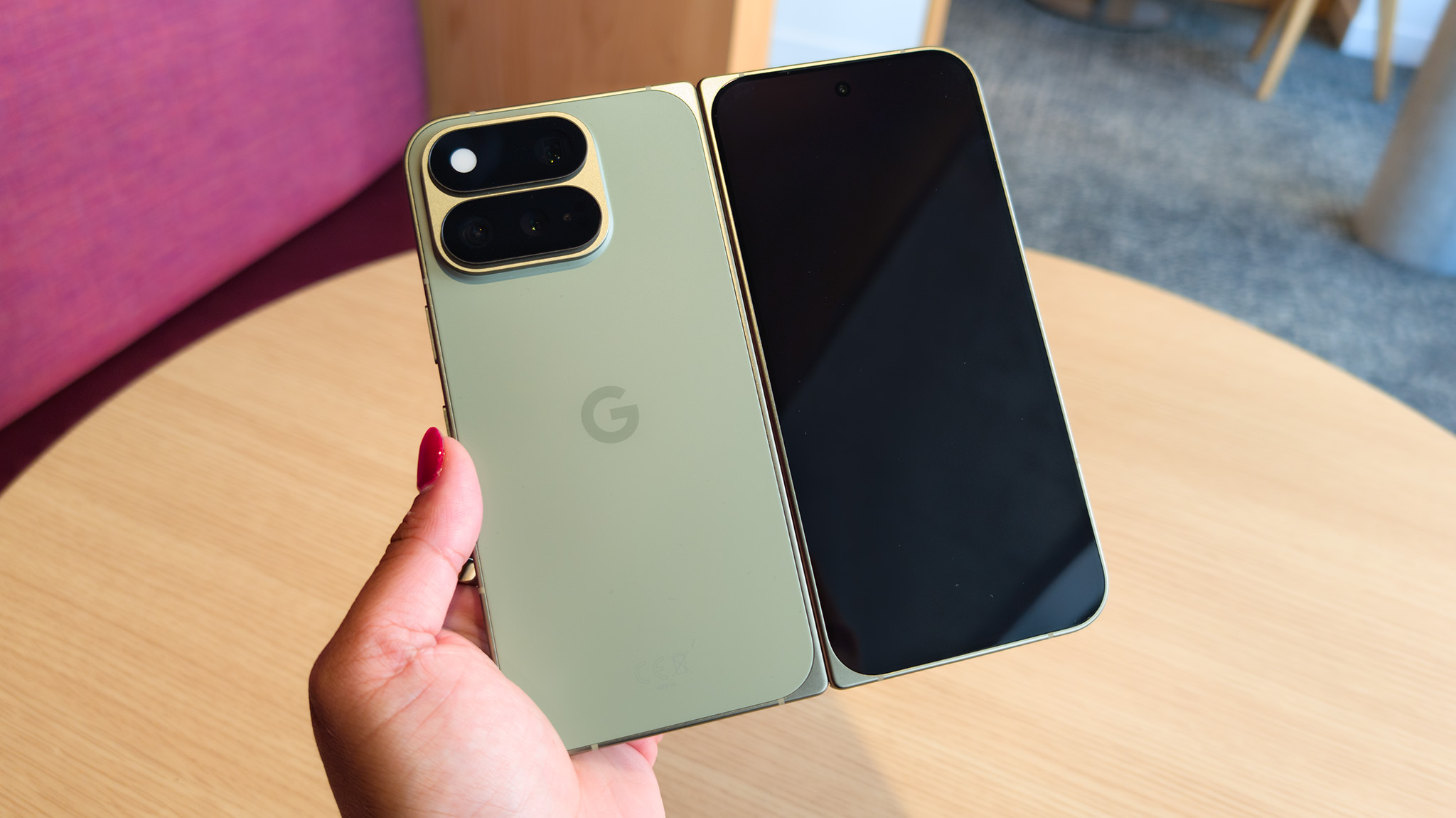
Google Pixel 11 Pro Fold: A durable foldable alternative
The Google Pixel 11 Pro Fold offers another option for buyers interested in foldable smartphones, particularly those who value Google’s software experience and AI-powered features.
Its thinner construction and refined display design make it more convenient to carry than bulkier foldables. Google’s software also places emphasis on intelligent assistance, photography tools and features that simplify everyday smartphone interactions.
Credits: Android Central
Samsung Galaxy Z Flip 8: Best compact foldable phone
For users who prefer smaller devices, the Samsung Galaxy Z Flip 8 offers a different take on foldable technology.
Its clamshell design allows the phone to fold into a compact form, making it easier to carry in pockets and smaller bags. The external display supports quick interactions without requiring users to open the phone for every task.
When unfolded, it provides a conventional smartphone-sized screen for browsing, messaging, photography and entertainment. Its software also supports features designed around the folding form factor.
Which phone should you buy in 2026?
The best smartphone to buy in 2026 depends on how you intend to use it. The iPhone 17 is a strong all-round choice for users who prefer Apple’s ecosystem, while the Samsung Galaxy S26 Ultra caters to those seeking advanced Android features and productivity tools.
Before making a purchase, consider battery life, camera quality, software support, display size and the total cost. Comparing these factors against your everyday needs can help you find a phone that remains useful well beyond its first few months of ownership.