
The consumer financial technology ecosystem has undergone a massive shift from late-stage venture hype to strict public market readiness. Standing at the absolute top of the American digital banking sector is Chime Financial, Inc., the San Francisco-based neobank that redefined everyday banking for millions of Americans. By looking closely at the core metrics defining Chime revenue and valuation data, it becomes clear that the digital financial platform has transformed its early fee-free checking accounts into a highly scalable, multi-billion dollar transaction business.
This financial evolution has turned Chime into one of the most highly anticipated initial public offerings (IPOs) on Wall Street. By pairing interchange optimization with sticky consumer deposits and high-margin credit lines, Chime has maintained double-digit growth even as macro trends squeezed tech funding. As the company preps its books for a public listing, its revenue engine offers a masterclass in building self-sustaining consumer fintech.
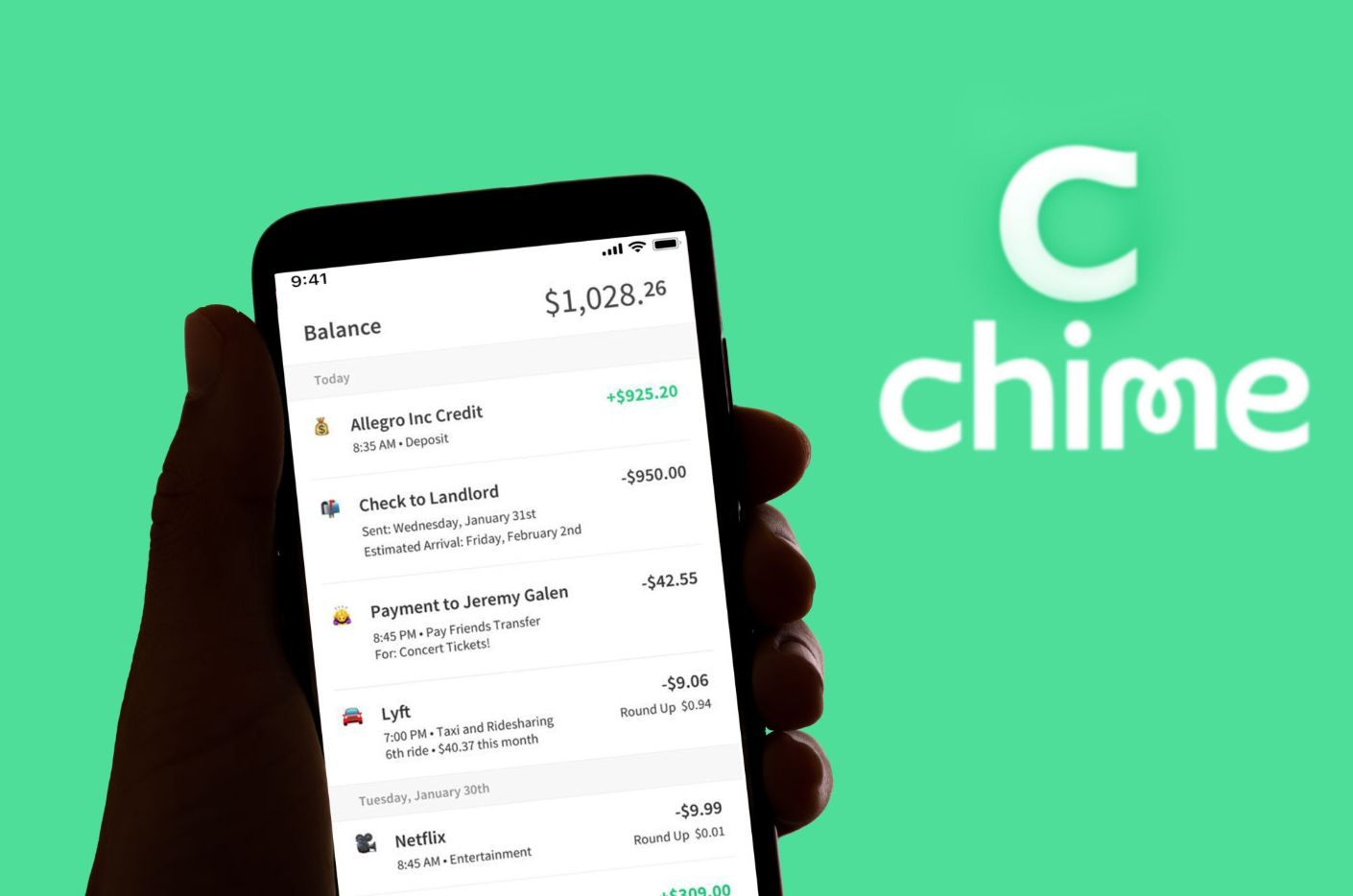
The Core Mechanics: The Chime Monetization Engine
To understand the scale of Chime revenue and valuation structures, one must first look at how the platform makes money without charging traditional monthly maintenance or overdraft fees. Chime is not a chartered bank; instead, it operates as a digital front-door interface in partnership with traditional banking entities like The Bancorp Bank and Stride Bank, N.A. This corporate setup allows Chime to skip heavy banking compliance costs while scaling three core revenue streams.
1. Debit Card Interchange Fee Optimization
Every time a user swipes a green Chime Visa debit card or uses it online, the merchant pays an interchange fee. While traditional mega-banks (like JPMorgan Chase or Bank of America) face strict interchange fee caps under the federal Durbin Amendment, Chime’s partner banks fall well under the $10 billion asset threshold. This regulatory exception allows Chime to collect an optimized interchange cut averaging 1.5% to 2.0% per transactionnearly triple what larger institutions take home.
2. High-Margin Credit Builder Volumes
Launched to help users build credit safely, the Chime Credit Builder Visa Card has turned into a major profit engine. It acts like a secured card but functions with the ease of a checking account, allowing users to move money into a secure folder to pay off monthly balances. This structure generates higher credit interchange fee tiers for Chime compared to basic debit cards, while driving incredible consumer loyalty.
3. SpotMe Micro-Advance Multipliers
Chime completely disrupted the banking sector by replacing $35 overdraft traps with its free “SpotMe” feature, which lets eligible users overdraw accounts up to $200 on debit transactions without penalties. Rather than charging interest, Chime opens an optional tip window at checkout. While completely voluntary, the immense volume of small tips across millions of active daily transactions generates a steady, highly predictable cash layer.
Chime Revenue Growth Trajectory: Breaking Down the Numbers
Driven by its high-velocity transaction loops, Chime’s annual top-line revenue has experienced substantial growth over the past several years. Independent market estimates and tech research platforms indicate that Chime’s gross annualized revenue run rate has surpassed the multi-billion-dollar milestone.This steady upward trend is particularly impressive because it was achieved while cutting marketing spending. During the initial growth boom of 2020 and 2021, Chime spent heavily on sports sponsorships and digital customer acquisition channels. Over the past 24 months, however, the management team shifted focus toward maximizing the Lifetime Value (LTV) of its existing user footprint, steering the business into sustainable, cash-flow-positive territory.
Evaluating the Valuation Landscape: Peak Hype vs. Reality
The story of Chime’s valuation highlights the broader shifts that have reshaped the venture capital landscape over the past five years. During the peak of the tech financing boom in August 2021, Chime raised a massive $750 million Series G funding round led by Sequoia Capital Global Equities, Tiger Global, and SoftBank Vision Fund 2. This capital injection pushed Chime’s private valuation to a staggering $25 billion, making it the most valuable consumer fintech startup in the United States at the time.
However, as federal interest rates climbed and public markets re-evaluated pre-profit tech multiples, late-stage startup valuations faced a significant correction. Consumer-facing fintech platforms saw their multiples drop from 30x revenues down to single-digit baselines.
Fintech Valuation and Public Multiple Benchmarks
| Core Financial & Valuation Metrics | Peak Tech Bubble (2021) | Current Pre-IPO Market Realities |
| Chime Private Valuation Baseline | $25.0 Billion Peak | ~$10.0 Billion to $12.0 Billion |
| Implied Revenue Multiple Layer | Over 35x Trailing Revenue | ~4.5x to 5.5x Forward Revenue |
| Active Enrolled Customer Base | ~13.0 Million Users | Over 22.0 Million Account Profiles |
| Estimated Average Unit Volume (AUV) | ~$46 per user annually | Over $105 per primary payroll user |
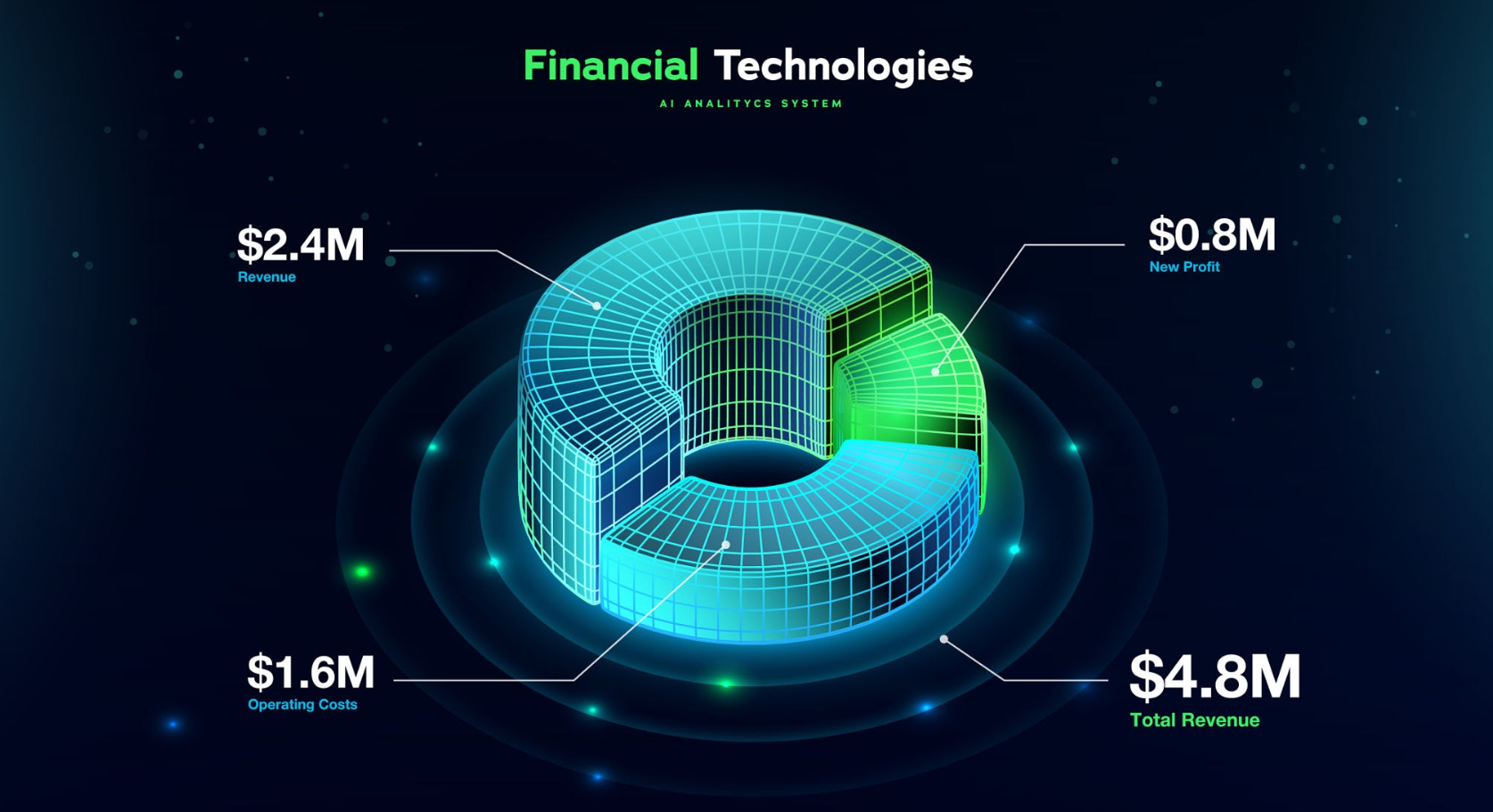
As the comparative table shows, while Chime’s top-line revenue and overall active user counts have grown significantly, its implied valuation has normalized in the secondary markets. Mutual fund filings from major institutional investors like Alger and Crosslink show that Chime’s internal share pricing implies a current market valuation between $10 billion and $12 billion. Rather than signaling institutional weakness, this price adjustment matches the valuations of public banking tech peers like SoFi, Block, and PayPal, giving Chime a much safer and highly attractive entry window for its public listing.
Strategic Adaptations: The Roadmap to the Public Markets
Chime’s long-term IPO strategy faces unique macroeconomic trends. While the firm initially planned to launch its public offering in late 2024 or early 2025, external market factorsincluding sweeping new U.S. trade tariff packagestriggered a temporary pause across the technology sector. High-profile international startups like Klarna, StubHub, and eToro all delayed their listings as tariff uncertainty roiled public indexes. Chime wisely followed suit, using the extra time to further strengthen its balance sheet and insulate its business model from changing regulatory landscapes. To enhance its narrative for public investors, Chime is building out secondary services designed to capture a larger share of its customers’ financial lives. The platform is expanding into interest-bearing wealth management accounts, peer-to-peer payment networks, and automated fractional stock investing tools. By morphing from a basic checking account alternative into a comprehensive financial ecosystem, Chime aims to increase its average revenue per user while proving to Wall Street that its business model can thrive across any economic cycle.
Key Challenges Facing Chime’s Future Profitability
While Chime remains the undisputed leader in the U.S. neobanking space, its long-term financial performance must successfully navigate several regulatory and competitive hurdles:
- Regulatory Risks to Interchange Rates: Progressive regulatory groups continue to push for caps on debit and credit card transaction fees. Any broad federal rule that limits interchange margins for smaller partner banks would directly impact Chime’s core revenue generation model.
- The Fight for Primary Payroll Deposits: Chime’s profitability depends entirely on users routing their primary paychecks directly onto the platform. Competing head-to-head against legacy giants like Chase, as well as aggressive digital apps like Cash App and SoFi, requires continuous innovation to avoid user churn.
- Credit Loss Management: As Chime expands its product portfolio into larger consumer loan options and overdraft advances, managing credit default rates among lower-and-middle-income users will be critical to protecting its bottom-line EBITDA margins.
Ultimately, Chime has successfully proven that a digital-first financial platform can build a multi-billion dollar business by serving the needs of everyday consumers. By building a high-volume revenue engine around regulatory sweet spots and voluntary user tips, the platform has successfully weathered the tech downturn. As public markets open up, Chime’s journey from a disruptive fintech upstart to a highly profitable public enterprise stands as a defining case study for the future of digital banking.