China is tightening scrutiny of initial public offerings (IPOs) by humanoid robotics companies following the highly volatile market debut of Unitree Robotics, in a move that could slow the flow of robotics startups to the country’s stock exchanges.
Chinese regulators have informally raised the bar for humanoid robotics companies seeking to go public, according to a report by The Information. The move comes as investor enthusiasm for artificial intelligence and robotics has pushed valuations across the sector sharply higher, raising concerns that some companies could be entering public markets before their businesses are commercially mature.
The reported regulatory shift is aimed at ensuring that companies seeking IPO approval can demonstrate stronger financial and technological foundations. Companies may now be expected to show recurring revenue, progress toward reducing losses or meaningful technological innovation before receiving approval to list.

The development marks a significant change for one of China’s most closely watched emerging technology sectors. Humanoid robotics has become a national priority, with Chinese companies benefiting from strong manufacturing capabilities, government support and growing investment from venture capital firms.
However, the sector is still relatively young. Many companies remain focused on research, product development and pilot deployments rather than large-scale commercial operations.
Unitree’s dramatic stock market debut
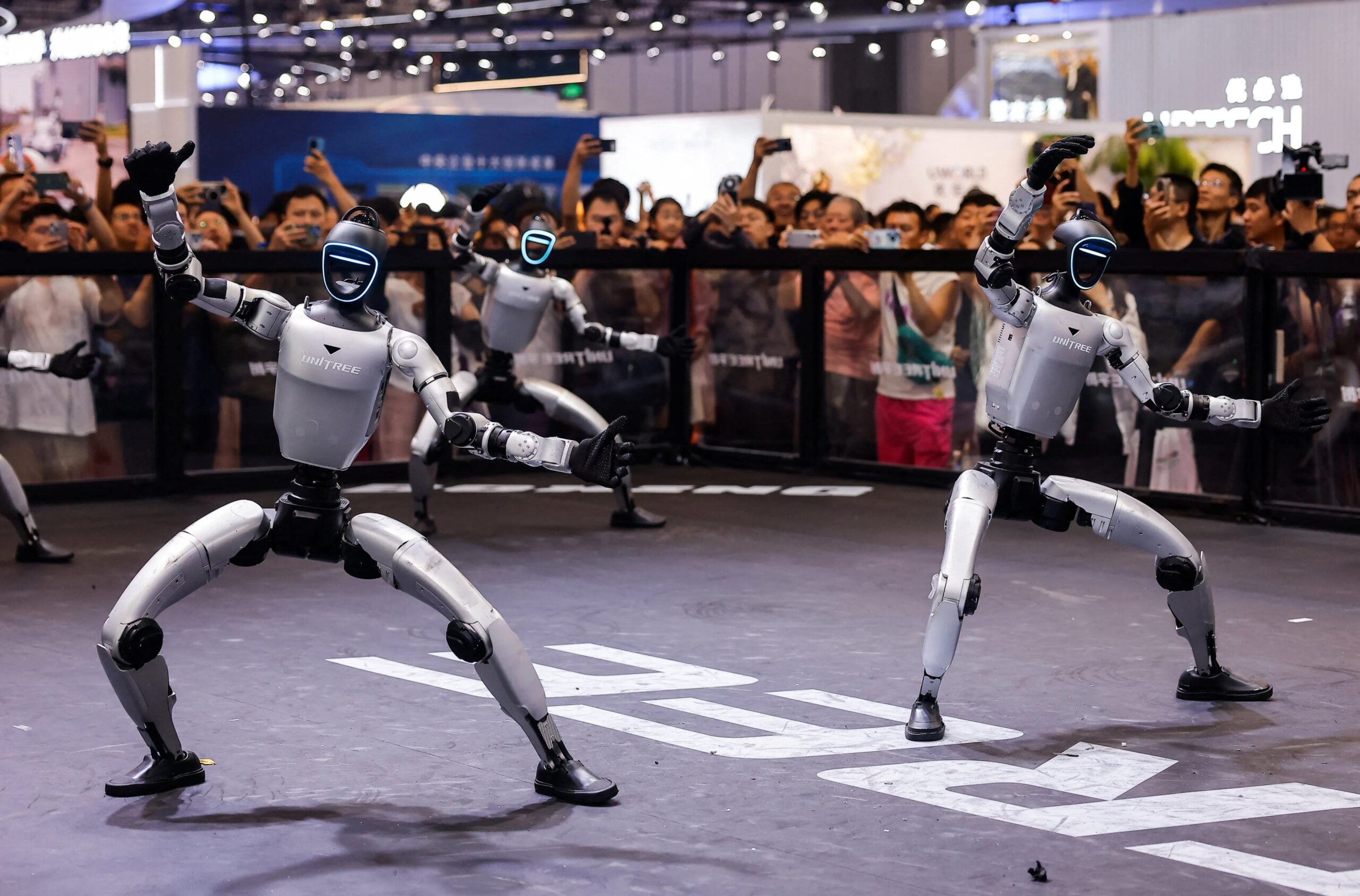
Unitree Robotics became a major test of investor appetite for humanoid robotics when it made its debut on the Shanghai Stock Exchange.
The company’s shares surged dramatically on their first trading day, rising more than fivefold at one point. The explosive rally reflected intense investor enthusiasm for humanoid robots and the broader belief that the technology could become a major industrial market.
But the gains did not last.
Unitree’s stock subsequently fell sharply from its peak, dropping by roughly 45% after its initial surge. The dramatic reversal highlighted concerns that investors may have pushed the company’s valuation far beyond what its current commercial performance could justify.
The volatility appears to have become an important warning sign for Chinese regulators.
Rather than allowing a wave of robotics companies to follow Unitree onto the stock market, authorities are reportedly seeking greater evidence that prospective listings have sustainable businesses behind their technology.
Regulators focus on revenue and innovation
The reported guidance from the China Securities Regulatory Commission, or CSRC, is informal rather than a new publicly announced set of rules.
Still, the message could have significant consequences for companies preparing to list.
Startups with limited revenue, continuing losses or technology that has yet to demonstrate commercial value could face additional scrutiny. Companies may need to show that customers are paying for their products, that revenue can be sustained and that their technology offers a meaningful advantage over competitors.
The emphasis on recurring revenue is particularly important for humanoid robotics companies.
Many startups have attracted large investments based on demonstrations of robots walking, running, dancing, manipulating objects or performing basic industrial tasks. But translating these demonstrations into profitable businesses remains difficult.
Humanoid robots are expensive to develop and manufacture, while their applications are still being tested across factories, warehouses, logistics operations, healthcare and other environments.
Regulators therefore appear to be pushing companies to demonstrate that technological potential can translate into measurable commercial results.
China’s robotics ambitions remain intact
The tighter IPO scrutiny does not necessarily signal that China is backing away from humanoid robotics.
On the contrary, the country has made robotics and artificial intelligence important components of its broader industrial strategy.
China has developed a large domestic robotics supply chain and has rapidly expanded its production of humanoid machines. Companies are competing to develop robots capable of working alongside humans in factories, carrying out repetitive tasks and eventually performing more complex physical work.
The country also has a significant advantage in manufacturing scale, allowing robotics companies to experiment with components, motors, batteries and other hardware at relatively large volumes.
That makes access to capital particularly important.
However, regulators now appear to be drawing a distinction between supporting the robotics industry and allowing speculative investment to drive valuations.
The Unitree episode demonstrated how quickly enthusiasm around humanoid robots can spill into public markets. A massive first-day rally can attract retail investors, but a subsequent collapse can leave those investors exposed to substantial losses.
Other robotics IPOs face greater uncertainty
The new approach could affect several other Chinese robotics companies preparing to enter public markets.
Galaxea AI, a startup developing humanoid robots and AI software, is among the companies facing increased regulatory uncertainty around its planned listing in Hong Kong. Regulators have reportedly raised questions about its financial position and technological development.
Such scrutiny could make it more difficult for young robotics companies to follow the path taken by Unitree.
Companies may instead have to remain private for longer, raising additional rounds of funding while they build commercial operations and demonstrate stronger financial performance.
For venture investors, that could also change the way robotics startups are valued. Instead of relying primarily on technological demonstrations and future market potential, investors may increasingly demand evidence of customer adoption, revenue growth and a credible route to profitability.
A reality check for the humanoid robot boom
The development comes at a time when humanoid robotics is attracting unprecedented attention in China and internationally.
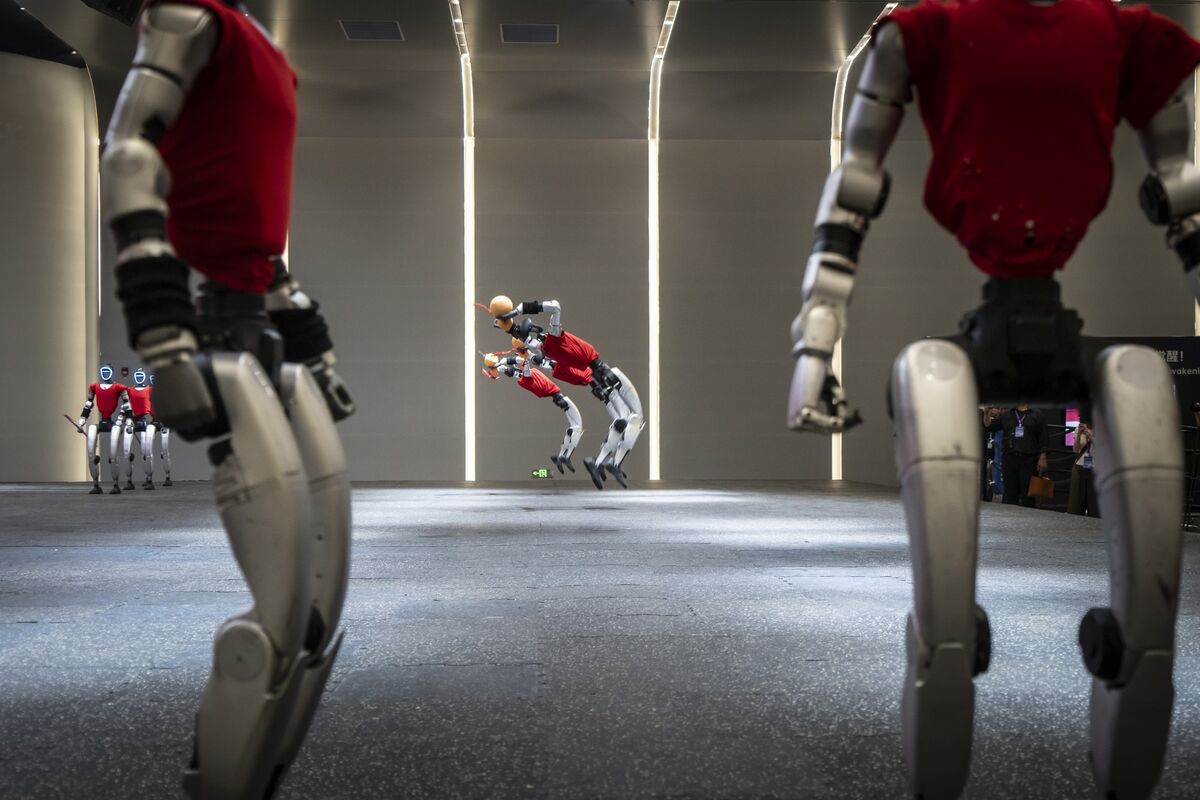
Robots are increasingly capable of performing complex physical movements, and companies are positioning them as potential solutions to labour shortages, ageing populations and industrial automation.
But the technology remains far from mature.
Humanoid robots still face challenges involving battery life, reliability, dexterity, artificial intelligence and the ability to operate safely in unpredictable real-world environments. A robot performing a carefully controlled demonstration is very different from one capable of working reliably for hours inside a busy factory.
That gap between technological demonstration and commercial deployment is becoming increasingly important for investors.
Unitree’s volatile debut has therefore served as more than a stock-market event. It has highlighted the risks of applying extremely high expectations to an industry that is still developing its business models.
China’s regulators appear determined to prevent the excitement surrounding humanoid robotics from turning into another speculative investment cycle.
For robotics companies, the message is becoming clearer: technological ambition alone may no longer be enough to secure a public listing. Companies will increasingly need to prove that their robots can generate sustainable revenue, reduce losses and deliver genuine technological advances.
The tighter IPO scrutiny could slow the sector’s public-market expansion in the near term. But it may also force China’s humanoid robotics industry to mature faster, shifting the focus from spectacular demonstrations and soaring valuations toward customers, revenue and real-world results.