China is intervening to try to control what it sees as perhaps excessive competition in the country’s new field of artificial intelligence. The warning is sounded at a time when Chinese technology companies are spending billions of dollars developing the technology in a bid to catch up with American rivals like OpenAI and Google.
Zhang Kailin, a senior official of China’s National Development and Reform Commission (NDRC), sounded a loud warning in a press conference on Friday that Beijing is not tolerant of “disorderly competition” or companies blindly rushing into the same business of AI one after another. The threat is essentially this: innovate wisely, not by blindly investing money.
This cautious approach reflects broader concerns among Chinese policymakers about repeating past mistakes. The country has seen this playbook before in industries like electric vehicles and solar panels, where massive government subsidies and corporate investment led to severe overcapacity. It resulted with too many companies making similar products, driving prices down and creating deflationary pressures that hurt the entire economy.
The timing is especially noteworthy considering the fierce rate at which Chinese firms have been swelling their AI business this year. High-profile players such as Alibaba, Baidu, ByteDance, and up-and-comer DeepSeek all rolled out new AI models and services and paid for them overwhelmingly from their own deep pockets.
The Tech Sector of China Faces a Balancing Act Between Innovation and Regulation
ByteDance, the company behind TikTok, has been especially active in the AI space. Alibaba has integrated AI capabilities across its massive e-commerce and cloud computing empire. Baidu, often called “China’s Google,” has positioned itself as a leader in conversational AI. Meanwhile, DeepSeek has emerged as a formidable competitor, developing advanced language models that rival Western alternatives.
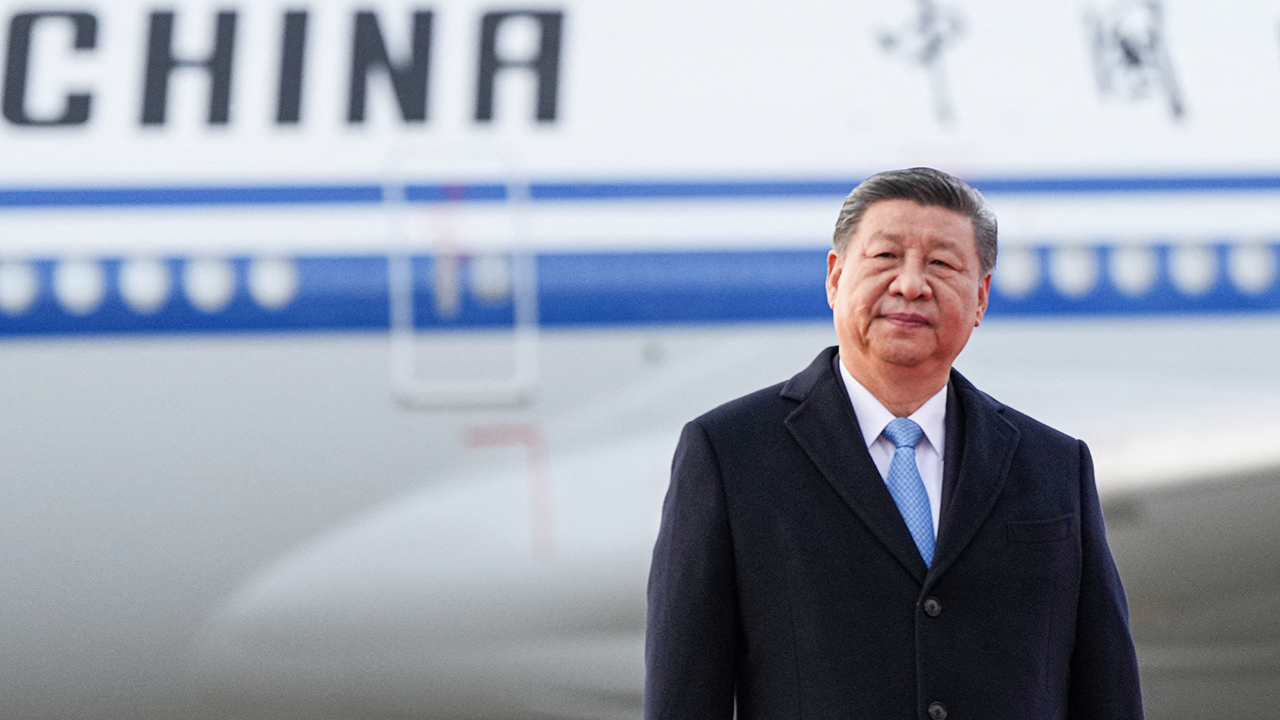
The NDRC’s intervention isn’t happening in isolation. President Xi Jinping himself raised similar concerns last month, warning against excessive AI investment by local governments. This top-down message suggests that Chinese leadership is genuinely worried about creating another bubble industry.
The government strategy seems to be balancing encouraging innovation and avoiding waste. China has laid out a venture capital fund and an action plan that is dedicated entirely to encouraging the growth of AI, but officials evidently do not desire that growth to be uncontrolled and indiscriminate.
This guarded approach goes well beyond AI. Last month, China’s market watchdog instructed big food ordering firms like Meituan, Alibaba’s Ele.me, and JD Takeaway to rein in their frenetic investment in promotions and discounts. The trend implies that Beijing is growing more and more worried that firms are resorting to ruinous price wars that do long-term harm to industry profit margins.
Against this kind of regulatory headwind and nagging trade tensions with the United States, the Chinese companies have proven remarkably resilient. Figures don’t lie: big Chinese stock funds that track companies listed in the United States are up more than 30% so far this year and trounced the S&P 500’s 10.6% gain.
AI, Innovation, and Chinese Tech’s Balancing Act
The solid showing indicates that investors continue to believe Chinese tech firms will be able to overcome both domestic regulatory challenges and foreign competition. Firms such as Alibaba and Baidu proved capable of flexibility and adapted strategies in line with government agendas while remaining committed to spending on growth sectors.
The big question in the future is whether China can channel investment in AI into really new and innovative areas and not me-too projects. The country has vast strengths in building AI in terms of sheer amounts of data, government support of R&D activity, and a talent pool of engineering experience to tap into.
It is easy to get the balance between competition and coordination wrong, however. Too much government control could smother the very kind of creative risk-taking that produces paradigm-shifting innovations. Too little control could lead to the kind of inefficient duplication Beijing is anxious to prevent.
In the meantime, Chinese tech firms will have to demonstrate that they are capable of innovating at a reasonable pace without crossing the threshold of acceptable competition that regulators deem healthy. The risks are great for the companies and the nation’s hopes of becoming a world superpower in the field of AI.