Smart TV owners are increasingly exploring ways to remove advertisements and limit tracking on their televisions, with developers using artificial intelligence to build tools that make the process easier. As manufacturers expand advertising across home screens, streaming interfaces and content recommendations, independent programmers are working on solutions that give users greater control over their viewing experience.
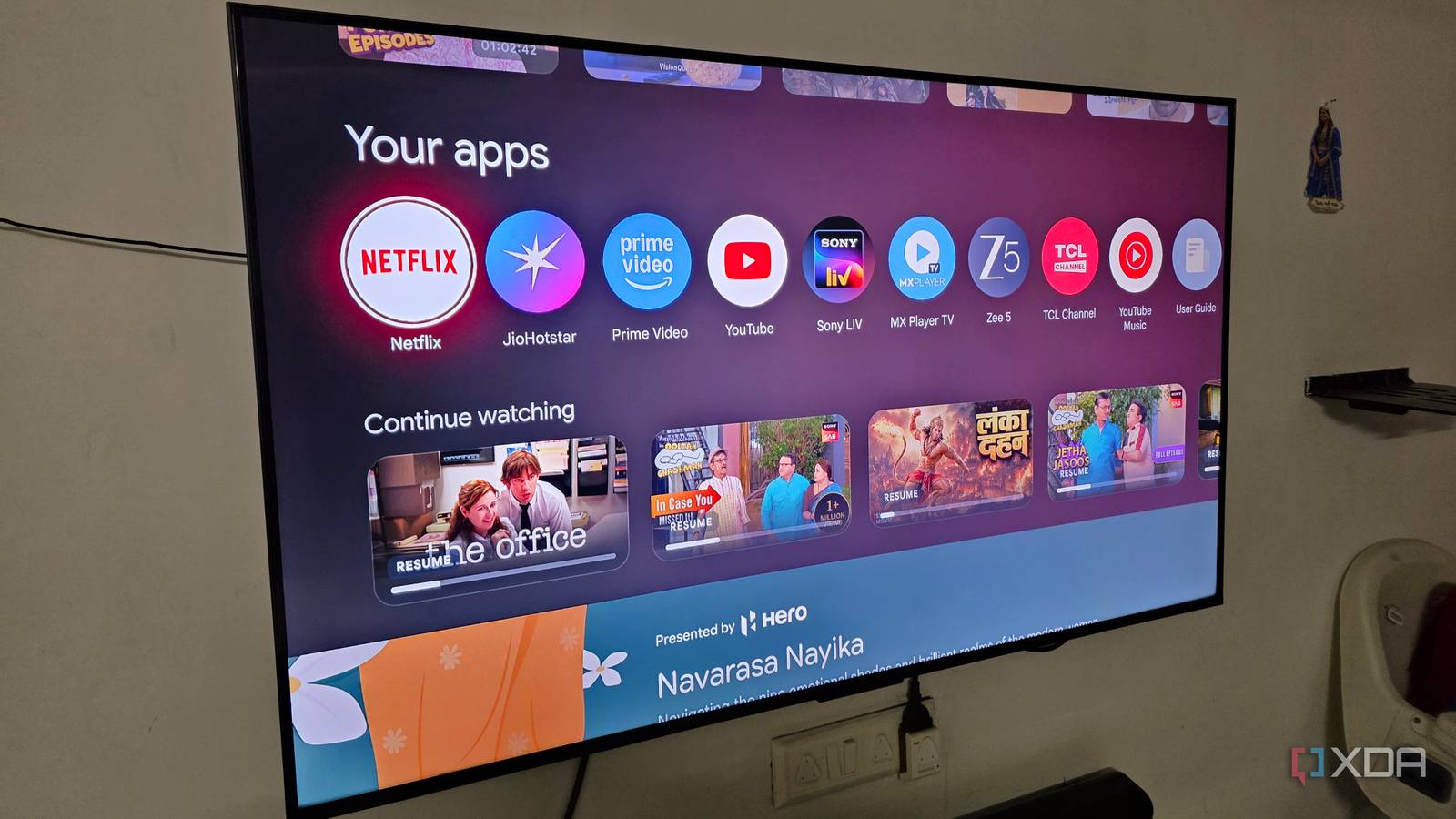
The trend reflects growing frustration among consumers who have purchased smart televisions only to find that advertisements have become a regular part of using their devices. Unlike traditional televisions, modern smart TVs connect to the internet, collect usage data and offer personalized recommendations. These capabilities provide convenience but also create opportunities for manufacturers and advertising partners to generate revenue from user activity.
AI-assisted development is helping programmers investigate how these systems operate and build methods to restrict unwanted advertising and tracking. However, the effectiveness of these approaches varies depending on the television’s operating system, the applications installed and the techniques used to deliver advertisements.
AI Makes Ad-Blocking Development Easier
Developing software to block advertisements on smart TVs has traditionally required knowledge of networking, operating systems, software development and internet protocols. AI coding assistants are lowering some of these technical barriers by helping developers analyze code, troubleshoot errors and create configurations designed to filter unwanted network requests.
Programmers can use AI tools to examine network logs, identify connections to known advertising domains and develop rules that prevent certain requests from reaching their destinations. These tools can also help explain unfamiliar technical documentation and automate repetitive development tasks.
One approach involves blocking advertisements at the network level rather than modifying the television’s internal software. DNS filtering, firewall rules and network-wide blocking systems can restrict communication with known advertising and tracking servers. When configured correctly, these methods can affect multiple connected devices without requiring separate software installations on each television.

However, network filtering cannot eliminate every advertisement. Some services deliver advertisements through the same infrastructure used for legitimate video content, making it difficult to block promotional material without disrupting playback. Manufacturers can also change their advertising systems, requiring developers to update their filtering methods.
Why Smart TV Advertising Is Becoming Controversial
Advertising has become an important component of the connected television business. Manufacturers can earn revenue through sponsored recommendations, promotional content, advertising placements and partnerships with streaming services.
For consumers, this creates a potential conflict between owning a device and having complete control over how it is used. Advertisements may appear on television home screens, within content recommendations and across certain applications, even when users primarily want to access their preferred streaming services.
Privacy concerns add another dimension to the issue. Smart TVs may collect information about viewing habits, application usage and interactions with device features. Some models also employ automated content recognition technology, which can identify content displayed on the screen and support analytics or advertising activities, depending on the implementation and privacy settings.
Although manufacturers often provide controls for personalized advertising and data collection, these options differ between brands and operating systems. Users may also find it difficult to understand which settings disable targeted advertisements and which affect broader data collection.
Consequently, some developers are attempting to provide alternatives that operate beyond the television’s standard privacy settings.
Network-Level Filtering Offers an Alternative
Network-level filtering is one of the more accessible approaches for consumers who want to reduce advertising on connected televisions. Instead of changing the television’s firmware, users configure their home network to block connections associated with known advertising or tracking services.
This can reduce certain advertisements and prevent some data requests from reaching external servers. It may also provide benefits across other devices connected to the same network.
AI tools can help developers maintain filtering lists, identify configuration errors and explain why particular requests are being blocked. They can also assist users in understanding technical instructions that might otherwise require considerable networking experience.
Nevertheless, these methods have limitations. Blocking a domain may interfere with legitimate television functions, including application updates, content recommendations or streaming services. Furthermore, advertisements embedded directly into video streams may remain unaffected.
The distinction between advertising and essential service connections makes accurate filtering particularly important.
Security Risks Remain a Concern
While AI-assisted tools can simplify development, they do not automatically make smart TV modifications safe or effective. Some manufacturers restrict access to system-level functions through security protections, signed firmware and controlled software updates.
Attempts to bypass these restrictions can introduce vulnerabilities or cause devices to malfunction. Unofficial applications and scripts may also contain malicious code, particularly when downloaded from unverified sources.
Users should therefore exercise caution before installing custom firmware, changing system configurations or granting unfamiliar software elevated permissions. Network-level filtering is generally less invasive than modifying a television’s firmware, although it still requires careful configuration.
Consumers should also recognize that blocking advertisements does not necessarily prevent all forms of data collection. A television may continue communicating with manufacturer services or applications even when known advertising domains are blocked.
Manufacturers Could Face Pressure to Change
The growing interest in ad-blocking tools highlights a broader debate about the economics of connected devices. Manufacturers benefit from advertising revenue and audience insights, while consumers increasingly expect transparency and meaningful control over their personal information.
If AI makes ad-blocking tools easier to develop and maintain, television manufacturers could face greater pressure to introduce clearer privacy settings, reduce intrusive promotions and explain how viewing data is collected and used.
Companies may respond by improving their controls, changing advertising delivery systems or restricting certain forms of network filtering. The direction of this competition will depend on consumer demand, technological developments and evolving privacy regulations.
For now, users can explore existing privacy settings, disable personalized advertising where available and consider network-level filtering to reduce unwanted connections.
AI is not a universal solution to smart TV advertising, but it is making the technical investigation of these systems more accessible. As developers continue experimenting with privacy-focused tools, consumers may gain more options for deciding how their televisions behave.
The broader issue extends beyond advertisements. It concerns whether people should have meaningful control over internet-connected devices they purchase and use in their homes. As smart televisions become increasingly integrated into everyday life, that question is likely to remain central to discussions about digital privacy and consumer choice.