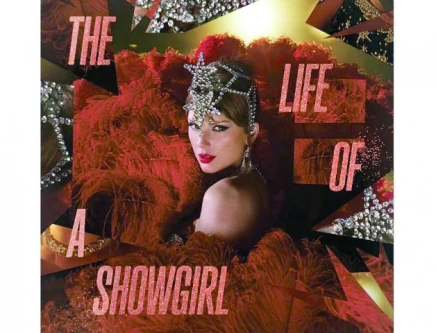
Pop superstar Taylor Swift is at the center of a social media scandal after finally releasing her new album, The Life of a Showgirl. The world’s greatest pop icon is receiving massive backlash online as speculation runs rife about having lost a whopping one million Instagram fans in a matter of hours. But how true are those terrifying numbers?
Fan pages on social media, including X (formerly Twitter), have been posting screenshots and saying that Instagram followers of Swift decreased dramatically from 282 million to 281 million in a matter of days after dropping her 12th studio album, The Life of a Showgirl. On a surface level, it seems to verify a huge exit of sad fans.
However, things are a tad more complex than that. Since its number of followers did actually go down from the “282M” mark to “281M” on Instagram’s public count, that’s not necessarily a nice, clean million-follower loss. Instagram itself rounds off its follower numbers for bigger followings, so a perceived loss here from 282 million to 281 million might actually be a much smaller decline.
‘Cheap Shortcut’: Fans Accuse Taylor Swift of Betraying Artistic Ideals with AI
According to Social Blade, a website for observing comprehensive social media numbers, Swift’s current number of followers is about 281,989,572. That means the true number lost was great enough to set her below the 282 million threshold, causing Instagram’s display to round down to 281 million.
The site’s data also shows she lost roughly 60,000 of her followers over a period of two weeks, a notable decline but far less than the speculated million-follower loss going online.
Loss of follower, whatever its actual value, is a fact measure of frustration of a Swift enthusiast. Controversy is related to her marketing strategy of The Life of a Showgirl, where a piece of marketing collateral is created by utilizing a piece of artificial intelligence.
Swift set up a global “orange door” treasure hunt as part of an album promotion, where fans were guided to QR codes leading to AI-created videos based on themes of an album. For many of her fans, it seemed like a betrayal of all that Swift represents as a career force.
The artist has built a career of advocating artistic integrity and representing artists’ rights.
That high-profile fight for her to own her master recordings once again earned her a reputation for being a champion of creative integrity. And now, according to her fans, she’s betraying those same ideals by using AI-written content.
Taylor Swift’s AI Backlash, Album Critique, and Charli XCX ‘Diss’ Ignite Fan Drama
The backlash is especially severe considering Swift’s position as a billionaire with virtually unlimited artistic funds available to her. For many fans, employing AI is seen as a “cheep shortcut” by-passing human creativity and originality. The message of disgruntled fans is clear: if anyone should be able to “do it all for real,” it’s Taylor Swift.
The AI backlash is not occurring in a vacuum. The Life of a Showgirl hasn’t been universally praised by fans and critics, who have felt many times that the album’s lyrics are inferior to storytelling of prior efforts like Folklore, Evermore, and The Tortured Poets Department.

To fuel even more drama, there’s a song titled “Actually Romantic,” and some believe it’s a diss recording aimed at fellow pop icon Charli XCX. The recording’s been panned for being far too savage and lopsided, as many believe Swift, being the bigger star, should’ve held it together instead of beefing up a rivalry.
How AI is Challenging Pop Stardom and Artistic Originality?
Even Charli XCX went on to vow new music soon after “Actually Romantic,” leading to speculation of a “pop girls’ war” in our foreseeable future.
Whether it lost 60,000 fans or a million, the row underscores a rising tension across the music industry regarding AI applications and artistic integrity. For a musician who’s based her entire career on individualized storytelling and artistic originality, the furore is a reminder to fans that they expect their favorites to meet their own criteria for themselves.
As this conversation moves forward, one thing is true: With its new era, Swift’s inspired a series of debates extending far beyond music, including discussions of how we’ll create tomorrow, in a more A.I.-centric world.