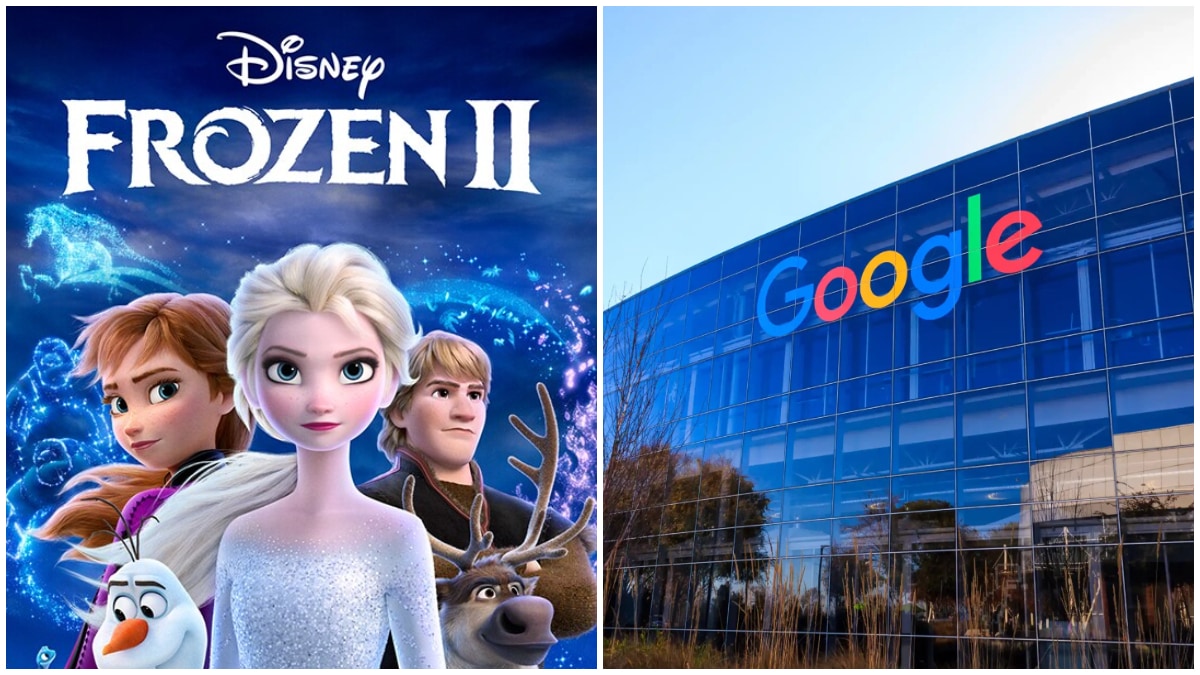
The giant entertainment company has sounded a warning shot at one of the largest technology firms globally, criticizing Google for using their iconic characters without authorization to train artificial intelligence models. Disney has sent a cease-and-desist letter to Google this week, claiming that Google’s AI products have been creating images that look remarkably similar to characters from some of Disney’s most iconic franchises.
This includes characters from Frozen, Star Wars, the Marvel universe of superheroes, as well as characters from Disney-owned Pixar franchises.
The timing is especially evident because Disney brought these claims before the public only a day before making a $1 billion investment in OpenAI, a competing AI startup that has the potential to drastically change the entertainment industry’s mindset toward AI.
Disney Accuses Google of ‘Massive Plagiarism’ of Iconic Characters for AI Models
In the cease-and-desist letter issued on Wednesday, Disney’s lawyers from Jenner & Block state that Google is plagiarizing a vast amount of Disney’s copyrighted works. Disney claims the works are being used for the development of Google’s generative models of artificial intelligence, which are used to produce infringing copies of Disney’s works, thereby replicating Disney’s creations.
“The systems are described in a letter as working like a ‘virtual vending machine’ that is capable of replicating and distributing Disney’s iconic characters on a massive scale,” reports Reuters.
Disney is also troubled by the observation that most of the images generated by AI are imprinted with the logo of Google’s Gemini service, which Disney believes gives a misleading impression that Disney has accepted or approved Google’s use of Disney’s intellectual property.
The extent of the alleged infringement is very broad. Disney claimed characters from Frozen, Lion King, Moana, Little Mermaid, Deadpool, Guardians of the Galaxy, Toy Story, Brave, Ratatouille, Monsters, Inc., Lilo & Stitch, Inside Out, as well as big franchises such as the characters from Star Wars, The Simpsons, and certain Marvel franchises such as Avengers, Spider-Man, etc.
Disney offered particular examples in the letter, such as the images it claims were generated by the Google AI from the mere text prompts, including one with the infamous Darth Vader from the “Star Wars” franchise.
Disney’s “Number One Priority” Leads to Google Cease-and-Desist
Google also spoke about the technologies that the search giant has developed to assist copyright owners in managing their content on the platform, such as Google Extended Content and YouTube’s Content ID system.
This is not the first legal letter that Disney has filed. Disney has been reported to have been expressing concerns to Google for several months before taking legal action, but Google has not responded.
The issue has been targeted by Disney’s CEO, who spoke on the matter in an interview with CNBC on Thursday, saying that the protection of intellectual property has been a “number one priority at The Walt Disney Company.” The letter is, he said, “another example of just that.”
In his explanation, Iger has stated that Disney had been in talks with Google about how Disney’s properties were being used by Google’s AI systems. This didn’t come to a satisfactory conclusion, which led Disney to take legal recourse because they thought that they had no other choice.
The “cease-and-desist” letter calls on Google to exercise “reasonable technical safeguards” in all of Google’s AI offerings, as well as with respect to all products that use such AI systems. This is to ensure that such copyright problems do not arise in the future.
Disney Challenges Google Over Commercial Use of IP in AI
Disney also stated that Google’s conduct is particularly problematic because Google is taking advantage of the reach that they have, in order to distribute such software, which still benefits from the popularity of Disney content that has been reproduced wrongly using the software.
This incident brings to light the rising conflict between the producers of content and the technological corporations that develop such AI technology. The rising sophistication of generative AI is raising serious concerns within the entertainment industry, such as copyright, fair use, and licensing.
The result of this case may set significant precedents on how firms involving AI are supposed to treat copyrighted works going forward.