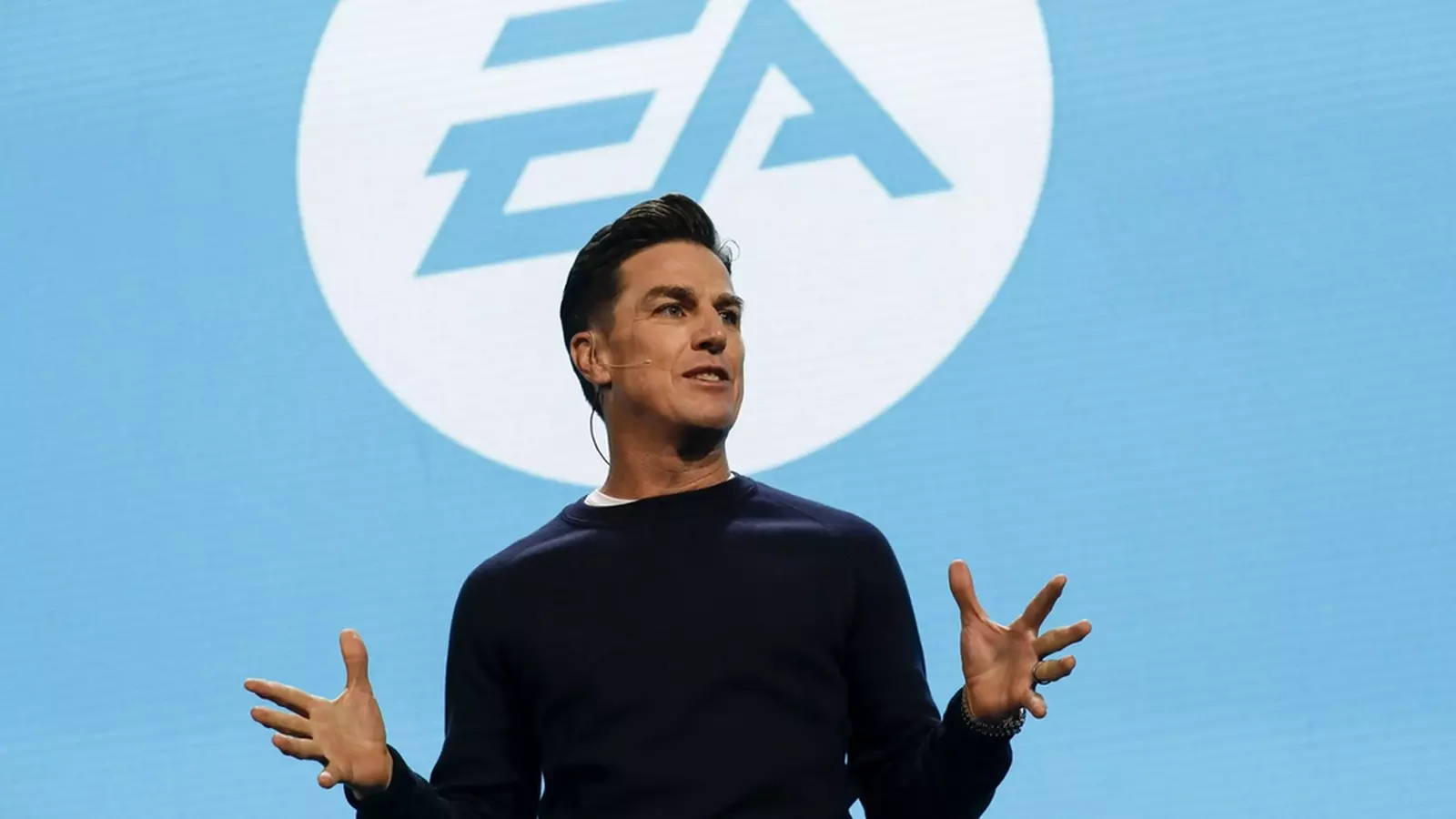
Electronic Arts is once again facing scrutiny over executive pay after a regulatory filing revealed that CEO Andrew Wilson received nearly $38.65 million in total compensation for the company’s fiscal year 2026.
The disclosure arrives only months after Battlefield 6 became one of the biggest commercial successes in the franchise’s history. The game reportedly sold seven million copies within its first three days, setting a new benchmark for the series and outperforming its biggest rival during launch.
For many fans and industry observers, however, the impressive sales figures have also reopened an uncomfortable conversation: who truly benefits when a blockbuster game succeeds?
A record launch followed by layoffs
Battlefield 6 was widely praised for its polished release, stable online services, and strong gameplay. According to EA’s SEC filing, the title met every major milestone expected from a high-quality launch, earning positive reviews while delivering strong commercial performance.
Yet the celebration was short-lived for parts of the development workforce.
Earlier this year, Electronic Arts confirmed layoffs affecting an undisclosed number of employees connected to the Battlefield franchise. Reports also indicated that the company shut down an entirely separate Battlefield project that was reportedly exploring a more narrative-driven direction for the series.
The contrast between the game’s commercial triumph and subsequent workforce reductions has continued to fuel criticism across the gaming community.
SEC filing highlights Battlefield’s contribution
Electronic Arts’ amended Form 10-K filing shows that Andrew Wilson’s total compensation for fiscal 2026 reached $38,649,984, roughly $8 million more than the previous fiscal year.
Wilson’s base salary remained unchanged at $1.3 million, meaning the majority of the increase came through performance-based incentives, stock awards, and executive bonuses tied to company results.
The filing specifically credits Battlefield’s performance as a major achievement during the year. EA notes that the game delivered on every important launch objective, including positive critical reception and reliable live-service performance.
The document also references the franchise’s success when discussing management’s execution during what it describes as an unpredictable external business environment.
Executive rewards versus developer uncertainty
The timing of the compensation disclosure has intensified criticism surrounding the widening gap between executive rewards and employee job security across the video game industry.
Game development has become increasingly expensive, with blockbuster releases requiring teams of hundreds, and sometimes thousands, of developers working for several years. Despite successful launches, layoffs have become common as publishers restructure studios, reduce costs, or shift long-term priorities.
For many developers, that pattern raises difficult questions. When games miss expectations, studios are often downsized. When games exceed expectations, layoffs can still follow while executive compensation continues to climb.
That perception has become a recurring point of debate not only at EA but throughout the broader games industry.
Previous criticism resurfaces
The compensation news has also renewed attention around comments made earlier this year by former Dragon Age executive producer Mark Darrah.
Speaking about the direction of large game publishers, Darrah described EA as “a hedge fund with a videogame hobby,” suggesting that financial priorities increasingly outweigh long-term creative investment.
While the remark drew significant attention at the time, the latest executive compensation figures have brought those comments back into public discussion.
Electronic Arts has not directly linked Wilson’s compensation solely to Battlefield’s success, as executive pay is determined through multiple financial and performance metrics. Nevertheless, the SEC filing clearly identifies the franchise’s strong launch as one of the company’s notable accomplishments during the fiscal year.
Success brings difficult questions
There is little doubt that Battlefield 6 delivered exactly what EA hoped for. It launched smoothly, earned strong reviews, attracted millions of players, and generated significant revenue in a competitive market.
At the same time, the game’s success has highlighted an issue that extends well beyond a single publisher. Across the gaming industry, blockbuster releases increasingly coexist with layoffs, studio closures, and growing concerns about workforce stability.
Andrew Wilson’s $38.6 million compensation package may be entirely consistent with EA’s executive reward structure, but its disclosure has once again shifted attention toward the people who build the games themselves.
As the industry continues to post record revenues while reducing development teams, the debate over how success is shared is unlikely to fade anytime soon.