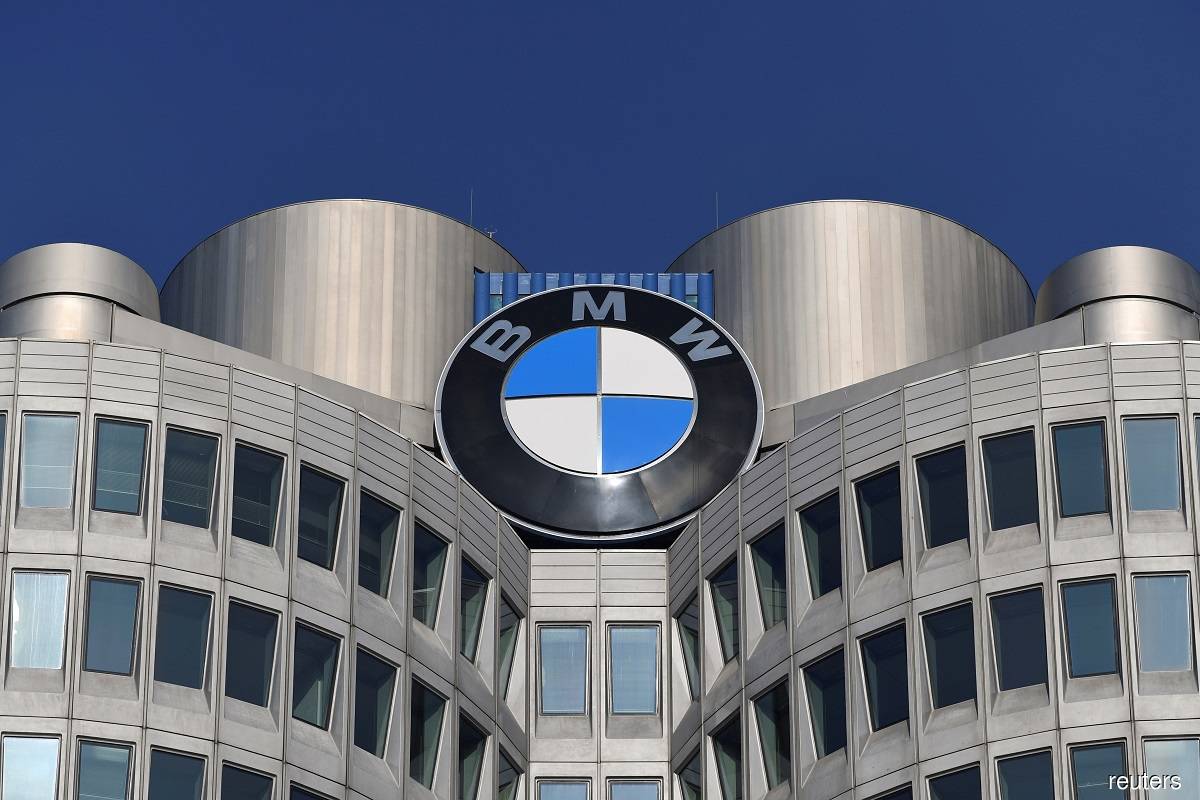
BMW is preparing for one of its biggest workforce restructurings in recent years, announcing plans to reduce approximately 8,000 jobs by the end of 2027. Rather than resorting to compulsory layoffs, the luxury carmaker has chosen a voluntary redundancy program aimed at desk-based employees in Germany.
The decision reflects the broader transformation sweeping through the global automotive industry. As manufacturers invest billions in electric vehicles, software development, and digital technologies, companies are reassessing where talent is needed and which roles are becoming less critical.
BMW currently employs around 154,000 people worldwide. Nearly half of its German office workforce will be eligible to participate in the voluntary separation program over the next few years.
A gradual restructuring instead of forced layoffs
Unlike several automakers that have announced immediate job cuts, BMW is taking a slower approach. The company plans to achieve the workforce reduction gradually through voluntary exits rather than mandatory redundancies.
Employees who choose to leave are expected to receive severance packages and other transition support, although BMW has not disclosed the financial terms of the program.
By avoiding compulsory layoffs, the automaker hopes to maintain employee morale while reshaping its workforce to match future business priorities.
The strategy also gives BMW greater flexibility to retain critical engineering, manufacturing, and research talent as competition in electric mobility continues to intensify.
Industry faces mounting pressure
The announcement comes at a time when Europe’s automotive sector is navigating multiple challenges simultaneously.
Demand for electric vehicles has become increasingly competitive, with established manufacturers facing pressure from Chinese automakers as well as Tesla. At the same time, rising production costs, evolving environmental regulations, and slower-than-expected EV adoption in some markets have forced companies to rethink spending.
Traditional automotive jobs are also changing.
As vehicles become more software-driven, manufacturers require greater expertise in artificial intelligence, battery technology, cybersecurity, and digital services. Many administrative functions are also being automated, reducing the need for large office-based teams.
For companies like BMW, adapting to these structural changes has become a long-term necessity rather than a short-term cost-cutting exercise.
Germany remains central to BMW’s future
Despite the workforce reduction, BMW has indicated that Germany will remain a cornerstone of its global operations.
The company’s manufacturing facilities, engineering centers, and research hubs continue to play a critical role in developing future vehicle platforms and next-generation technologies.
The restructuring is therefore less about reducing Germany’s importance and more about aligning the workforce with changing business requirements.
BMW continues to invest heavily in electrification, advanced driver assistance systems, connected vehicle technologies, and sustainable manufacturing practices. Those investments require a different mix of skills compared to traditional automotive operations.
Workforce changes becoming common across the industry
BMW is far from alone in reassessing its workforce.
Over the past two years, several major global automakers have announced restructuring initiatives as they redirect investment toward electrification and digital mobility. Companies are increasingly prioritizing software engineers, battery specialists, and AI experts while reducing roles tied to conventional administrative processes.
The shift highlights how the automotive business is evolving beyond mechanical engineering into a technology-driven industry.
For employees, this means future career opportunities are increasingly linked to digital skills and emerging mobility technologies.
Looking ahead
BMW’s decision to reduce approximately 8,000 jobs by the end of 2027 signals another milestone in the automotive industry’s ongoing transformation.
While voluntary redundancy offers a less disruptive alternative to mass layoffs, the announcement underscores how even profitable global manufacturers are adjusting their workforce for an era defined by electric vehicles, automation, and software.
Over the coming years, BMW’s success will depend not only on launching competitive new models but also on building a workforce equipped for the next generation of mobility. The company’s latest restructuring plan reflects that long-term vision, balancing operational efficiency with the need to remain competitive in one of the most rapidly changing industries in the world.