What began as a routine financial investigation quickly turned into one of the most startling discoveries in India’s online betting and money laundering crackdown. Officials of the Enforcement Directorate (ED), while following a financial trail linked to illegal betting platform 1Xbet, unexpectedly landed at the doorstep of a bike-taxi driver — a man earning just enough to survive, yet hosting transactions worth more than ₹331 crore in his bank account.
In this article, we will delve into the bizarre discovery, the growing use of “mule accounts,” and why this case may shake political and celebrity circles once again.
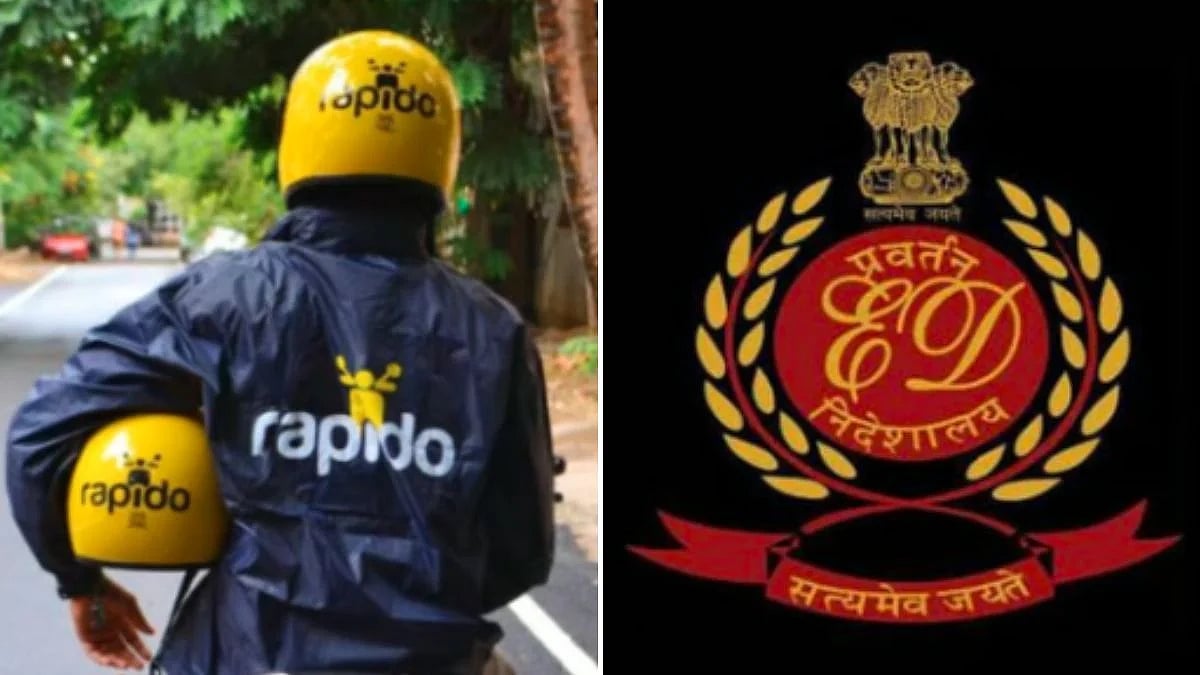
Credits: Free Press Journal
A Shocking Trail of Transactions
The ED first picked up the trail when suspicious deposits surfaced — a staggering ₹331.36 crore flowing into a single bank account between August 19, 2024 and April 16, 2025. The pattern was clear: multiple unidentified deposits swiftly rerouted to other accounts with little to no trace of legitimate activity.
What made investigators pause was not just the amount, but the identity of the account holder — a Rapido bike-taxi driver living in a cramped two-room shanty in a modest Delhi neighbourhood. His daily earnings barely covered basic meals, and yet, his bank account saw activity equivalent to that of a high-volume trading firm.
A Mule Account in Action
Authorities now believe the driver’s bank account wasn’t simply misused — it was designed to be a mule account.
A mule account is a financial front — often opened using fake or purchased KYC — used to funnel illegal funds while shielding the true beneficiaries. Such accounts are increasingly being used across illegal betting, cryptocurrency fraud, and digital scams.
According to investigators, the driver claimed he had no knowledge of the money movement, had never met any party involved, and certainly did not authorize multimillion-rupee transfers.
A Wedding That Raised Questions
While the repeated deposits were concerning, one particular expense triggered alarm — and curiosity.
Over ₹1 crore was paid from the same account toward a lavish destination wedding at an upscale luxury venue in Udaipur, Rajasthan. Just the invoice trail revealed private hospitality suites, designer décor, celebrity performers, and premium logistics.
The ED has now linked the event to a young politician from Gujarat, who is expected to be summoned for questioning. The identity of the families involved remains under scrutiny, and the agency is working to determine whether the wedding was a laundering endpoint, a payment, or a cover-up.
Bigger Network Under the Scanner
The mule account is believed to be only one node in a much larger money-moving network. Investigators suspect that a portion of the funds originated from illegal betting operations, especially those tied to 1Xbet, an offshore platform already under scrutiny.
ED officials have already attached high-value assets belonging to former cricketers Shikhar Dhawan and Suresh Raina in related inquiries, and multiple celebrities and public figures have been questioned.
This new twist suggests the network may be wider — and more embedded — than initially believed.
A Case That Signals a Larger Problem
The bizarre contrast — a low-income bike driver unknowingly acting as a financial conduit — exposes a sharp vulnerability in India’s digital banking ecosystem. With millions onboarding financial platforms rapidly, fraud-linked KYC exploitation is becoming alarmingly common.
As the investigation deepens, the ED is now mapping both the sources and destinations of the funds. The case may lead to more arrests, more financial seizures, and possibly an unraveling of a larger political-crime nexus.
One thing is clear: this is not the end of the story — just the beginning of a much bigger one.
Credits: The Tribune
Conclusion
This startling discovery underscores how deeply entrenched illegal betting networks have become in India’s financial ecosystem and how easily unsuspecting or vulnerable individuals can be manipulated into becoming part of high-stakes money laundering operations. The ED’s findings not only reveal the scale of these shadow transactions but also raise critical questions about regulatory oversight, digital banking loopholes, and the growing sophistication of financial crime syndicates.