India’s electric vehicle (EV) market is entering a phase of rapid transformation — driven by falling technology costs, new competition, and a changing consumer mindset. According to Tata Motors Passenger Vehicles CEO Shailesh Chandra, electric cars could cost the same as petrol and diesel models by 2030, a milestone that could reshape India’s automobile landscape.
In this article, we will delve into the evolving dynamics of India’s EV market, the forces driving its acceleration, and what Tata Motors’ bold predictions mean for the future of mobility.
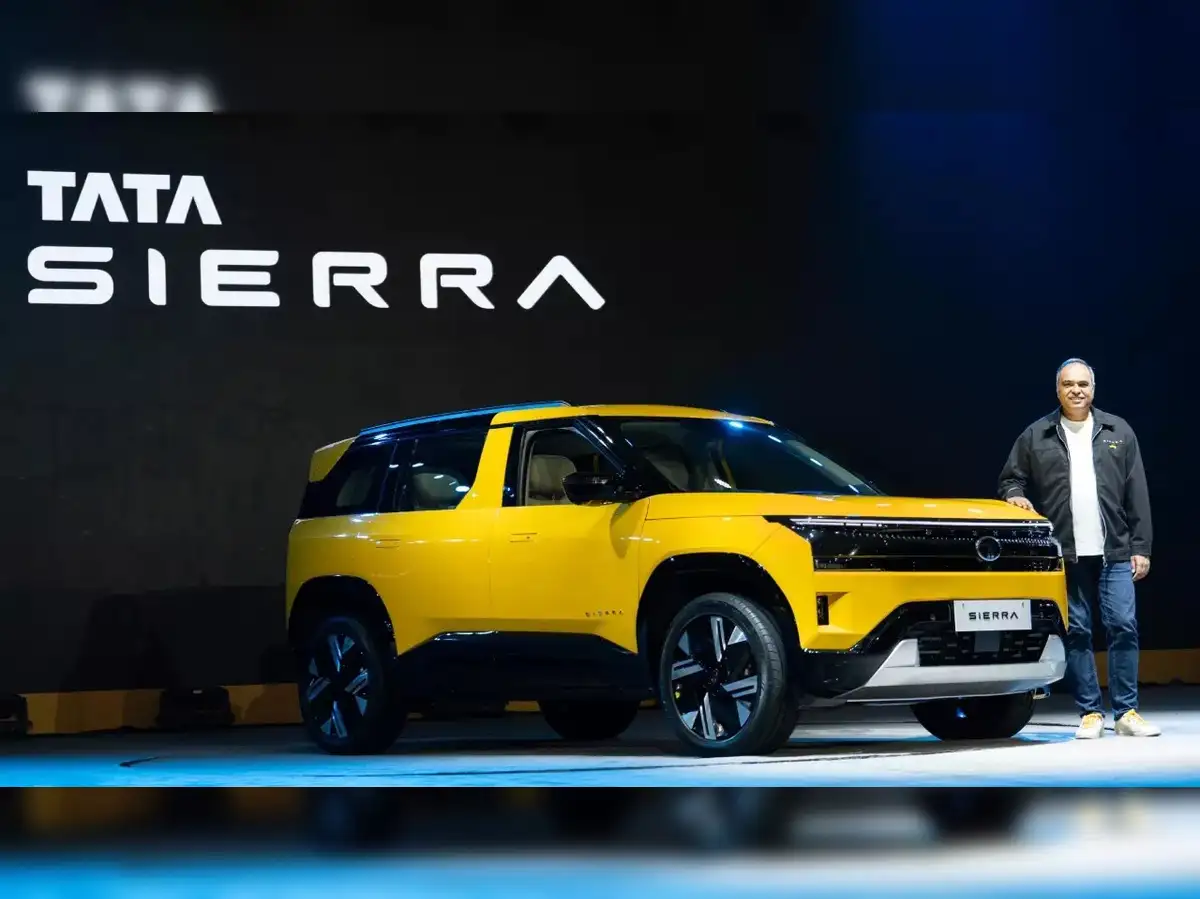
Credits: The Economic Times
EV Adoption Gains Momentum
Just a year ago, EVs represented 2.5% of new vehicle sales in India. Today, that number has doubled to over 5%, signaling a shift in how Indians view mobility. Tata Motors — the biggest EV seller in the country — expects nearly one-third of its total vehicle sales to come from electric models by the end of the decade, reaffirming a previously stated target.
Chandra says this growth aligns with global market trends, except for China and Europe where EV adoption has recently slowed. For India, however, the timing is ideal: lower battery prices, supportive policy pushes, and expanding product options are converging to accelerate demand.
Competition Heats Up as New Players Enter
India’s EV space is no longer dominated by a handful of automakers. This year alone, Tesla and VinFast entered the market, alongside rising competition from domestic brands and Chinese automakers.
Tata Motors — which also owns luxury brand Jaguar Land Rover — now spans both affordable and premium EV segments. But its dominance is being challenged. Its market share dropped from 59% last year to 35% in the first eight months of this year.
Meanwhile:
-
JSW MG Motor India has grown from 25% to 30% market share
-
Mahindra & Mahindra now holds 22.6%
Chandra welcomes the competition, saying, “It’s a good thing because that is what is creating excitement in the market.” He believes multiple strong options build consumer trust and accelerate adoption.
Technology Advances Are Driving Down Costs
Beyond the fall in lithium-ion battery prices, manufacturing innovations are playing a big role in reducing EV costs. Chandra explains that systems that once required multiple standalone components — especially power and control modules — are now being integrated into compact single units.
This streamlining reduces:
-
Manufacturing complexity
-
Component count
-
Vehicle weight
-
Time to assembly
These shifts are expected to continue driving prices down over the next six years.
Chandra believes 2030 will be the tipping point when entry-level EVs offer around 400 km of driving range — at the same price as gasoline models.
Right now, budget electric cars typically cost 25–30% more and offer under 300 km per charge.
Challenges: Infrastructure and Hybrid Competition
Even as momentum builds, India’s EV journey won’t be without obstacles. The biggest friction point remains charging infrastructure, especially in smaller cities and rural regions.
This gap is opening the door for hybrid vehicles — seen by many as a practical middle ground until charging networks improve. Automakers like Hyundai and Kia are preparing hybrid launches tailored to the Indian market.
Additionally, the government’s recent consumption tax cuts on gasoline cars may temporarily slow EV adoption.
The Road Ahead
According to BloombergNEF, India’s EV sales could cross 650,000 units by 2030, driven by falling battery prices, strong supply chains, and an expanding model lineup.
Tata Motors is confident it can regain leadership, targeting 45–50% market share with expanded offerings — from affordable hatchbacks to premium SUVs. The upcoming electric Sierra, set to debut early next year, symbolizes this next phase.

Credits: trak.in
Conclusion
India’s EV revolution is no longer a distant vision — it’s unfolding now. With innovation accelerating, competition intensifying, and costs falling sharply, the next decade could redefine how India moves. If price parity arrives as predicted, 2030 may mark the year electric mobility becomes the default choice for millions of Indian drivers.