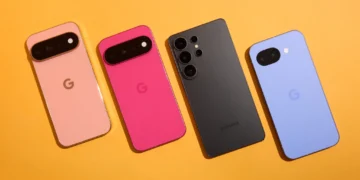
Google I/O 2024 brought a flurry of exciting announcements and innovations, with a particular focus on artificial intelligence. This year, rather than concentrating on hardware, Android, or Chrome, Google dedicated much of the conference to showcasing the potential of its AI features.
Among these, Project Astra stood out as a groundbreaking development. Project Astra is a multimodal AI assistant capable of semi-conversational interactions, and it can simultaneously use a camera to identify objects and people in the environment.
Despite its promising potential, it became clear during the demonstration that Project Astra is still in its early stages. As part of the Gemini AI project, Astra demonstrates how Google envisions the future of AI-driven assistance. Several individuals had the chance to briefly interact with Project Astra on the Pixel 8 Pro, gaining a glimpse of what the future might hold for Android users.
Understanding Project Astra

Project Astra aims to function as a smart assistant, offering real-world guidance and assistance. This AI can answer questions about the environment by identifying objects, recognising faces and moods, and even remembering the location of misplaced items. For instance, if you ask Astra where you last left your keys, it can help you find them.
During the demo, there were four modes available for Project Astra. These included Storyteller mode, which allows the AI to create stories based on user input, and Pictionary, where the AI plays a game of guessing doodles. Another mode, Alliteration, showcases the AI’s ability to find words with the same starting letter. Lastly, the Free-Form mode lets users chat back and forth with the AI.
Real-World Application
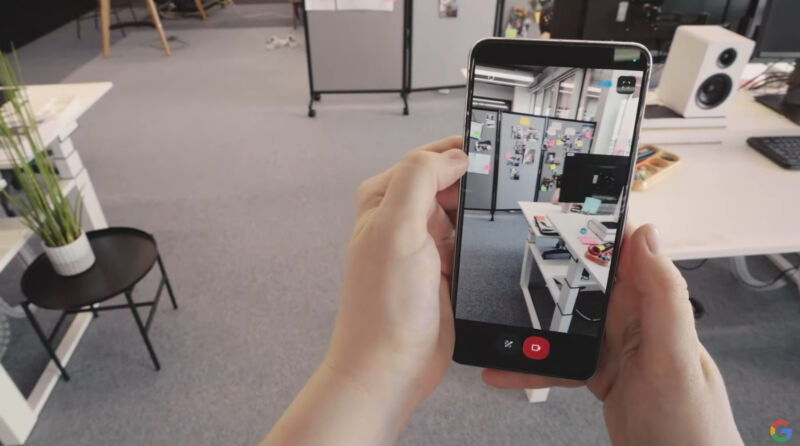
In the demonstration, a journalist had requested to try the Free-Form mode on the Pixel 8 Pro. The demo involved pointing the camera at another journalist. Project Astra identified the subject as a person, whom we specified identified as a man.
The AI accurately recognised that he was holding a phone. When asked about his clothes, Astra responded that he appeared to be wearing casual clothing. Additionally, when we inquired about his actions, Astra correctly noted that he was putting on a pair of sunglasses and striking a casual pose.
People also had a chance to interact with Project Astra. They pointed the camera at a pot of faux tulips, and Astra correctly identified them as tulips and noted their colourful appearance.
Project Astra represents a significant leap in AI technology. Its ability to identify people and objects, understand actions, and provide relevant information has numerous potential applications.
One of the most intriguing aspects of Project Astra is its potential to replace traditional virtual assistants like Google Assistant. Astra can remember where users place their items and pick up on nuances in conversation, suggesting a more natural and intuitive interaction with devices.
This shift towards a more conversational and perceptive AI assistant could fundamentally change how we interact with our phones and other devices.
Beyond Smartphones
While the demo primarily showcased Project Astra on the Pixel 8 Pro, Google has broader ambitions for this technology. A demo video highlighted the use of Astra with smart glasses, indicating that the AI could be integrated into various devices.
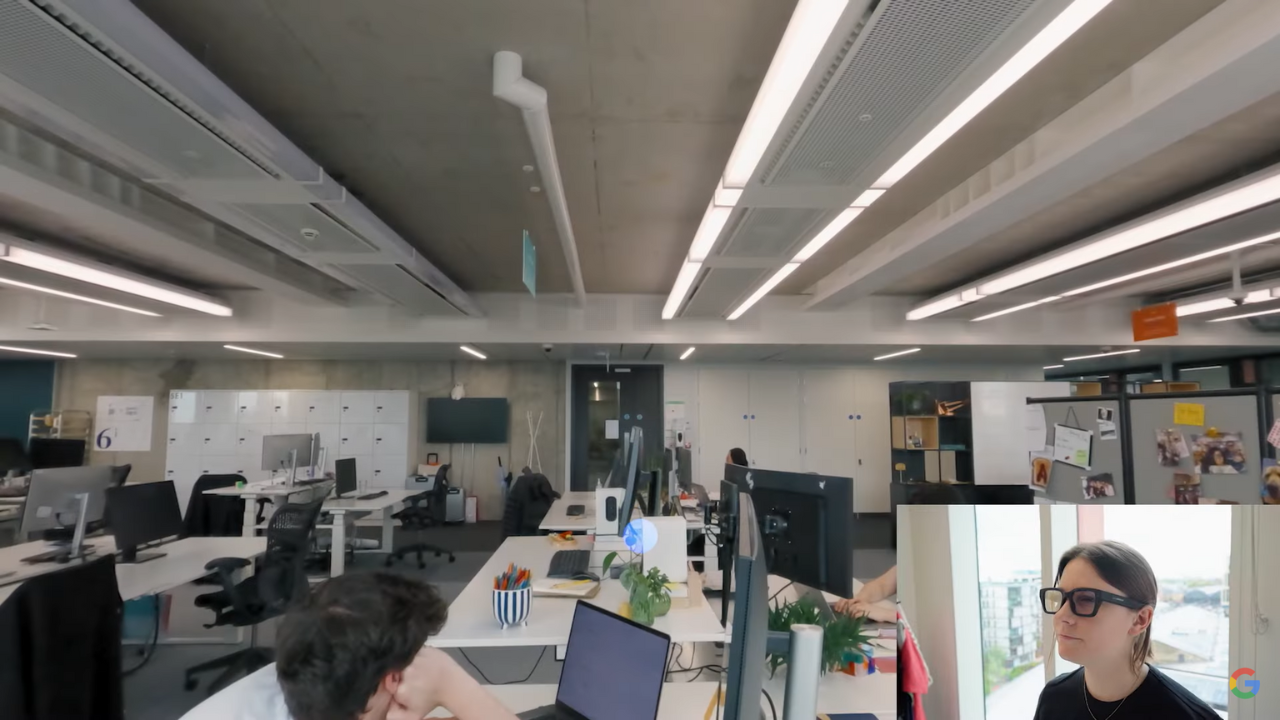
Traditional virtual assistants have relied on information extracted from the web and user input to perform tasks. In contrast, Project Astra learns about the world in real time, providing a more immersive and human-like assistant experience.
Project Astra’s multimodal capabilities—processing text, video, images, and speech—make it a versatile tool for numerous applications. Whether used on smartphones, smart glasses, or other devices, Astra could revolutionise how we interact with technology, making it more intuitive and responsive to our needs.
Early Stages and Future Prospects
It’s important to note that Project Astra is still in its early stages of development. Google has not announced specific launch dates, and the AI is currently undergoing testing. A test version of the model is available on the DeepMind website, allowing users to explore its capabilities and provide feedback for further refinement.
Despite its infancy, Project Astra has already demonstrated impressive capabilities. During the demo, the AI accurately identified people, objects, and actions, providing relevant information in real time. This suggests a bright future for technology as it continues to evolve and improve.
Implications for Accessibility

One of the most significant potential applications for Project Astra is in the realm of accessibility. By providing real-time information about the environment, Astra could help individuals with visual impairments navigate the world more effectively.
In addition to assisting individuals with visual impairments, Astra could also benefit those with cognitive disabilities. The AI’s ability to remember where items are placed and provide reminders could help users manage daily tasks more efficiently. Moreover, its conversational capabilities could offer companionship and support, enhancing the quality of life for many users.
Challenges and Considerations
While Project Astra holds great promise, it also faces several challenges. Ensuring the AI can accurately and consistently identify objects and actions in various environments is crucial for its success. This requires extensive training and testing to account for diverse scenarios and conditions.
Privacy and security are also significant concerns. As Project Astra processes real-time data from cameras and microphones, it is essential to ensure that users’ privacy is protected. Google will need to implement robust security measures to safeguard user data and prevent unauthorised access.
Furthermore, the AI’s ability to understand and respond to nuanced questions and commands must be continually refined. During the demo, Astra provided generalised answers about clothing and actions, indicating room for improvement in its contextual understanding. As the technology evolves, developers must focus on enhancing the AI’s comprehension and responsiveness.
What’s Next?
Project Astra represents a bold step forward in the development of AI assistants. By combining real-time object and action recognition with conversational capabilities, Astra has the potential to transform how we interact with technology. As AI continues to evolve, it could become an indispensable tool for a wide range of applications, from accessibility to everyday convenience.
Google’s commitment to advancing AI technology is evident in its investment in projects like Astra. By pushing the boundaries of what AI can do, Google aims to create more intuitive and helpful tools for users. While there are still many questions to be answered and challenges to overcome, the future of Project Astra looks promising.
As we look ahead, it is clear that AI will play an increasingly important role in our lives. Project Astra is just one example of how AI can enhance our interactions with technology, making it more responsive and personalised. Whether used on smartphones, smart glasses, or other devices, Astra has the potential to change the way we navigate and understand the world around us.