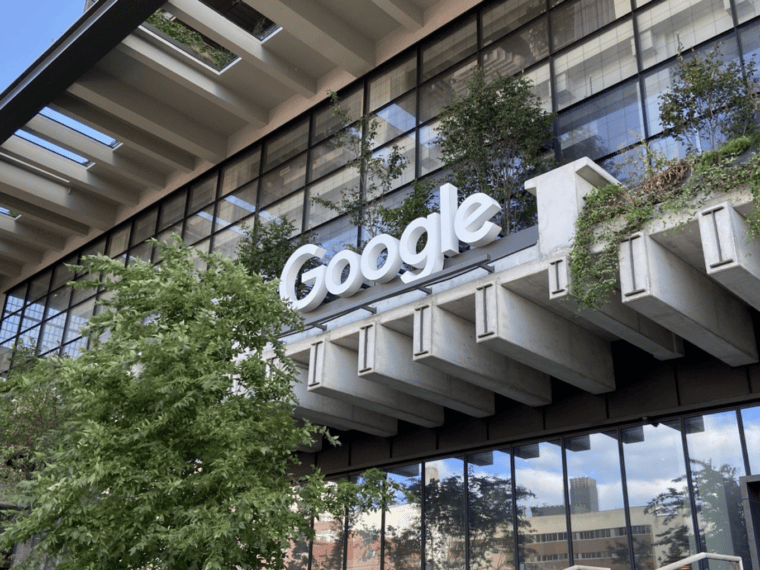
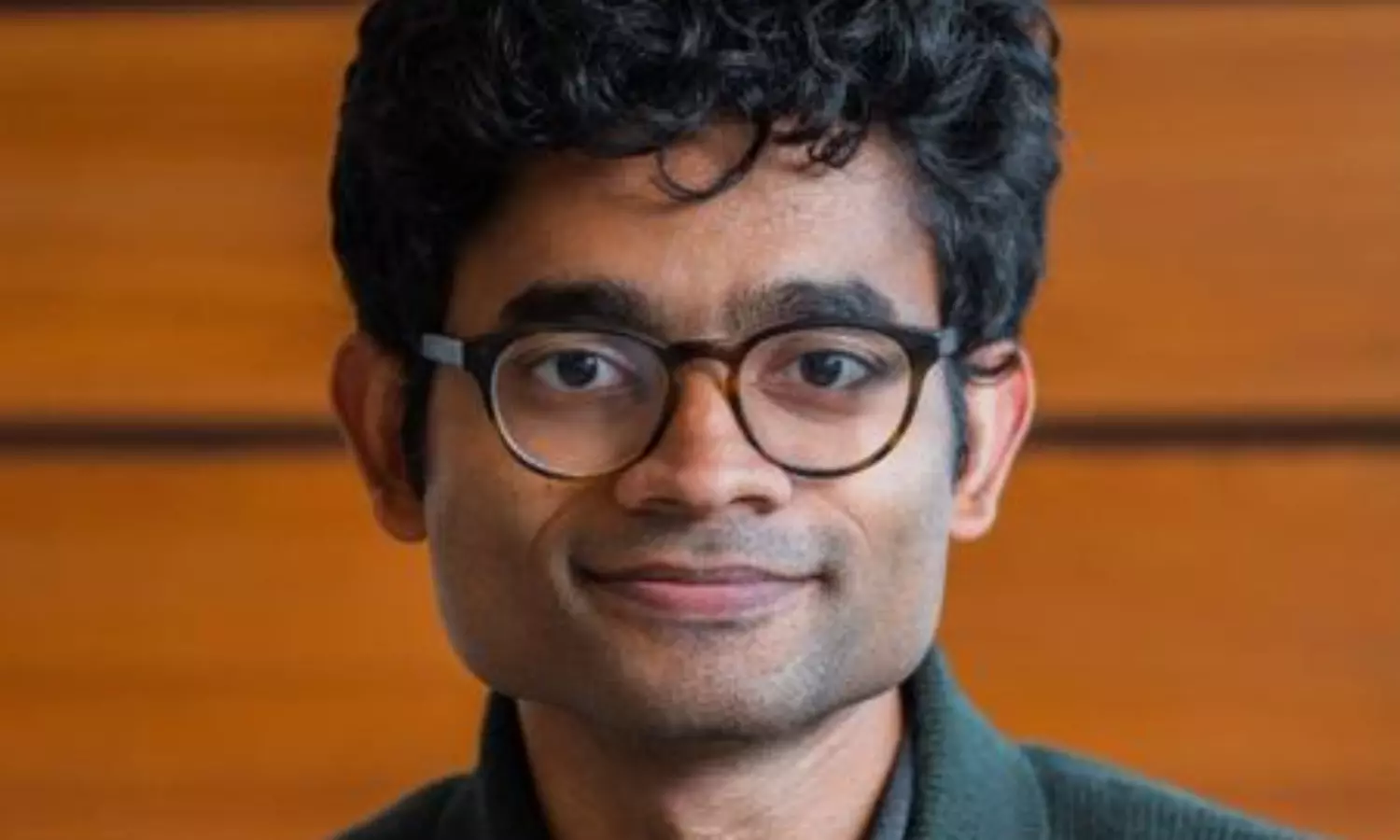
In a power move that signals escalating competition in the artificial intelligence sector, Google has secured a high-profile deal with coding AI startup Windsurf, paying a staggering $2.4 billion in licensing and compensation. While the agreement does not constitute an acquisition, it brings Windsurf co-founder and CEO Varun Mohan—and several senior R&D staff—into the Google fold, specifically to bolster DeepMind’s capabilities.
The deal marks one of the largest non-acquisition tech arrangements in recent history. Windsurf, an independent player known for pushing the boundaries of AI-assisted programming, remains a standalone company. Yet, Google now holds a non-exclusive license to crucial parts of its intellectual property, which may tilt the playing field in its favor for the next generation of developer tools.
Vibe Coding Meets Agentic Intelligence
Windsurf burst onto the scene with its novel approach to “vibe coding”—a new paradigm where developers interact with AI more intuitively, often using natural language and high-level logic prompts. It’s been described as a shift from autocomplete suggestions to collaborative creation, and developers have taken notice.
Now, Google intends to level up further with “agentic coding,” a concept it’s developing through DeepMind. Agentic coding aims to create AI systems that function like autonomous coding partners—understanding project goals, writing significant portions of code, and making smart suggestions with minimal human prompting. The addition of Windsurf’s brain trust is expected to fast-track this effort.
OpenAI Left in the Cold
The deal comes as a surprise blow to OpenAI, which was reportedly in exclusive acquisition talks with Windsurf earlier this year. Those discussions, pegged at around $3 billion, have now been declared officially closed by an OpenAI spokesperson. While no acquisition occurred, Google’s ability to lock in both key talent and valuable IP from Windsurf represents a significant strategic win.
For OpenAI, missing out on Windsurf is a rare setback. The organization, which has typically been at the forefront of transformative AI, now faces the reality of one of its most promising targets reinforcing the arsenal of a rival.
Meta and Microsoft Also Flexing Muscle
Google’s move arrives amid a flurry of activity in the AI space. Meta recently recruited Scale AI founder Alexandr Wang to head up its AI strategy, as part of a $14.3 billion push to dominate AI infrastructure. Meanwhile, Microsoft has gone all-in on integrating AI into developer workflows.
Microsoft CEO Satya Nadella claimed in April that AI already writes 30% of all code produced within the company, thanks to innovations like the “agent mode” in Visual Studio Code. The rapid adoption of AI co-pilots among developers highlights a growing consensus: the future of coding will be AI-driven.
What This Means for Developers and Enterprises
While Varun Mohan and several Windsurf leaders transition to Google, the startup isn’t disappearing. Under interim CEO Jeff Wang, the company will continue to operate independently and serve its enterprise clients, retaining the right to license its technology elsewhere.
This dual-path strategy—feeding innovation into Google’s Gemini platform while continuing standalone product development—puts Windsurf in a unique position. It retains autonomy while tapping into the resources and reach of a tech giant, offering developers and enterprises the best of both worlds.
Credits: Madhyamam
A New Era of AI-Driven Software Development
Google’s Windsurf play is more than a talent acquisition or licensing deal—it’s a statement. By onboarding pioneers of vibe coding and leaning into agentic intelligence, Google is signaling that the next frontier of AI lies in autonomous software creation.
As Big Tech battles it out with billions in deals, the tools born from these efforts will redefine how software is written, who writes it, and how fast it evolves. For developers, this moment is both exhilarating and existential: the age of the human-machine coding partnership has truly arrived.