Greece is going to make a revolutionary move in terms of social media usage by children. From January 1st, Greek authorities have decided to block access to social networking websites for all those who are younger than 15 years of age. This initiative was taken by the country’s Prime Minister, Kyriakos Mitsotakis.
According to Mitsotakis, this was a very hard decision to make, but there were no other ways out. In a TikTok video, addressed specifically to youth, Mitsotakis emphasised that the government does not intend to deprive kids of technology altogether.
Rather, its purpose is to shield them from possible threats associated with excessive social media activity. In recent years, numerous studies have been conducted proving that frequent screen time impacts children’s sleep, concentration, and psychological condition.
The law is yet to be officially approved. It is expected that it will be voted on in the upcoming months in Greece’s parliament. The House of Representatives, consisting of 300 members, is currently dominated by the ruling political party of New Democracy.
This is not the first step taken by the government of Greece in the matter. Last year, there were measures announced, which included a ban on mobile phones in educational institutions. Apart from this, certain measures were introduced that would allow the parents to monitor screen time. This paved the way for future measures limiting children’s access to digital platforms.
Greece and the Global Movement to Ban Social Media for Minors
Under the new measure, those under the age of 15 will not be able to use applications such as Facebook, Instagram, TikTok, and Snapchat. The authorities mentioned that the new measure will target the generation born after 2012. In addition to this, stricter measures are to be put into place to ensure age verification.
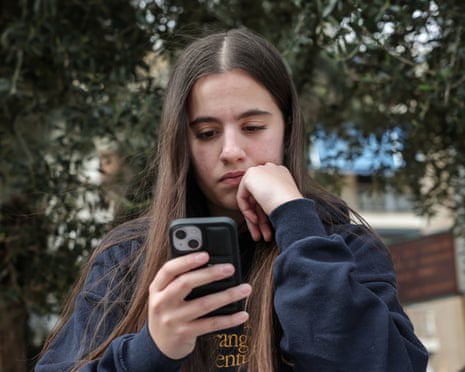
There is support for the new ban back in the country. According to ALCO, the majority of Greeks back the new measure. The main issues raised are those of cyberbullying and the addictive nature of apps. Teachers, too, have come forward stating that their students lack concentration due to night surfing.
Similar arguments can be seen developing in other European countries, including France, which has started implementing similar legislation. Australia has managed to ban underage users from accessing the internet, and several other countries, such as Spain, Denmark, Poland, and Malaysia, are considering the development of corresponding laws.
Surveys conducted in Europe demonstrate a tendency toward public acceptance of restrictions in the use of social media by children. According to a recent YouGov survey, the majority of Europeans in countries such as France, Germany, Italy, Spain, and the UK are in favor of the ban. Moreover, some figures reach almost 80% in different regions. Interestingly enough, parents of underage children constitute one of the most supportive demographics.
However, it is important to note that the general support for such measures does not indicate public conviction in their effectiveness. A survey conducted in the UK showed that over half of the participants had doubts concerning the potential success of the ban.
Paving the Way for Unified European Age Restrictions on Social Media
The problem of enforcement arises here. Children are capable of bypassing the restrictions using fake dates of birth or accessing their accounts with the help of older friends. In such cases, age control will not be efficient in its implementation. Therefore, it becomes necessary to implement the European-wide initiative.
First of all, Mitsotakis addressed his letter to Ursula von der Leyen and the European Commission with a request to work on an appropriate strategy. According to him, it will be necessary to establish a unified system for age verification by 2027.
In this situation, another question appears, how to restrict access to social networks for children? The proponents of the restriction emphasize the need to protect the health of young people and their better development in terms of behavioral skills. Opponents state that children may be deprived of certain freedoms.
Thus, the decision of Greece demonstrates the tendency towards stricter regulation regarding social media among children.
The effectiveness of the ban would be determined by its implementation. Regulations, enforcement, and parental support would all be contributing factors. At present, Greece has decided to take action despite other European nations looking on intently.