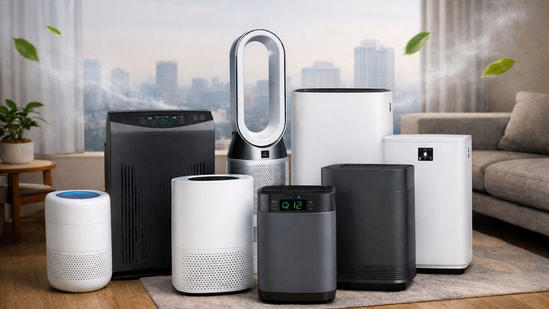
As air quality plunges to hazardous levels in large parts of India and concerns over safe drinking water persist, the GST Council may finally be ready to revisit how air and water purifiers are taxed. According to a Business Standard report, the Council is likely to discuss cutting the GST rate on household purifiers from 18 percent to 5 percent—potentially redefining these products as essential rather than discretionary.
If implemented, the move could mark a significant policy shift, acknowledging that clean air and potable water are no longer lifestyle upgrades but basic necessities in today’s India.
Credits: MSN
Why the Timing Matters Now
The renewed push comes at a time when pollution has once again dominated headlines, especially in the Delhi-NCR region, where winter smog has become a near-annual public health emergency. Access to clean drinking water, meanwhile, remains uneven across states, with contamination and infrastructure gaps affecting millions.
Officials familiar with the discussions said the proposal is under active consideration, even though the date for the next GST Council meeting remains uncertain. Queries sent to the finance ministry reportedly went unanswered before publication, adding to the suspense around the timeline.
From “Luxury” to “Life-Saving” Devices
At present, air and water purifiers attract 18 percent GST, placing them in the same tax bracket as consumer durables and non-essential goods. Industry stakeholders argue this classification is outdated.
Reclassifying purifiers as essential items would do more than just lower taxes—it would signal a policy recognition that breathing clean air and drinking safe water are foundational to public health. In a country where pollution-related illnesses are rising, the argument is becoming harder to ignore.
What It Means for Consumers
For households, the impact could be immediate and tangible. Industry estimates suggest a GST cut could lower retail prices by 10–15 percent, making purifiers significantly more affordable, especially for middle- and lower-income families.
Lower prices could also accelerate adoption beyond metros, extending into Tier II and Tier III cities where awareness is growing but affordability remains a key hurdle. For manufacturers, the move could unlock pent-up demand in a highly price-sensitive market.
A Courtroom Push Adds Urgency
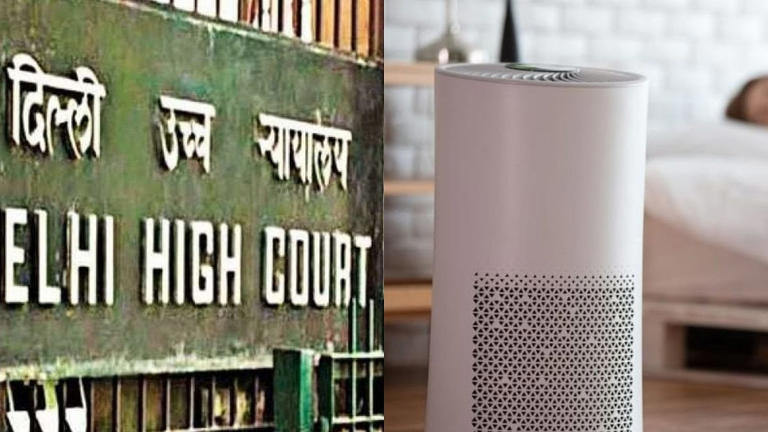
The debate gained momentum after the Delhi High Court stepped in. On December 24, the court urged the Centre to convene a GST Council meeting “at the earliest”—even virtually, if required—to examine the possibility of reducing or scrapping GST on air purifiers.
The court’s intervention has added legal weight to what was previously an industry-led demand, intensifying pressure on policymakers to act swiftly amid worsening air quality.
Centre Warns of a Slippery Slope
The government, however, has urged caution. Additional Solicitor General N Venkataraman told the court that reducing GST on purifiers could “open a Pandora’s box,” potentially triggering similar demands from other sectors seeking tax relief.
He also pointed out procedural constraints, clarifying that GST Council meetings must be held in person, not via video conferencing—a factor that could slow down decision-making despite the urgency.
Credits: MSN
States Hold the Key
Any GST rate change requires consensus among state finance ministers, many of whom remain wary of revenue losses at a time when fiscal pressures are already high. The Council last met in September during its 56th session, where tax rates on purifiers were left untouched—underscoring how complex and politically sensitive the issue remains.
A Test Case for Policy Priorities
At its core, the debate is about priorities. Should essential health-related products continue to be taxed like optional consumer goods? Or is it time for the GST framework to evolve with India’s environmental and public health realities?
When the GST Council eventually meets, its decision on air and water purifiers may set a precedent—one that reveals how India balances revenue considerations against the right to clean air and safe water.