Food bloggers are facing an existential crisis as artificial intelligence reshapes how millions of people discover and use recipes online. What was once a thriving community of passionate home cooks sharing tested recipes has become a battlefield where human creativity struggles against machine-generated content. The problems became glaringly obvious last March when Google rolled out AI Mode for search results. The technology began churning out recipes that mashed together elements from multiple creators into barely recognizable dishes.
The infamous low point came when Google’s AI failed to distinguish satire from reality, advising users to add non-toxic glue to their cooking after scraping content from The Onion.
For recipe creators who’ve spent years building their platforms, the situation has grown increasingly dire. Their carefully developed and tested recipes now appear in ChatGPT responses, often without credit and in watered-down versions.
Google, AI, and the ‘Digital Slop’ Crisis: Why Food Bloggers Fear Extinction?
AI-assembled cookbooks pop up on Etsy, while hastily built websites that mimic the look of genuine food blogs steal their content and photos. These fake sites generate revenue through advertising while offering nothing but what insiders call “digital slop.”
The cruel irony is that recipe writers have almost no legal protection. While copyright law covers the specific wording of instructions, it doesn’t protect the recipes themselves. This legal gap has left creators vulnerable to wholesale theft of their intellectual work.
Most food bloggers survive by offering free content supported by advertising revenue. Their business model depends on search traffic and social media discovery. Now they worry that casual home cooks searching for dinner ideas will confuse their authentic work with AI-generated content and lose trust in online recipe sources altogether.
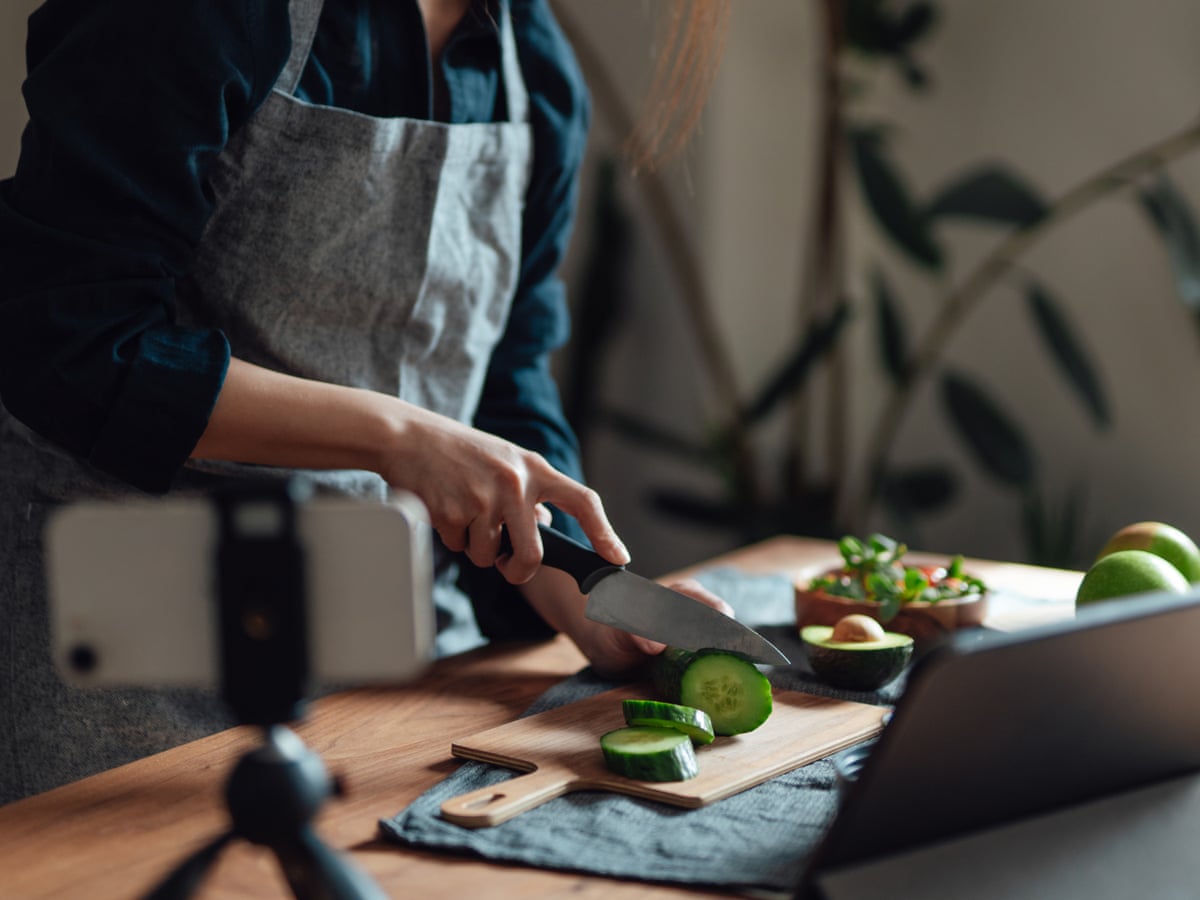
“There are a lot of people that are scared to even talk about what’s going on because it is their livelihood,” says Jim Delmage, who runs the blog and YouTube channel Sip and Feast with his wife Tara. Matt Rodbard, founder of the website Taste, puts it more bluntly: “For websites that depend on the advertising model, I think this is an extinction event in many ways.”
How AI Overviews Are ‘Synthesizing’ Away Food Bloggers’ Income?
The financial impact has been devastating for some creators. Carrie Forrest of Clean Eating Kitchen reported losing 80% of her traffic over two years. The timing couldn’t be worse, the holiday season, traditionally when food bloggers earn most of their annual ad revenue, has been slower than usual this year.
Karen Tedesco of Familystyle Food experienced the problem firsthand. When she searched Google for “Italian meatballs” using regular mode, her recipe appeared at the top.
Switching to AI Mode revealed her detailed recipe had been “synthesized” with nine other sources into a bare-bones version stripped of all the expertise and nuance that made her version special. Her recipe included guidance on meat selection, explanations of technique, and process photos. The AI version offered only ingredients and six basic steps.
“I don’t think many people are actually clicking on the source links,” Tedesco says. “At this point, they’re absolutely trusting in the results that are getting thrown in their faces.”
Adam Gallagher of Inspired Taste noticed something troubling: while Google displayed links to his site more frequently, actual visitor numbers dropped. Users appeared satisfied with AI interpretations of his recipes without bothering to visit the original source.
Bloggers feel trapped. They can block OpenAI’s training crawler, but doing so risks disappearing from web searches entirely. As Delmage puts it: “You can’t bite the hand that feeds you.”
Navigating AI, Subscriptions, and the Value of Human Expertise
Moving to subscription platforms like Substack or Patreon seems like an obvious solution, but both Tedesco and Delmage point out that successful creators on those platforms typically arrived with massive existing followings. “If I were to give up my website or even try to go over to Substack, I would be broke,” Tedesco says.
There’s a glimmer of hope. A survey of 3,000 American adults showed that increased exposure to AI actually decreased people’s desire to engage with it, with nearly half rating AI content as less trustworthy than human-created material.
For now, recipe creators are holding on to faith that some people will always value learning from real human expertise. “I’m putting my faith in that there’s always going to be a segment of people who really want to learn something,” Tedesco says. “But it’s like a rolling tide. It’s always up and down, and you have to roll with it and adapt.”