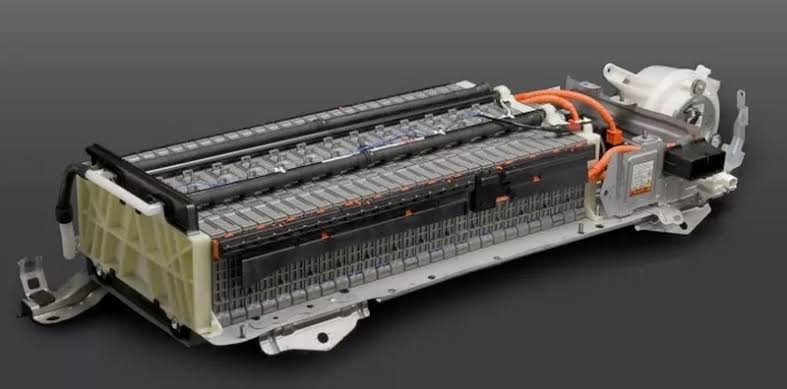
For many people considering a hybrid car, the battery is still the big question. Petrol bills may come down and city driving may feel smoother, but what happens when the hybrid battery gets old? Is it an expensive problem waiting to happen?
The short answer is reassuring: most hybrid batteries are built to last for years, often well beyond the period most owners keep their cars.
A Hybrid Battery Can Last 8 to 15 Years
In regular use, a hybrid battery can typically last between eight and 15 years. In mileage terms, many owners can expect anywhere between 1.5 lakh km and 2.5 lakh km before the battery needs serious attention.
That does not mean the battery suddenly stops working after a certain number of years. Like a smartphone battery, it gradually loses some of its ability to hold charge. The car may rely a little more on its petrol engine, and fuel efficiency may drop slightly over time. But gradual degradation is normal and does not automatically mean replacement is required.
Hybrid batteries are designed differently from batteries in phones or laptops. They operate within a controlled charge range and are constantly managed by the vehicle’s battery management system. This prevents deep charging and complete discharge, both of which can shorten battery life.
Warranty Offers a Useful Safety Net
Battery warranty is one of the clearest signs of how confident manufacturers are about hybrid technology.
Toyota Kirloskar Motor, one of India’s leading hybrid carmakers, offers an eight-year or 1,60,000 km warranty on the high-voltage battery in its hybrid electric vehicles, whichever comes first. That includes popular strong-hybrid models such as the Toyota Urban Cruiser Hyryder and Toyota Innova Hycross.
For buyers, this means the battery is not a short-term ownership concern. In fact, the warranty period itself covers the years when most families are likely to own the car.
What Affects Hybrid Battery Life?
Hybrid batteries are durable, but their lifespan can still be influenced by driving conditions and maintenance habits.
Extreme heat can put additional stress on battery cells, especially in Indian summers. Dust buildup in the battery cooling vents can also reduce cooling efficiency. In some hybrid cars, these vents are placed near the rear seat area, making it important to keep them clear.
Frequent short trips, long periods of inactivity and irregular servicing may also affect long-term battery health. The good news is that owners do not need to follow complicated charging routines because self-charging hybrids recharge their battery through regenerative braking and the petrol engine.
Simple Steps to Make It Last Longer
The best way to protect a hybrid battery is surprisingly simple: follow the service schedule.
Ask the service centre to inspect and clean the battery cooling system during routine maintenance. Avoid blocking air vents with bags, seat covers or loose items. If the car will be parked for several weeks, start and drive it occasionally rather than leaving it unused for months.
Drivers should also pay attention to warning lights, reduced fuel economy or unusual fan noise from the rear of the vehicle. These do not always point to a failing battery, but they are worth checking early.
The Bottom Line
Hybrid battery replacement is expensive, but it is not the everyday ownership nightmare many buyers imagine. Modern hybrid batteries are engineered for long-term use, protected by sophisticated cooling and battery management systems, and backed by extended warranties.
For most Indian buyers, a hybrid battery should comfortably last through the main ownership cycle of the car. The bigger decision is not whether the battery will survive. It is whether a hybrid’s higher upfront cost makes sense for your daily driving and fuel-saving goals.