Manufacturing excellence continues to evolve at an unprecedented pace, with Industry 4.0 technologies revolutionizing traditional production environments. The integration of smart manufacturing systems, IoT-enabled monitoring, and advanced data analytics has created new paradigms for operational efficiency and cost optimization. Organizations that successfully implement these digital transformation initiatives achieve significant competitive advantages while building resilient, future-ready manufacturing operations.
The convergence of lean manufacturing principles with cutting-edge digital technologies represents a particularly powerful approach to modern industrial operations. Companies that master this integration can achieve remarkable improvements in overall equipment effectiveness, throughput optimization, and waste elimination. The most successful implementations combine deep technical expertise with proven operational excellence methodologies, creating sustainable frameworks for continuous improvement and innovation.
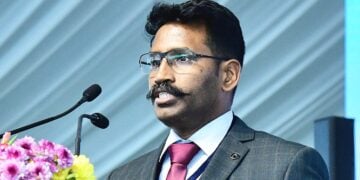
With over 15 years of experience in the automotive industry, Nithin Subba Rao has been at the forefront of this manufacturing revolution. His expertise spans operational and financial restructuring, digital transformation of shop floors, and the implementation of Industry 4.0 technologies. Nithin Subba Rao has established himself as a leader in manufacturing excellence, with a remarkable track record of delivering over $100 million in cost savings and restructuring benefits throughout his career.
Driving Digital Transformation in Manufacturing
The transformation of traditional manufacturing environments into smart, connected factories requires a strategic approach that balances technological innovation with operational excellence principles. The most effective implementations begin with a clear understanding of existing processes and identifying areas where digital solutions can deliver maximum impact.
“When implementing Industry 4.0 solutions, I focus on creating systems that enhance human capabilities rather than replacing them,” explains Nithin Subba Rao, drawing from his extensive experience in automotive manufacturing. “The key is integrating real-time data collection, predictive maintenance, and IoT-enabled monitoring systems in ways that empower operators and drive measurable improvements in plant performance.”
Successful digital transformation initiatives require careful consideration of existing infrastructure, workforce capabilities, and integration requirements with legacy systems. The approach must prioritize scalability and flexibility, ensuring that new technologies can adapt to evolving business needs while maintaining operational stability. This balanced methodology enables organizations to achieve significant productivity gains while building foundations for long-term competitiveness.
Achieving Operational Excellence Through Lean Integration
The automotive industry presents unique challenges for manufacturing excellence, with stringent quality requirements, complex supply chains, and intense cost pressures. Addressing these challenges requires sophisticated approaches that combine lean manufacturing principles with advanced technologies to create sustainable competitive advantages.
Nithin Subba Rao’s approach to operational excellence focuses on standardizing best practices across multiple facilities while implementing robust KPI management systems. “I’ve found that combining lean methodologies with smart factory initiatives creates powerful synergies,” he notes. “When you implement process optimization strategies that leverage both human expertise and data-driven insights, you can achieve double-digit improvements in throughput, overall equipment effectiveness, and labor productivity.”
The integration of lean principles with digital technologies enables more precise identification of waste, faster response to quality issues, and improved resource utilization. By establishing standardized work procedures and continuous improvement frameworks, organizations can ensure consistency across multiple sites while maintaining the flexibility to adapt to local conditions and customer requirements.
Patent-Driven Innovation in Manufacturing Processes
Innovation in manufacturing excellence extends beyond operational improvements to encompass fundamental advances in monitoring, control, and optimization methodologies. The most impactful innovations often emerge from deep understanding of production challenges combined with creative application of emerging technologies.
Nithin Subba Rao’s innovative contributions to the field are evidenced by his Nine approved patents focused on cost monitoring and continuous improvement for manufacturing processes. These patents represent practical solutions to real-world manufacturing challenges, demonstrating how systematic innovation can drive measurable business value.
The development of patentable manufacturing innovations requires deep technical expertise combined with thorough understanding of industrial processes and market needs. Successful innovation in this domain focuses on creating solutions that address specific pain points while providing scalable, implementable approaches that can be adopted across different manufacturing environments.
Building Cultures of Continuous Improvement
Creating sustainable manufacturing excellence requires more than technological implementation—it demands fundamental cultural transformation that empowers employees at all levels to contribute to continuous improvement initiatives. The most successful organizations develop comprehensive training programs and mentorship systems that embed operational excellence principles throughout the workforce.
“Building a culture of continuous improvement is essential for long-term success,” observes Nithin Subba Rao. “I’ve trained and coached cross-functional teams in lean methodologies, empowering frontline employees and fostering a culture focused on excellence and innovation. This approach ensures that improvements are sustainable and that the organization continues to evolve even as technologies and market conditions change.”
Effective cultural transformation initiatives combine formal training programs with hands-on mentorship and practical application opportunities. By engaging employees in improvement projects and providing them with tools and methodologies to identify and solve problems, organizations can create self-sustaining cycles of innovation and optimization that drive long-term competitive advantage.
Advanced ERP Integration and Financial Optimization
Modern manufacturing excellence requires seamless integration between operational systems and financial reporting, enabling real-time visibility into performance metrics and cost structures. The complexity of these integrations demands sophisticated technical expertise combined with deep understanding of business processes and reporting requirements.
Nithin Subba Rao’s experience with ERP and SAP integrations demonstrates the critical importance of aligning manufacturing operations with financial systems. “Successfully managing ERP & SAP integrations requires careful planning and execution,” he explains. “The goal is to create seamless alignment between manufacturing operations and real-time financial and operational reporting, enabling better decision-making and improved accountability across the organization.”
These integration projects often involve complex data migration, process standardization, and user training initiatives. Success requires not only technical expertise but also strong project management capabilities and deep understanding of how different organizational functions interact with integrated systems.
Leadership in Professional Manufacturing Communities
The manufacturing excellence field benefits significantly from active professional communities that share knowledge, best practices, and emerging trends. Leadership in these communities provides opportunities to influence industry standards while staying current with evolving technologies and methodologies.
Nithin Subba Rao’s leadership roles in professional organizations, including his positions with the American Society of Quality and various continuous improvement associations, demonstrate his commitment to advancing the field beyond individual organizational boundaries. His research publication on hybrid additive manufacturing for wind turbine design illustrates how academic research can inform practical manufacturing innovations.
Active participation in professional communities enables manufacturing leaders to benchmark their practices against industry standards, identify emerging trends, and contribute to the development of new methodologies that benefit the entire industry.
Future Directions in Manufacturing Excellence
The evolution of manufacturing excellence continues to accelerate, with emerging technologies creating new possibilities for optimization, automation, and innovation. The most successful organizations will be those that can effectively integrate these new capabilities while maintaining focus on fundamental operational excellence principles.
As manufacturing environments become increasingly complex and interconnected, the demand for leaders who can navigate both technical and operational challenges will continue to grow. The combination of deep technical expertise, proven operational excellence methodologies, and innovative problem-solving capabilities represents the foundation for future manufacturing leadership.
About Nithin Subba Rao
Nithin Subba Rao is a distinguished manufacturing excellence leader with over 15 years of experience in the automotive industry. He holds a Master’s degree in Mechanical Engineering from Michigan Technological University and an MBA in Operations Management, combining technical expertise with business acumen. As a Six Sigma Black Belt with nine approved patents in manufacturing process improvement, Nithin Subba Rao has demonstrated exceptional capability in driving operational transformation and cost optimization. His track record includes delivering over $100 million in cost savings and restructuring benefits while implementing Industry 4.0 technologies across multiple manufacturing facilities. Nithin Subba Rao’s expertise spans digital transformation, lean manufacturing, ERP integration, and the development of sustainable continuous improvement cultures that drive long-term competitive advantage.