Excellence in physical therapy continues to transform how healthcare professionals approach rehabilitation and functional restoration for patients across diverse medical conditions. Modern therapeutic approaches combine evidence-based techniques with personalized treatment strategies, creating rehabilitation programs that address individual needs while optimizing recovery outcomes. The most effective physical therapy practices integrate manual techniques, therapeutic exercise, patient education, and interdisciplinary collaboration to enhance mobility and quality of life for patients facing physical challenges.
The evolution of physical therapy has accelerated in recent years, with increasing emphasis on holistic approaches that consider not only physical impairments but also psychosocial factors affecting recovery. Healthcare providers who implement comprehensive rehabilitation frameworks gain significant advantages in patient outcomes, functional independence, and long-term wellness. The intersection of technical expertise and compassionate care represents a particularly powerful dimension of modern physical therapy, enabling practitioners to address complex mobility challenges while supporting patients through vulnerable recovery journeys.
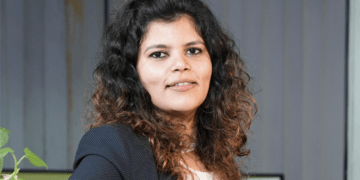
Based in Austin, Texas, Priti Nathani has witnessed this evolution throughout her decade-long career in physical therapy. With a Bachelor of Physiotherapy from Maharashtra University of Health Sciences and currently pursuing a Doctor of Physical Therapy degree at the University of Montana, Nathani combines academic knowledge with extensive practical experience. Her professional journey has been marked by significant contributions to patient care, where she has developed specialized skills in rehabilitation techniques, interdisciplinary collaboration, and patient education across diverse healthcare settings.
Personalized Treatment Planning
Developing effective physical therapy interventions requires comprehensive approaches that consider individual patients’ unique circumstances, goals, and functional needs. The most successful methodologies begin with thorough evaluations that examine not only physical impairments but also the whole person, creating foundations for truly personalized care plans.
“Developing effective treatment plans begins with thorough evaluations that consider not just the physical condition but the whole person,” explains Nathani, drawing from her experience designing rehabilitation programs. “I start by listening carefully to patients describe their challenges, goals, and daily activities. Then I conduct comprehensive assessments to identify specific impairments in strength, range of motion, balance, and functional abilities.”
Recognition that patients with similar clinical presentations may require entirely different treatment approaches based on their living environments, support systems, and personal goals enables more relevant interventions. Setting realistic, measurable objectives in collaboration with patients creates shared ownership of recovery processes, while regular reassessment allows for timely adjustments to interventions as patients progress. This personalized approach increases engagement and ultimately leads to more successful outcomes across diverse patient populations.
Navigating Complex Rehabilitation Cases
Complex rehabilitation cases present multifaceted challenges that extend beyond physical impairments to include psychological, social, and environmental factors affecting recovery. Addressing these complexities requires patient-centered approaches that build trust while systematically addressing both physical and emotional barriers to improvement.
Establishing trust and rapport provides essential foundations for working with patients facing significant life changes due to medical conditions. “I approached this by first establishing trust and rapport, spending time to understand their frustrations and fears,” Nathani notes regarding a particularly challenging stroke rehabilitation case. “Rather than pushing too hard initially, I focused on small, achievable goals to build confidence.”
Focusing on small, achievable goals builds confidence during early intervention phases, creating psychological momentum for more challenging therapeutic activities. Incorporating patients’ personal interests into treatment plans, such as adapting gardening activities for therapeutic purposes, makes rehabilitation more meaningful and motivating. Involving family members through education about appropriate assistance techniques and environmental modifications creates supportive recovery environments beyond clinical settings. These comprehensive approaches address both the physical and psychosocial dimensions of complex cases, enabling patients to progress from significant functional limitations to renewed independence.
Interdisciplinary Collaboration Approaches
Effective healthcare delivery, particularly for complex rehabilitation cases, depends on seamless collaboration across diverse professional disciplines. Physical therapists function as integral members of larger healthcare teams, requiring strategic approaches to communication and coordination with physicians, nurses, occupational therapists, speech therapists, and other specialists.
“Effective healthcare depends on seamless interdisciplinary collaboration. I view myself as one piece of the patient’s healthcare puzzle,” Nathani observes from her experience navigating multidisciplinary care environments. “Regular communication with physicians, nurses, occupational therapists, speech therapists, and home health agencies is essential to ensure comprehensive care.”
Prioritizing clear, concise communication about patient progress, challenges, and needs ensures all team members work from shared understanding of current status and objectives. Initiating case conferences for complex cases brings together different perspectives, creating more comprehensive treatment approaches than any single discipline could develop independently. Serving as liaison between patients and healthcare providers helps translate medical information into understandable terms while ensuring patient concerns receive appropriate attention. This collaborative framework ensures aligned goals and unified strategies across disciplines, ultimately enhancing patient outcomes through coordinated care delivery.
Adapting Practice During Healthcare Challenges
The COVID-19 pandemic created unprecedented challenges for rehabilitation professionals, requiring rapid adaptation of therapeutic approaches while maintaining safety and efficacy. These extraordinary circumstances demanded innovative solutions to continue providing essential care while protecting both patients and providers during uncertain times.
Implementing enhanced safety protocols including appropriate personal protective equipment, rigorous sanitization procedures, and modified treatment techniques enabled continued in-person care when necessary. “I had to adapt my therapeutic approach to address the unique challenges presented by post-COVID patients, including respiratory limitations, profound fatigue, and anxiety,” Nathani explains, highlighting specialized interventions developed for this emerging patient population. “I developed specialized interventions focusing on gradual respiratory endurance building, energy conservation techniques, and modified strength training that accommodated these new limitations.”
Creating detailed home exercise programs with visual aids supported patients between clinical sessions, while regular telephone check-ins maintained therapeutic relationships when in-person visits weren’t possible. These adaptations demonstrated the importance of flexibility and innovation in healthcare delivery, developing new approaches that continue benefiting practice beyond immediate crisis periods. The resilience and creativity shown throughout these challenges have established valuable frameworks for addressing future healthcare disruptions while maintaining continuity of care.
Patient Education and Empowerment
Patient education represents a fundamental component of successful physical therapy outcomes, transforming patients from passive recipients of care to active participants in recovery processes. Empowering patients with knowledge about their conditions and treatment approaches creates engagement and consistency that significantly enhances rehabilitation effectiveness.
“I believe that empowering patients with knowledge is as important as the hands-on therapy itself,” Nathani notes regarding the centrality of education in her therapeutic approach. “What I’ve observed is that patients who truly understand their condition and treatment process are more engaged, consistent with their home exercises, and ultimately achieve better outcomes.”
Developing customized educational materials with clear illustrations makes complex information more accessible across diverse learning styles and health literacy levels. Using relatable analogies that connect to patients’ life experiences helps translate abstract medical concepts into understandable frameworks. Having patients demonstrate techniques reinforces learning while providing opportunities to correct misunderstandings before they affect home practice. Including family members and caregivers in educational processes creates supportive environments that reinforce therapeutic principles beyond clinical settings. These educational approaches transform rehabilitation from isolated clinical interventions to integrated lifestyle modifications that support long-term functional improvement and independence.
About Priti Nathani
Priti Nathani is a Senior Physical Therapist with a passion for rehabilitative care and a strong educational foundation in physiotherapy. Currently pursuing a Doctor of Physical Therapy degree at the University of Montana, Priti has provided over 20,000 hours of one-on-one physical therapy care since 2013. Her expertise includes manual therapy, therapeutic exercise, functional training, and pain management. A multilingual professional fluent in English, Hindi, Marathi, and conversational Medical Spanish, Priti has been recognized with multiple awards for her exceptional patient care and dedication. Her commitment to serving underserved communities is demonstrated through her pro bono work and adaptability in challenging healthcare environments.