The modern enterprise landscape demands architects who can seamlessly bridge the gap between cutting-edge cloud technologies and practical business solutions. As organizations across industries undergo digital transformation, the need for experienced professionals who understand both technical excellence and business requirements has never been greater. The most successful implementations combine deep technical expertise with a nuanced understanding of industry-specific challenges, particularly in sectors like insurance, healthcare, and utilities where reliability and compliance are paramount.
Microsoft Azure has emerged as a dominant force in enterprise cloud adoption, with organizations seeking certified architects who can design scalable, secure, and efficient solutions. The evolution from traditional on-premises infrastructure to cloud-native architectures requires not just technical knowledge, but also the leadership skills to guide development teams through complex migrations and implementations. This transformation demands professionals who can navigate the intricacies of modern development methodologies while maintaining the highest standards of code quality and system reliability.
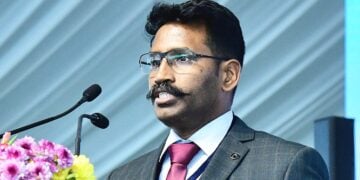
With 13 years of experience building robust enterprise systems, Saatwik Gilakattula has established himself as a distinguished Microsoft Azure certified architect. His extensive background spans multiple critical industries including insurance, retail, healthcare, and public utilities, where he has consistently delivered cloud solutions that align technology capabilities with business objectives. Saatwik’s expertise in the .NET ecosystem, combined with his experience leading agile development teams, positions him as a leader who understands both the technical and human elements of successful software delivery.
Architecting Scalable Enterprise Solutions
Building enterprise-grade applications requires a sophisticated understanding of both current technologies and future scalability requirements. The most effective approaches prioritize architectural decisions that support long-term growth while maintaining operational efficiency and security standards that meet enterprise compliance requirements.
“Following agile methodologies has been crucial in delivering MVP solutions for mission-critical applications within tight turnaround times,” explains Saatwik, reflecting on his experience leading development teams. “The key is balancing rapid delivery with robust architectural foundations that can scale as business needs evolve.”
His approach to enterprise architecture emphasizes the creation of reusable components and APIs that serve multiple applications across organizations. This strategy proved particularly effective in developing common file upload APIs using ASP.NET Core Web API, which were consumed as REST services by numerous applications across large enterprises. Such architectural decisions demonstrate the importance of thinking beyond individual project requirements to create infrastructure that benefits entire organizations.
The transition from legacy systems to modern cloud-native architectures presents unique challenges that require both technical expertise and strategic thinking. Successfully migrating .NET Framework applications to .NET Core involves not just code conversion, but reimagining application architecture to leverage cloud capabilities while maintaining existing functionality and performance standards.
Mastering Azure Cloud Services
Microsoft Azure’s comprehensive service ecosystem provides powerful tools for building modern applications, but leveraging these services effectively requires deep understanding of their capabilities and optimal use cases. The most successful implementations combine multiple Azure services in architectures that maximize both performance and cost efficiency.
Saatwik’s extensive work with Azure services demonstrates the importance of selecting the right tools for specific business requirements. His experience spans critical services including Azure Storage for scalable data management, Azure Key Vault for secure secrets management, Azure API Management for robust API governance, and Azure Service Bus for reliable messaging between distributed components.
“Extensive use of Azure services like Storage, Key Vault, APIM, and Service Bus has been fundamental to building scalable enterprise applications,” notes Saatwik, highlighting the importance of understanding how different services complement each other in complex architectures.
The integration of Azure Functions with blob triggers exemplifies how serverless computing can address specific business needs efficiently. This approach allows applications to respond automatically to file uploads, enabling real-time processing workflows without maintaining dedicated infrastructure. Such implementations showcase the power of event-driven architectures in modern cloud applications.
Working with Azure Cosmos DB and Entity Framework Core for data management requires understanding both the capabilities of NoSQL databases and the integration patterns that work effectively with existing relational database knowledge. This hybrid approach allows organizations to leverage the best of both worlds while maintaining data consistency and performance standards.
Leading Development Teams and Best Practices
Technical leadership in modern software development extends far beyond individual coding skills to encompass team mentorship, code quality enforcement, and stakeholder communication. The most effective technical leaders create environments where teams can deliver high-quality solutions while continuously improving their skills and processes.
Saatwik’s experience leading and mentoring scrum teams demonstrates the importance of combining technical guidance with process improvement. Regular sprint demos to both technical and business stakeholders ensure alignment between development efforts and business objectives, while code reviews maintain architectural standards and knowledge sharing across team members.
“Enforcing proper coding standards through code reviews has been essential for maintaining best practices and ensuring scalable architecture,” observes Saatwik, emphasizing the role of peer review in maintaining code quality standards.
The implementation of role-based security using .NET Core’s authorization filters showcases how security considerations must be integrated throughout the development process rather than treated as an afterthought. This approach ensures that applications meet enterprise security requirements while providing the flexibility needed for different user roles and permissions.
Managing production issues requires both technical problem-solving skills and communication abilities to keep stakeholders informed throughout resolution processes. Successful technical leaders develop systematic approaches to incident response that minimize business impact while implementing long-term solutions to prevent recurrence.
Innovation in Healthcare Technology
The healthcare technology sector presents unique opportunities for impactful software development, where technical excellence directly contributes to improved patient care and operational efficiency. Applications in this domain must balance innovation with stringent regulatory requirements and the critical nature of healthcare operations.
Saatwik’s work on a leading medical devices manufacturer’s cutting edge technology product related to Overhead Tube Crane (OTC) illustrates the complexity of modern healthcare applications. This system combined web-based interfaces displaying patient information with X-ray imaging capabilities, requiring real-time synchronization between multiple screens using SignalR technology.
The architectural challenges in healthcare applications extend beyond typical enterprise requirements to include real-time data synchronization, medical device integration, and user interfaces designed for clinical workflows. These systems must operate reliably in high-pressure environments where downtime can directly impact patient care.
Implementing internationalization support for medical applications demonstrates the global nature of healthcare technology, where applications must serve diverse user bases while maintaining consistency in critical functionality. This attention to localization requirements reflects the comprehensive thinking required for successful healthcare technology implementations.
Enterprise Utility Solutions
The utility sector represents one of the most demanding environments for enterprise software development, where systems must handle millions of customers across vast service territories while maintaining the reliability that modern cities depend upon. In this critical infrastructure domain, applications must seamlessly integrate with complex legacy systems while providing the scalability needed for urban growth.
Saatwik’s current role as Senior Systems Engineer and Cloud Architect at a major utility company serving nearly 9 million residents demonstrates the scale and complexity of modern utility operations. Working with systems that power critical infrastructure including finance, health, and transportation networks requires architectural approaches that prioritize both performance and reliability.
His responsibilities encompass the full development lifecycle, from analyzing business requirements and documenting technical improvements to implementing scalable backend services using ASP.NET Core and SQL Server. This comprehensive approach ensures that utility applications can handle the demanding requirements of urban infrastructure while maintaining the flexibility needed for future enhancements.
The implementation of role-based access control and API security measures reflects the critical nature of utility systems, where unauthorized access could impact essential services for millions of residents. These security considerations, combined with robust monitoring through Azure Application Insights, demonstrate the sophisticated approach required for mission-critical utility applications.
Continuous Learning and Technology Evolution
The rapid pace of technological advancement in cloud computing and software development requires dedicated approaches to continuous learning and skill development. Successful practitioners combine formal learning with hands-on experimentation to stay current with emerging technologies and best practices.
Saatwik’s progression through different technologies and frameworks illustrates the importance of adapting to evolving industry standards while maintaining deep expertise in core areas. His experience spans from traditional web development using jQuery and MVC to modern cloud-native applications built with .NET Core and Angular, demonstrating successful navigation of technological transitions.
The evolution from WPF desktop applications to modern web-based solutions reflects broader industry trends toward browser-based interfaces and cloud deployment models. Understanding these transitions helps architects make informed decisions about technology choices that will serve organizations effectively over time.
Working with diverse industries including insurance, healthcare, retail, and public utilities provides valuable perspective on how technology solutions must be adapted to meet specific sector requirements. This cross-industry experience enables more effective solution design by understanding how different business contexts influence technical requirements.
About Saatwik Gilakattula
Saatwik Gilakattula is a distinguished Microsoft Azure certified architect with 13 years of experience building robust enterprise systems across insurance, retail, healthcare, and public utility sectors. His expertise in implementing cloud solutions using the .NET ecosystem has enabled organizations to achieve significant improvements in scalability, reliability, and operational efficiency. Saatwik’s technical proficiency encompasses the full Microsoft Azure stack, including Azure Storage, Azure Key Vault, Azure API Management, Azure Service Bus, and Azure Functions, combined with extensive experience in modern development frameworks like .NET Core and Angular. His leadership in agile development teams, commitment to code quality through rigorous review processes, and ability to translate complex technical concepts for business stakeholders make him a valuable asset for organizations undertaking digital transformation initiatives.