In a dramatic escalation of tensions in the Middle East, Iran has reportedly declared all business interests linked to billionaire entrepreneur Elon Musk in the region as legitimate military targets. The announcement, attributed to Iranian state media, specifically named SpaceX’s Starlink satellite internet infrastructure and other Musk-affiliated facilities as potential targets in what Tehran describes as retaliation against alleged US military actions.
The move marks a significant expansion of the ongoing geopolitical confrontation, bringing private technology companies into the center of an increasingly volatile conflict. If carried out, such actions could have far-reaching consequences for regional security, global communications networks, and the role of private corporations in international disputes.
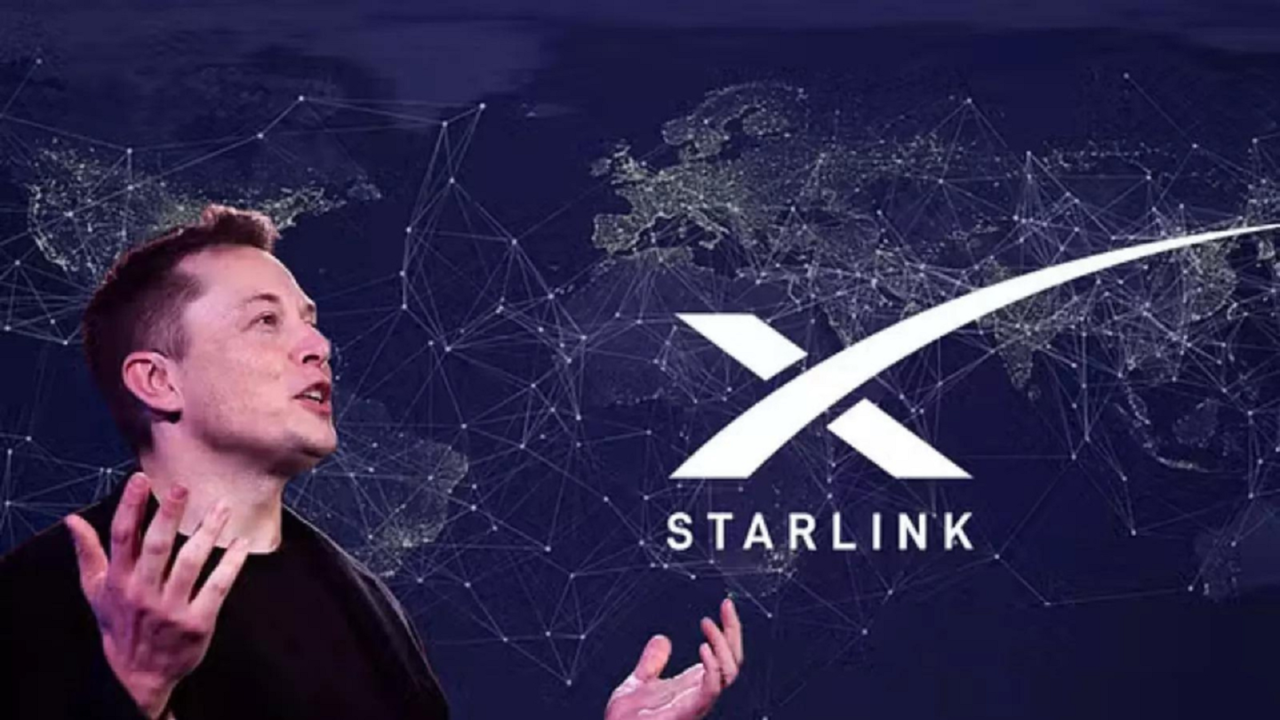
Credits: The Times of India
Why Starlink Is in Iran’s Crosshairs
According to Iranian state media, Tehran believes that Starlink has played a role in supporting US military operations in the region. Iranian officials allege that the satellite internet service has assisted aerial attack drones, surveillance platforms, and unmanned maritime vessels involved in operations targeting Iranian interests.
An informed source quoted by state media stated that the Islamic Republic reserves the right to strike all facilities connected to Musk-managed enterprises across the region and what it referred to as “occupied territories.”
Iran further accused the United States of committing war crimes against the country with support from companies linked to Musk. While these allegations have not been independently verified, they reflect growing concerns in Tehran over the increasing overlap between advanced commercial technologies and military operations.
Which Facilities Could Be at Risk?
The threat is not limited to a single location. Starlink maintains ground infrastructure and operational facilities in several Middle Eastern countries, including Qatar, Jordan, the United Arab Emirates, and Oman.
These installations are essential for supporting satellite-based internet services across the region. Any attack on such facilities could disrupt communications and potentially affect businesses, government agencies, and consumers that rely on Starlink connectivity.
More concerning is Iran’s suggestion that any Musk-affiliated asset in the region could be considered a legitimate target. This broad language raises questions about the security of facilities associated with other Musk-led ventures and whether regional governments may need to increase protective measures.
Rising Tensions Between Washington and Tehran
The threat emerged against the backdrop of rapidly escalating tensions between Iran and the United States.
US President Donald Trump had earlier issued a stark warning on social media, suggesting that Iran could face a severe military response. The warning came after accusations that Iran was responsible for shooting down a US Army helicopter over the Strait of Hormuz, a strategically vital waterway through which a significant portion of the world’s oil supply passes.
The incident reportedly triggered retaliatory US strikes and a series of military exchanges, pushing the region closer to a broader confrontation. Diplomatic efforts appeared increasingly fragile as both sides exchanged accusations and military threats.
A Surprise Turn Toward Diplomacy
Despite the heated rhetoric and military posturing, events took an unexpected turn. Trump later announced that planned US strikes against Iran had been cancelled.
According to the US president, negotiations had produced progress toward a peace agreement, with “final points” reportedly approved by multiple regional and international stakeholders. Trump claimed that countries including Israel, Saudi Arabia, the UAE, Qatar, Turkey, Pakistan, Bahrain, Kuwait, Jordan, and Egypt had signed off on key elements of the proposed framework.
While details of the agreement remain limited, the development offered a rare glimmer of hope amid fears of a wider regional conflict.

Credits: Moneycontrol
Technology Firms Become Strategic Targets
Iran’s warning highlights a growing reality of modern warfare: private technology companies are increasingly becoming strategic players in geopolitical conflicts.
From satellite communications and artificial intelligence to cybersecurity and drone technologies, commercial firms now possess capabilities once reserved for governments and militaries. As a result, they are becoming more deeply intertwined with national security issues.
For Elon Musk and his companies, the latest threat underscores how global technology networks can find themselves caught in the middle of international power struggles. Whether the situation escalates further or diplomatic efforts prevail, the episode serves as a reminder that in today’s interconnected world, the line between commercial infrastructure and strategic assets is becoming increasingly blurred.