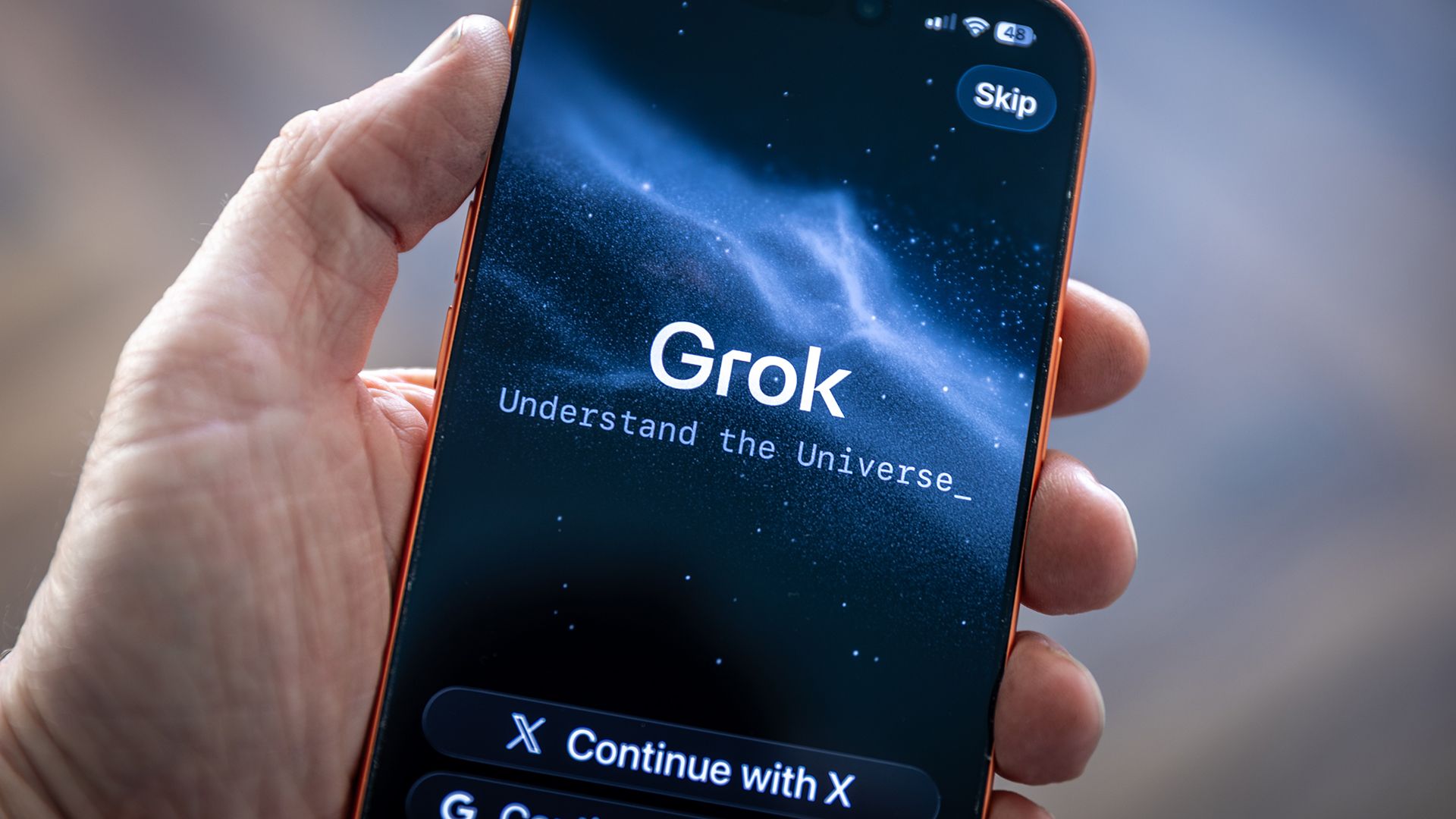
Sir Keir Starmer has told parliament that he welcomes an indication that social media platform X is taking steps to address concerns about sexualized deepfakes being produced using their chatbot, Grok, which uses artificial intelligence.
During Prime Minister’s Questions, Sir Keir revealed that he had been told that X was “acting to ensure full compliance with UK law” following outrage over explicit images created by AI and shared on this platform.
However, this later proved to be false as it had been revealed that Downing Street had no communication with this company and that it was simply acting on media reports.
The scandal has resulted in a public outcry and immediate action by regulatory bodies and the authorities. Ofcom, which is a communications authority in the UK, initiated a probe into X yesterday in response to “deeply concerning reports” of Grok’s use in producing uncovered pictures of individuals and sexualized pictures of minors.
UK Government Pressures X as Grok AI Restricts Sexualised Image Generation
According to reports in The Telegraph, Grok has now stopped responding to requests for sexualised images of women and girls. The BBC approached X for comment on both the reports and the Prime Minister’s remarks but has yet to receive a response.
X had earlier addressed the issue through a statement posted by its Safety account, warning that “anyone using or prompting Grok to make illegal content will suffer the same consequences as if they upload illegal content.”
She highlighted the issue in the parliamentary session with Labour MP Emily Darlington, and Sir Keir described the images as “disgusting” before calling on MPs to back Ofcom as it takes action if X fails to comply with UK law.
“To update the House, I have been informed this morning that X is acting to ensure full compliance with UK law,” Sir Keir told MPs. “If so, that is welcome, but we’re not going to back down, and they must act.”
He added that the government would “take the necessary measures” and was prepared to strengthen existing laws and introduce new legislation if needed. He emphasised that Ofcom would continue its independent investigation regardless.
Following his remarks, the Prime Minister’s official spokesman walked back the suggestion of direct contact with X. “What the prime minister said in the House is that there has been some indication that X has taken action to address the issues raised,” the spokesman said, adding: “If so, that is welcome, so it’s a qualified welcome.”
The government has already indicated that it will impose a ban on those who produce non-consensual deepfake pornography, showing increasing concerns regarding non-consensual AI technology that generates pornographic pictures.
Under the Microscope: X Faces Ofcom Scrutiny Over AI and UK Safety Laws
The implications for X in this investigation are severe. If X is deemed to have violated the law, the consequences are that it shall be fined a penalty of up to 10% of its global revenue for that year or £18 million, whichever is more.
If X does not abide by any requirements given to it, Ofcom may take the necessary legal steps to compel internet service providers in the UK to block users from accessing X.
The incident was responded to by X’s owner, Elon Musk, in a posting on Wednesday, where he stated that “I’m not aware” of any naked pictures of underage individuals being created by this Grok AI program. According to Musk, “the operating principle for Grok is to obey the laws of any country or state.”
The controversy represents a larger concern regarding the need to keep up with the development of AI technology in order to avoid misuse of the technology by society. Deep fake tech refers to the use of artificial intelligence in creating realistic images or videos that can be fake. The tech has become more advanced over the years.
Though there are some creative applications of AI tools, the potential these tools have in creating non-consensual pornography has raised concerns among lawmakers, child protection advocates, and technology ethicists.
The UK Government’s reaction is reflective of the increasing tendency among policymakers that tech firms must now be held responsible for content posted on their sites, especially that which relates to the exploitation and sexualization of individuals without their consent.
As time passes, it will become clear whether X has in fact adapted to UK law within Grok or simply adjusted their business practices to satisfy regulatory pressures.