In a bold move that underscores its ambition to dominate the electric two-wheeler market, Ola Electric Mobility Ltd. has filed a massive Rs 400 crore claim under the government’s Production Linked Incentive (PLI) scheme for FY25. This is not just a routine paperwork update—it signals Ola’s aggressive strategy to boost its manufacturing prowess and financial muscle at a time when the electric vehicle (EV) industry is heating up in India.

What’s All the Buzz About the PLI Scheme?
The PLI scheme, launched by the Indian government in 2021 with an eye on strengthening local manufacturing, offers attractive incentives to companies that deliver higher production with strong localisation practices. The scheme’s core goal is simple yet powerful: cut down India’s reliance on imports and make domestic manufacturing globally competitive.
Under the program, automakers get rewarded based on incremental sales growth and adherence to strict localisation rules. For Ola Electric, the current claim is backed by Rs 3,000 crore of eligible sales, translating into an expected incentive of 13–14 percent—a massive boost in a fiercely competitive business.
These funds are more than just numbers on paper. They’re lifelines that can help Ola reinvest in cutting-edge technology, ramp up production, and strengthen its supply chain—all while keeping costs in check.
Ola’s Winning Streak in the PLI Game
What makes Ola’s story so remarkable? In FY24, it was the only electric two-wheeler OEM to qualify for the PLI incentives—a huge endorsement of its localisation strategy and regulatory compliance. Fast forward to FY25, and Ola has once again emerged as the top filer in the category.
It’s not luck. It’s strategy, planning, and execution. To qualify, companies must clear stringent audits, meet local content requirements, and demonstrate solid supply chain integration. Ola’s consistent presence at the top reflects its unwavering focus on manufacturing excellence and long-term vision.
The Gen 3 Scooter Portfolio: Ola’s Secret Weapon
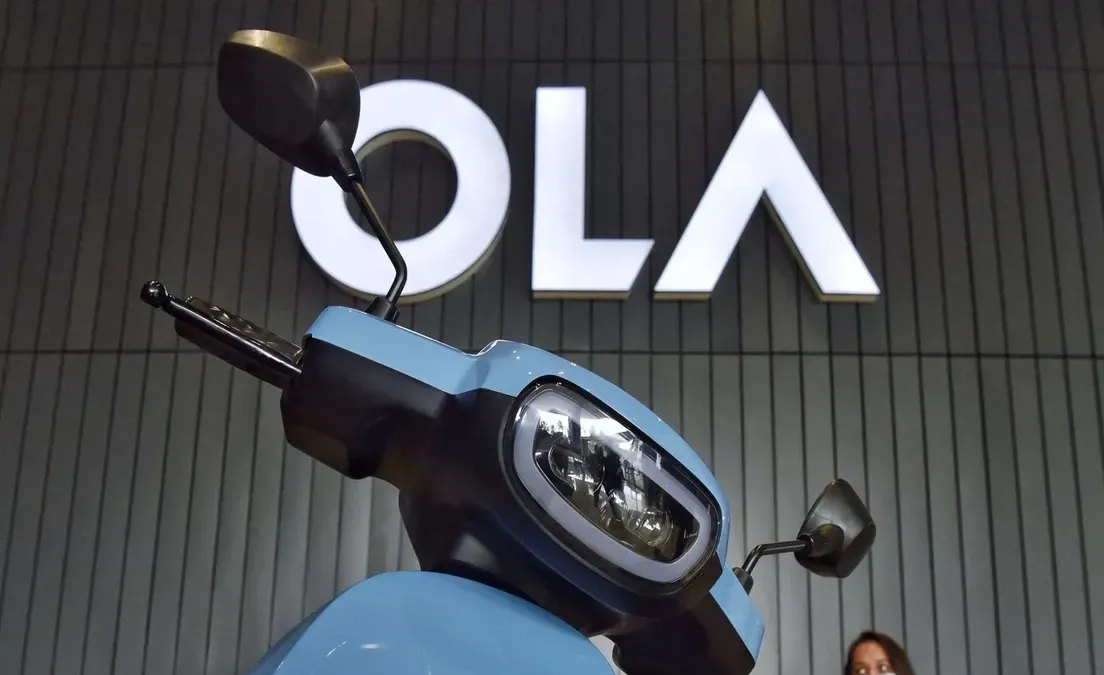
A big part of Ola’s success under the PLI scheme comes from its Gen 3 scooter portfolio, especially the high-selling S1 line-up. These models have struck a chord with urban commuters seeking affordable and sustainable mobility.
Recently, Ola secured certification of compliance for its Gen 3 models, confirming they meet all PLI norms. Why does this matter? Because it directly strengthens Ola’s profit margins. From Q2 of FY26 onward, Ola expects to enjoy healthier margins thanks to the PLI payout, further fueling its ability to compete aggressively and innovate faster.
A History of PLI Success — And What’s Next
This Rs 400 crore claim isn’t Ola’s first rodeo. In March 2025, the company had already pocketed an incentive of Rs 73.7 crore under the same scheme. But this time, the stakes are much higher. The new claim is poised to significantly improve Ola’s liquidity, helping the company navigate industry challenges—whether it’s supply chain disruptions, rising material costs, or tough competition from players like Ather Energy and Hero Electric.
The expected payout will give Ola breathing room to expand production, optimize pricing, and potentially roll out exciting new models, keeping its customers and investors happy.
The Road Ahead: Accelerating India’s EV Revolution
In this article, we explored how Ola Electric is smartly leveraging the government’s PLI scheme to stay ahead of the curve. As India pushes toward an electric future, players who align closely with policy incentives and manufacturing localization will thrive.
With Rs 400 crore in sight and a robust product portfolio, Ola is gearing up for a game-changing phase—positioning itself not just as an EV player, but as a pioneer in India’s green mobility revolution.
Watch this space. The future is electric, and Ola is revving up to lead the charge