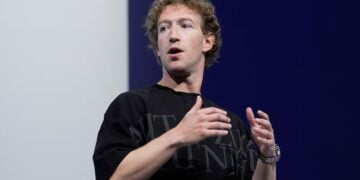
At a time when artificial intelligence is being accused of taking away jobs and threatening economic stability, OpenAI CEO Sam Altman has delivered a view that sharply contrasts with the prevailing anxiety. Speaking on the Huge If True podcast, Altman said that if he were graduating from college today, he would “feel like the luckiest kid in all of history.” His confidence, he explained, stems from the unprecedented tools and opportunities available to young people in the age of advanced AI models like GPT-5.
Altman acknowledged that some job categories will vanish entirely as AI becomes more capable, with predictions that half of entry-level white-collar roles could be automated in the next five years. Yet he sees this as part of a long historical pattern in which younger generations adapt more quickly to technological changes. His greater concern is for older workers—particularly those around retirement age—who may resist retraining or find it more difficult to adjust.
For Generation Z, Altman believes AI will open doors to creation, entrepreneurship, and innovation that were unimaginable even a decade ago. He imagines individuals launching billion-dollar companies or producing world-class products without the need for massive teams. This ability, he says, stems from the growing capacity of AI systems to support everything from software development to creative projects at a pace and scale once reserved for large corporations.
However, Altman is not blind to the disruption this will cause. He admitted that new roles will emerge that are “super well-paid” and “super interesting,” but the transition period could be turbulent. Other experts, such as former Google X executive Mo Gawdat, take a far darker view, predicting that AI will dismantle the middle class, cause widespread social unrest, and disrupt society well before the decade is over.
Beyond the job market, Altman also discussed the challenge of truth in a world flooded with AI-generated content. He foresees a gradual shift in public perception of what is considered “real,” comparing it to how smartphone photos already involve computational processing. In his view, adaptation will require humility, openness to change, and active engagement with the tools shaping the future.