

Billionaire investor and PayPal co-founder Peter Thiel has criticised Apple for failing to deliver major technological breakthroughs since the death of its co-founder Steve Jobs in 2011. Thiel argued that the company has largely focused on expanding its existing products, strengthening its brand and growing its business rather than introducing transformative innovations comparable to the original iPhone.
Thiel shared his views during a conversation with author Walter Isaacson on The Builders podcast. The interview, recorded in September and released on October 22, examined Apple’s innovation strategy and its direction following Jobs’ death.
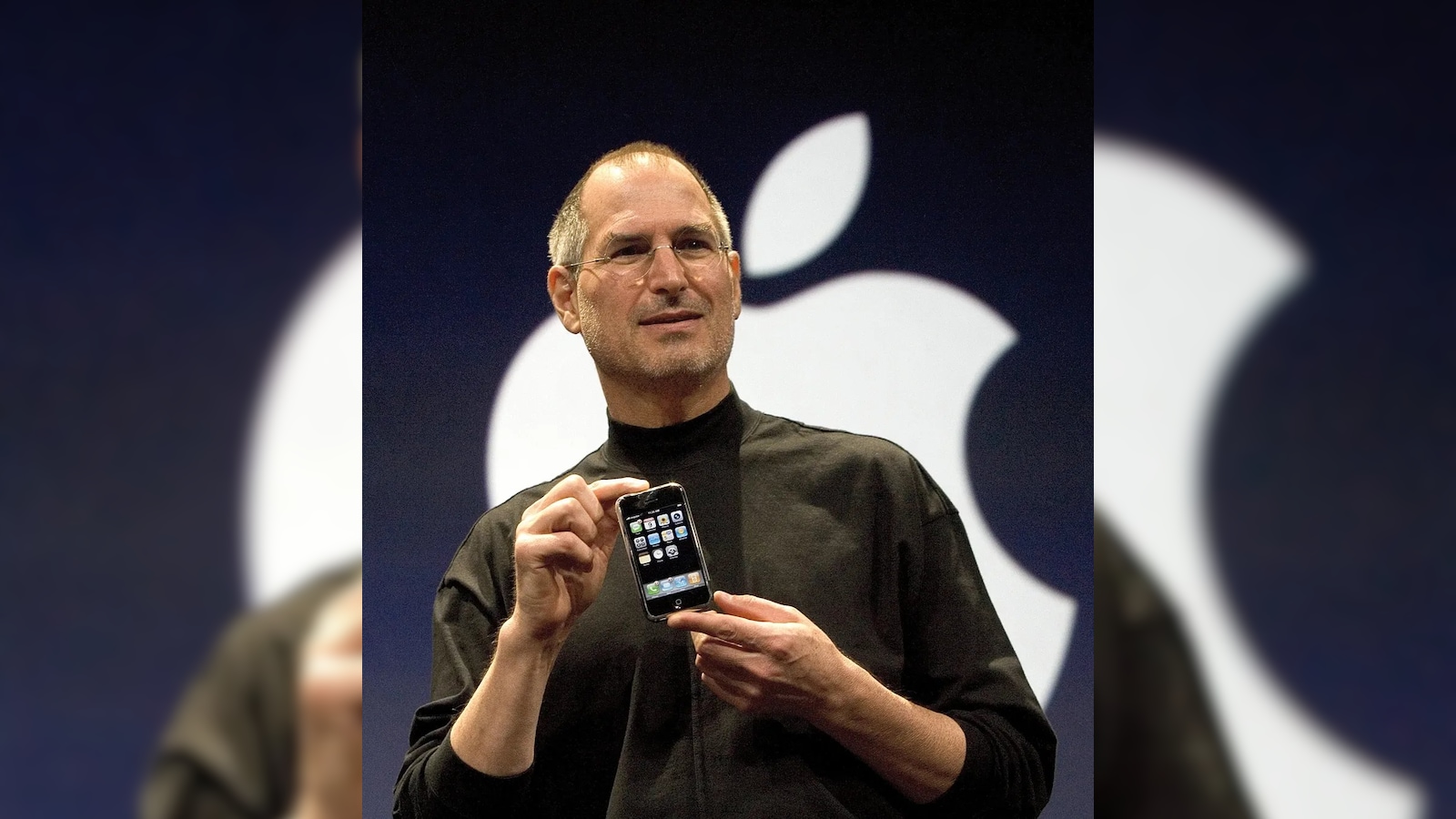
“In my telling, it did nothing new after Jobs,” Thiel said, arguing that the original iPhone represented such a significant technological achievement that Apple had struggled to produce another breakthrough of comparable importance.
His remarks have reignited debate about Apple’s innovation record, particularly as technology companies compete to establish leadership in artificial intelligence and other emerging markets.
Thiel Questions Apple’s Innovation Strategy
Thiel’s criticism centres on the difference between improving existing products and introducing technologies that fundamentally change how people live and work.
Apple launched the first iPhone in 2007 under Jobs’ leadership, combining a mobile phone, an internet-connected device and an iPod into a single product. The device transformed the smartphone industry and helped establish a new model for mobile computing.
Following Jobs’ death in 2011, Apple continued expanding its product portfolio and services business. The company introduced products such as the Apple Watch and AirPods while strengthening its position in smartphones, computers and digital services.
However, Thiel believes these developments have not matched the significance of the original iPhone. He argued that Apple has concentrated on scaling its operations, developing its brand and refining established products rather than creating entirely new technological categories.
His assessment raises a broader question about how innovation should be measured. Incremental improvements can make products more useful, accessible and efficient, but they do not necessarily transform industries in the way the original iPhone did.
For Thiel, Apple’s commercial success does not automatically demonstrate that the company remains a leader in groundbreaking innovation.
Apple Continues to Grow Under Tim Cook
Despite Thiel’s criticism, Apple has remained one of the world’s most successful technology companies under chief executive Tim Cook.
Cook took over leadership following Jobs’ death and focused on expanding Apple’s global reach, improving operational efficiency and strengthening its supply chain. The company also developed its services business, generating revenue from subscriptions, digital payments and other offerings.
Apple Watch, AirPods and Apple Pay became important additions to its ecosystem. The company also transitioned Mac computers to Apple-designed processors, improving integration between its hardware and software.
These developments demonstrate that Apple has continued investing in technology and expanding its product portfolio. However, critics argue that the company’s achievements have largely built on its existing ecosystem rather than creating a new category with the transformative impact of the iPhone.
Thiel described Apple as a “pure, well-run value stock”, acknowledging its strong business operations while questioning its broader contribution to technological progress.
His comments distinguish financial performance from innovation. A company can remain profitable, expand its customer base and strengthen its market position without necessarily producing revolutionary technologies.
Thiel Prefers the Leadership Styles of Jobs and Musk
Thiel also compared Apple’s leadership under Cook with the approaches associated with Jobs and Elon Musk.
“I would still say somehow Elon or Steve Jobs are way better for society than Tim Cook,” Thiel said.
The comparison reflects his preference for leaders who pursue ambitious technological projects and attempt to challenge established industries.
Jobs was closely involved in product development and became known for his emphasis on combining technology, design and consumer experience. Musk has pursued projects spanning electric vehicles, space exploration and artificial intelligence.
Cook, by contrast, has focused heavily on operational management and expanding Apple’s existing businesses.
However, the difference in leadership styles does not necessarily mean that one approach produces better results in every situation. Developing entirely new technologies involves considerable uncertainty, while scaling established products can create significant economic value and make technology accessible to more consumers.
Apple’s performance under Cook illustrates the effectiveness of the latter strategy, even as critics question whether it can sustain the company’s reputation for innovation.
Artificial Intelligence Presents a New Challenge
Thiel’s remarks come as Apple faces growing pressure to demonstrate its capabilities in artificial intelligence.
AI companies are developing increasingly sophisticated assistants, language models and tools that can perform tasks involving writing, research, programming and information analysis. These developments are changing expectations about how consumers interact with technology.
Apple has been working to integrate AI capabilities into its devices and improve Siri, its voice assistant. However, delays and concerns about the pace of its AI development have raised questions about whether the company can compete effectively with rivals.
The shift towards AI could offer Apple an opportunity to introduce a fundamentally different computing experience. Instead of relying primarily on applications and traditional interfaces, future devices could allow users to complete complex tasks through conversational assistants and intelligent software.
Apple’s challenge will be to translate these capabilities into products that offer practical benefits while maintaining its focus on privacy, reliability and integration across devices.
A successful AI strategy could help the company demonstrate that it remains capable of delivering meaningful technological advances. Failure to keep pace, however, could strengthen criticism that its innovation model has become too dependent on existing products.
Can Apple Deliver Another Breakthrough?
Thiel has expressed doubts about Apple’s future before. In 2017, he suggested that the company’s era was over, arguing that smartphones offered limited opportunities for further technological breakthroughs.
Apple’s subsequent growth has demonstrated the resilience of its business model. Nevertheless, his latest comments raise questions about whether the company can continue expanding without creating another defining product category.
Apple retains significant advantages, including a loyal customer base, a global distribution network and substantial resources for research and development. These strengths provide a foundation for pursuing new opportunities in AI, wearable technology and other emerging markets.
Ultimately, the debate is about more than Apple’s financial performance. It concerns whether the company can reproduce the kind of technological shift that made the iPhone one of the most influential consumer products of the modern era.
For now, Apple remains commercially successful, but Thiel’s criticism highlights the challenge facing its leadership: proving that the company can do more than refine its existing products and deliver another breakthrough that changes the technology industry.