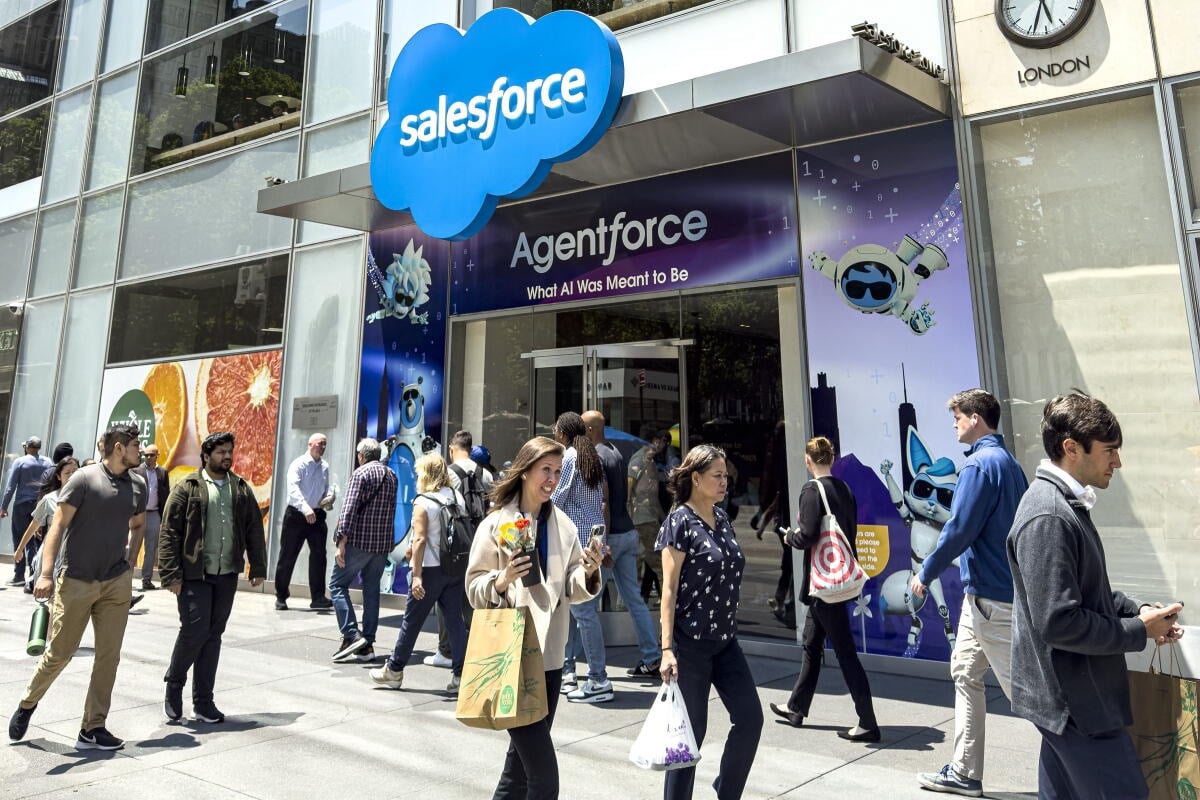
Salesforce has been working to restore its services following a widespread outage that disrupted customers as thousands of technology professionals gathered in San Francisco for the company’s annual conference. Users reported severe delays, intermittent errors and an inability to access essential services, raising questions about the reliability of one of the world’s most prominent enterprise software providers.
The disruption came at a particularly notable moment for Salesforce, which was showcasing its latest developments in artificial intelligence, cloud computing and customer relationship management. While attendees gathered to discuss the future of business technology, customers outside the conference faced difficulties using the company’s existing platforms.
Customers Report Severe Disruptions
Salesforce customers experienced problems accessing services during the outage, with reports describing significant delays and intermittent errors. Some users were unable to access the platform altogether, while others encountered inconsistent performance that affected their ability to complete routine tasks.
Salesforce provides software used by businesses to manage customer information, sales pipelines, marketing campaigns and support operations. For organisations that rely heavily on the platform, service interruptions can create immediate operational difficulties.
Employees may be unable to retrieve customer records, update sales opportunities or respond to support requests. Even when access is partially restored, intermittent errors can make it difficult to determine whether actions have been completed successfully.
The impact of such disruptions depends on the services affected and the extent to which individual businesses rely on Salesforce for their daily operations.
Annual Conference Takes Place Amid Disruption
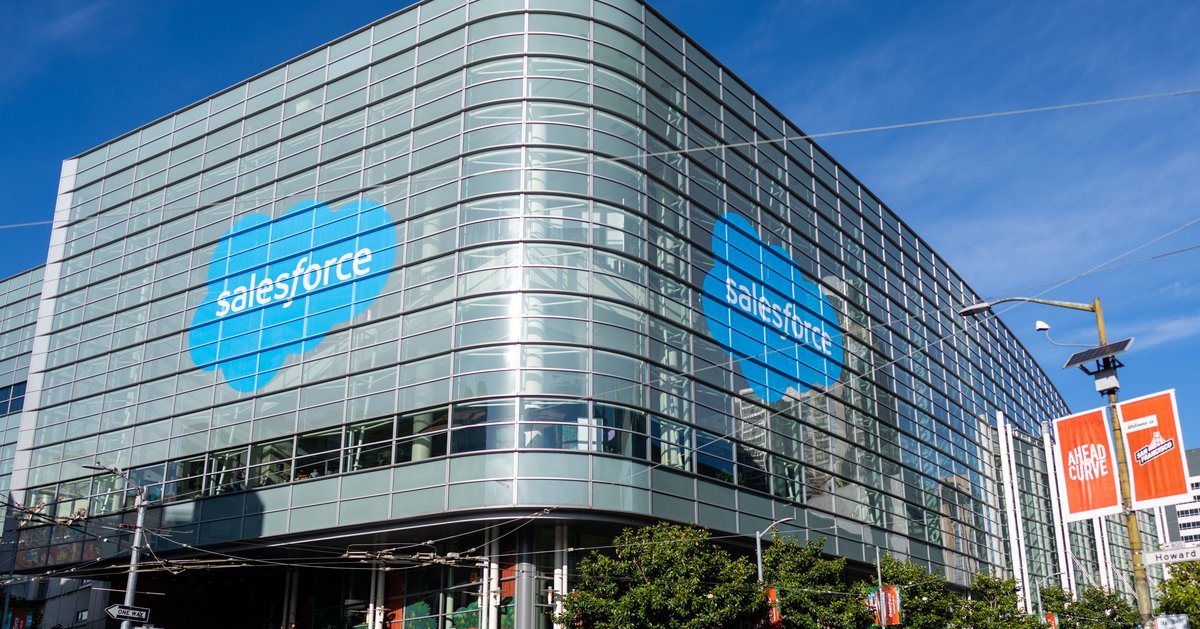
The outage coincided with Salesforce’s annual conference in San Francisco, an event that attracts thousands of attendees from the technology and business sectors. The conference serves as a platform for product announcements, industry discussions and demonstrations of new enterprise software capabilities.
Artificial intelligence has become a central theme in Salesforce’s technology strategy. The company has promoted AI-powered tools designed to help businesses automate repetitive tasks, improve customer interactions and support employees in managing complex workflows.
The service disruption created an unexpected contrast between the company’s forward-looking technology presentations and the immediate challenges faced by customers attempting to access its platforms.
For conference attendees, the incident also highlighted the practical importance of the infrastructure supporting the products being demonstrated. Businesses considering new technology solutions often evaluate not only innovation and functionality, but also service availability, reliability and the provider’s ability to respond to technical problems.
Why Cloud Reliability Matters
Salesforce operates within a broader ecosystem of cloud-based business applications. Organisations use its services to centralise customer information and connect different departments through shared digital systems.
This centralisation can improve efficiency, but it can also increase dependence on a single provider. When a major platform experiences an outage, businesses may find that several interconnected activities are affected at the same time.
Sales teams could face delays in following up with potential customers. Support departments may struggle to access case histories or respond to enquiries. Marketing teams might encounter difficulties managing campaigns, analysing data or monitoring performance.
For companies operating across multiple locations, even a temporary disruption can create coordination problems. Employees may need to rely on alternative communication methods or manually record information until normal access returns.
The incident illustrates the importance of considering service resilience and business continuity when organisations depend on cloud software for essential operations.
Recovery and Customer Concerns
As Salesforce worked to restore its services, customers awaited information about the cause of the outage, the systems affected and the steps being taken to prevent further disruption.
The recovery process for a large cloud platform can involve identifying the source of a technical problem, stabilising affected systems and monitoring performance after services become available again.
Restoring access does not necessarily resolve every consequence of an outage. Businesses may need to verify that records were updated correctly, review failed transactions and ensure that automated processes have resumed.
Clear communication is therefore an important part of incident management. Customers need timely information to understand whether a problem is ongoing, which services are affected and what temporary measures they should consider.
The reported difficulties have placed attention on Salesforce’s response and the reliability expectations associated with enterprise software.
AI Ambitions and Infrastructure Dependence
Salesforce’s growing emphasis on artificial intelligence has increased the importance of dependable cloud infrastructure. AI assistants, automated workflows and data-driven business tools all require stable access to the systems on which they operate.
The outage does not, by itself, establish anything about the performance of Salesforce’s AI products. However, it reinforces a broader consideration for businesses adopting advanced technology: sophisticated features must be supported by reliable underlying services.
As companies integrate AI into customer service, sales and administrative operations, interruptions could affect both conventional software functions and newer automated processes.
This makes resilience an important consideration alongside innovation, particularly for organisations that use enterprise platforms across multiple business-critical departments.
Lessons for Businesses
The incident may encourage Salesforce customers to review their own continuity arrangements. Businesses can prepare for cloud service disruptions by documenting essential workflows, identifying alternative communication channels and ensuring that employees understand how to respond when key systems become unavailable.
The appropriate measures vary according to an organisation’s size, industry and dependence on particular software services. Some businesses may require detailed recovery procedures, while others may focus on maintaining access to essential customer information and communication tools.
Cloud providers also face expectations concerning transparency, monitoring and recovery. Customers increasingly want to understand how companies manage incidents and what safeguards are in place to reduce the likelihood and impact of future disruptions.
What Comes Next
The Salesforce outage has drawn attention to the relationship between technological ambition and operational reliability. As the company continues presenting its vision for AI-powered enterprise software, customers remain focused on consistent access to the tools they already depend on.
The incident serves as a reminder that even established cloud technology providers can experience significant disruptions. For businesses, the experience highlights the importance of evaluating not only the capabilities of software platforms but also their reliability, recovery processes and role in wider continuity planning.
As Salesforce returns to normal operations, customers and industry observers will be watching for further information about the incident and the measures introduced to strengthen the resilience of its services.