OpenAI just launched Sora, its new short-form video app, and the internet is already going wild with it. Users are creating AI-generated clips of everything from SpongeBob SquarePants to Pokémon characters, and legal experts are warning that this creative free-for-all could land the company in serious hot water.
The app, which only launched this week on iOS devices through an invite-only system, has already shot to the top of Apple’s App Store. It’s easy to see why—Sora lets anyone type in a prompt and watch as artificial intelligence brings their ideas to life in short video clips. But this creative freedom is raising some major red flags.
“A lot of the videos that people are going to generate of these cartoon characters are going to infringe copyright,” says Mark Lemley, a professor at Stanford Law School. “OpenAI is opening itself up to quite a lot of copyright lawsuits by doing this.”
OpenAI Vows to Address Copyright Issues as Sora Videos Feature Iconic Characters
CNBC got access to the platform and found videos featuring characters from popular shows like “Rick and Morty,” “South Park,” and “Despicable Me.” One particularly eyebrow-raising clip showed OpenAI CEO Sam Altman standing in a field with Pokémon characters, where he jokes, “I hope Nintendo doesn’t sue us.”
Another video depicted McDonald’s mascot Ronald McDonald fleeing from police in a burger-shaped car.
The news outlet was also able to independently generate recognizable characters and logos, including Patrick Star, Pikachu, a Starbucks coffee cup, and characters from “The Simpsons.” When contacted for comment, McDonald’s declined to respond, while other companies didn’t reply to requests.
Varun Shetty, OpenAI’s head of media partnerships, acknowledged the situation in a statement, saying the company sees “new opportunities for creators to deepen their connection with the fans.” He added that OpenAI will work with rights holders to block characters from Sora at their request and respond to takedown requests.
But that approach might not be enough to keep the lawyers at bay. This isn’t happening in a vacuum; AI companies are already facing a wave of copyright lawsuits. Disney and Universal recently sued the AI image creator Midjourney for allegedly using their copyrighted characters without permission.
Why Studios Are Challenging Character.AI and Sora?
Disney also sent a cease and desist letter to Character.AI just last week, demanding they stop using its intellectual property without authorization.
The core issue is simple: characters are copyrightable. Third parties can’t just use original characters without getting permission first. And when a company loses control over what their beloved characters do and say in user-generated videos, things can get messy fast.
Lemley points out the potential for damage using a simple example: “You can imagine why Taylor Swift wouldn’t want, even if pornography is off the table wouldn’t want videos of her purporting to say things she doesn’t say. I think the same is going to be true of cartoon characters.”
OpenAI has set up a “Copyright Disputes” form where content owners can flag specific videos, and users can report copyright and trademark infringement directly through the app. The company emphasizes that these controls work on a character-by-character basis rather than offering a blanket opt-out.
According to reports from the Wall Street Journal, OpenAI gave some talent agencies and studios the option to opt out of Sora and exclude their copyrighted material before the app launched. But legal experts say this arrangement is unusual and potentially problematic.
“You can’t just post a notice to the public saying we’re going to use everybody’s works, unless you tell us not to,” explains Jason Bloom, who chairs the intellectual property litigation practice at law firm Haynes Boone. “That’s not how copyright works.” Under copyright law, you typically need explicit permission to use someone else’s work, not the other way around.
OpenAI Gives Users Control Over Their Likeness as Sora’s Popularity Soars
OpenAI has implemented some safety measures, including giving users control over how their own likeness appears on the platform. Users can create a “cameo” of themselves to insert into videos, but they maintain control over who can access it. This means you can’t just generate videos of random people or public figures without their permission.
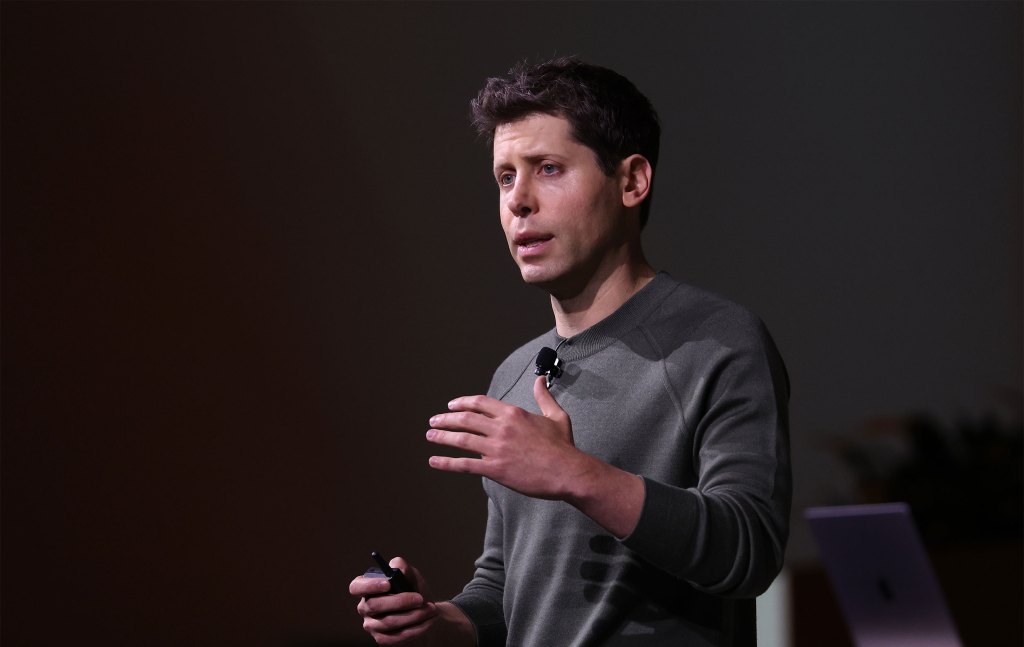
Sam Altman addressed these concerns in a Friday blog post, promising more granular controls for rights holders. “We assume different people will try very different approaches and will figure out what works for them,” Sam Altman wrote. “But we want to apply the same standard towards everyone, and let rightsholders decide how to proceed.”
As Sora continues to gain popularity, the battle over AI-generated content and copyright protection is only heating up. For now, users are having fun creating their dream videos, but the legal bills might be piling up just as quickly.