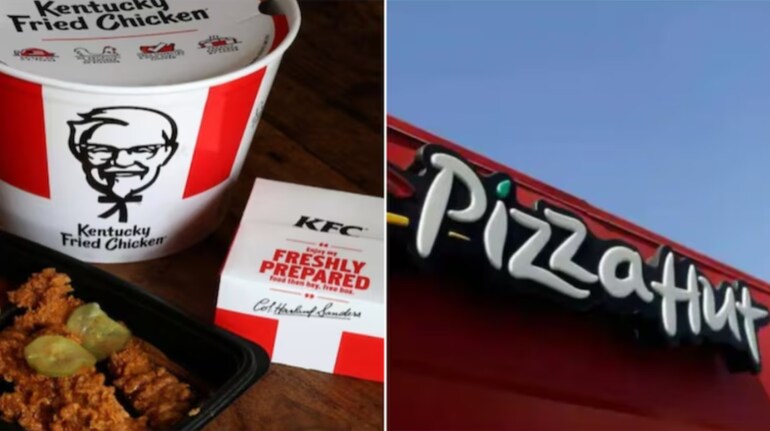
The franchise operator of well-known brands KFC and Pizza Hut, Sapphire Foods, is feeling the strain as the fast-food sector in India turns into a high-stakes battleground. Despite consistent revenue growth, the company experienced a quarterly loss, which highlights the intricate difficulties that quick-service restaurant (QSR) chains face in a market that is becoming more competitive and price-sensitive.
Credits: Moneycontrol
A Surprise Setback: Profit Turns Into Loss
In stark contrast to the ₹12 crore profit it declared for the same period last year, Sapphire Foods reported a consolidated net loss of ₹4.8 crore for the quarter that ended on December 31. Although the loss might seem alarming at first, it is primarily due to a one-time financial shock rather than a decline in core demand.
As part of a national reform initiative to enhance employee welfare and simplify labor laws, the corporation was charged ₹8 crore in relation to India’s new labor legislation. Long-term benefits notwithstanding, these modifications have increased compliance costs for firms, particularly labor-intensive enterprises like restaurant chains.
Revenue Growth Shows Customers Are Still Spending
Sapphire Foods produced a solid top line performance despite declining earnings. Fast food consumption is still popular, as seen by the nearly 8% annual increase in operations revenue to ₹814 crore.
However, costs increased by nearly the same amount as revenue. With expenses rising 8.4% to ₹813 crore, the company has little opportunity to increase its margin. Profitability for QSR businesses nationwide is becoming more and more constrained because to rising operational costs, promotional expenditures, and regulatory costs.
KFC Shows Signs of Recovery, Pizza Hut Struggles
Sapphire’s performance revealed a tale of two brands — one showing resilience and the other facing serious headwinds.
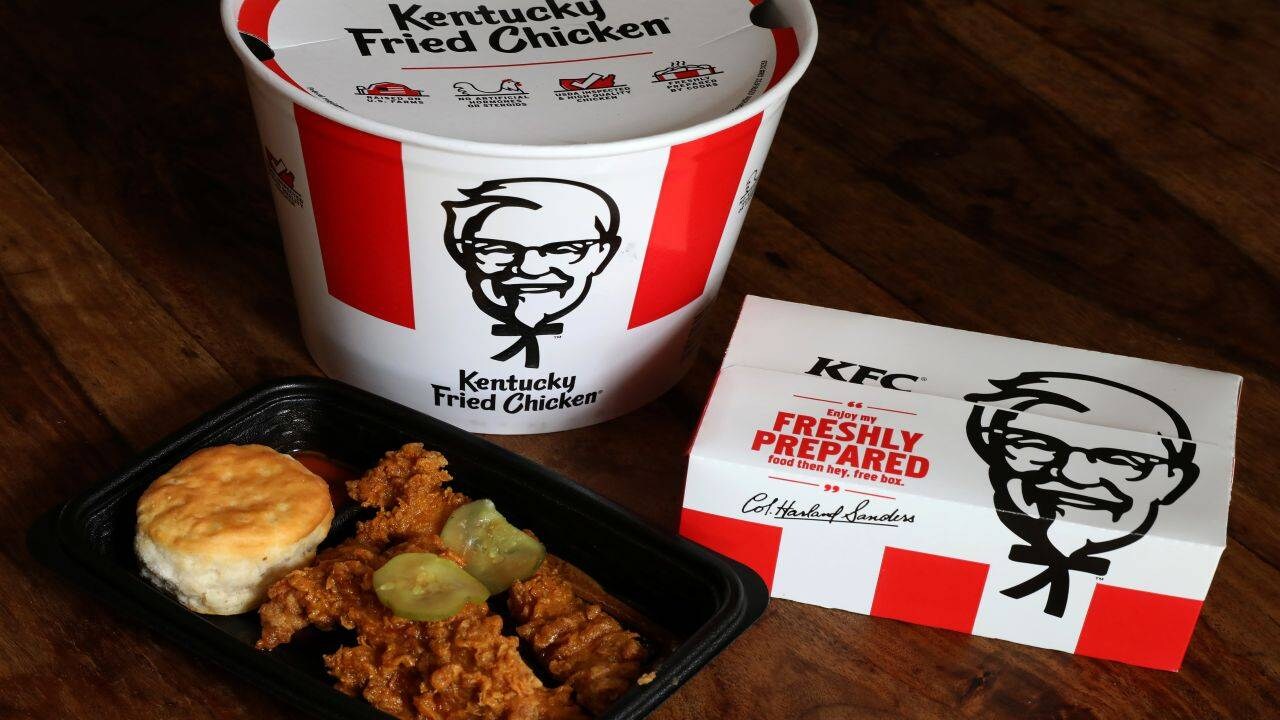
KFC emerged as the relative bright spot. Same-store sales growth, which measures revenue from outlets open for at least a year, rose 1% during the quarter. This marks a welcome turnaround from the 3% decline recorded in the same quarter last year, suggesting that KFC’s menu innovation and value-driven offerings are helping it regain momentum.
Pizza Hut, on the other hand, faced a significant slowdown. The brand reported a steep 12% drop in same-store sales, a dramatic reversal from the 5% growth seen a year ago. The decline reflects changing consumer behaviour, with diners increasingly shifting toward local food options, delivery-first cloud kitchens, and more affordable alternatives.
Discount Wars Intensify in India’s QSR Market
To maintain footfall and order volumes, Sapphire Foods has been forced to lean heavily into aggressive discounting. One of the quarter’s key promotional moves included launching a chicken burger meal priced at ₹99 — a strategy aimed squarely at attracting price-conscious customers.
While such deals help maintain sales volumes, they come at a cost. The Indian fast-food market has become fiercely competitive, with both global giants and local players battling for market share. The result is a constant balancing act between customer acquisition and maintaining healthy profit margins.
Expansion Continues as Long-Term Bet on Growth
Despite short-term profitability challenges, Sapphire Foods is doubling down on expansion. The company opened 31 new restaurants during the October–December quarter, pushing its total store count to 1,028 outlets.
The expansion highlights Sapphire’s confidence in India’s long-term fast-food consumption story. With urbanisation rising and younger consumers increasingly embracing convenience dining, QSR chains see physical expansion as critical to strengthening brand presence and improving delivery efficiency.
Industry-Wide Pressure Signals Tough Times Ahead
Sapphire Foods is not alone in facing these challenges. Devyani International, another major franchisee operating Yum Brands outlets in India, also reported a wider quarterly loss recently. The parallel struggles highlight broader industry pressures, including rising costs, discount-heavy competition, and evolving customer preferences.
A Mega Merger That Could Change the Game
In a move that could reshape India’s QSR landscape, Sapphire Foods and Devyani International announced plans to merge in a $934 million deal. The merger aims to create a franchise powerhouse capable of leveraging scale, supply chain efficiencies, and stronger bargaining power with vendors.
If executed successfully, the combined entity could gain a significant competitive advantage in India’s rapidly expanding fast-food market.
Credits: Moneycontrol
The Road Ahead: Growth Opportunities With Profitability Challenges
The most recent quarterly results from Sapphire Foods highlight an important fact: while fast food demand in India is still high, it is getting more difficult to maintain profitability. Companies are being forced to reconsider their growth strategy due to increased competition, aggressive discounting, and rising regulatory expenses.
Sapphire Foods is obviously betting on long-term market supremacy, as seen by its expansion ambitions and impending mega-merger. However, whether it can convert growth into long-term profitability in the upcoming quarters will depend on its capacity to control expenses while retaining consumer attraction.