A recent post by a Coimbatore-based Swiggy customer has set social media into a frenzy, sparking a heated debate about the true cost of food delivery convenience. The user, Sunder (@SunderjiJB), shared a detailed comparison of his food order via Swiggy versus buying the same dishes directly from the restaurant just 2 km away — and the numbers are shocking.

The Shocking Price Difference
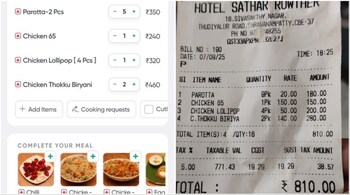
Sunder ordered 10 parathas, chicken 65, four chicken lollypops, and two plates of chicken thokku biryani through Swiggy. His total bill came to Rs 1,473, which included delivery and platform fees. However, when he visited the restaurant in person, the total cost for the same items was just Rs 810.
A breakdown of the pricing revealed major markups:
-
Parathas: Rs 35 each on Swiggy vs. Rs 20 offline
-
Chicken 65: Rs 240 vs. Rs 150
-
Chicken Lollypops: Rs 320 vs. Rs 200
-
Chicken Thokku Biryani: Rs 230 per plate vs. Rs 140
Sunder’s verdict was blunt: “Eighty percent inflated price to deliver food is way too much.” He even joked about using a local porter service next time for just Rs 100 instead of relying on Swiggy.
Social Media Erupts: Outrage vs. Realism
The post triggered a wave of reactions. Many users voiced their outrage, arguing that such high markups are unjustifiable. Yashodhan G (@y2k_netizen) remarked, “A 30% difference is understandable, but 80% is simply too steep.”
However, others defended the food delivery ecosystem. Sushant Mehta (@SkyBarrister) pointed out, “It’s an open market. App platforms and delivery manpower also need their share to operate.” Aarushi Panchal (@panaaru) added context by noting that the price hike is primarily driven by restaurant strategies: “These are restaurant-set prices. Swiggy only provides visibility on the platform.”
The Real Culprit: Restaurant Price Inflation
Several industry observers highlighted a critical practice behind the inflated costs. Restaurants, aiming to offset Swiggy and Zomato’s hefty commissions—often ranging between 24–28%—tend to artificially hike their menu prices on the app platforms.
Meghnath (@Meghnath_trader) warned of the long-term implications:
“When platforms first launched, the expectation was that restaurants would absorb a small commission cut. But over time, many began inflating online menu prices, effectively passing the extra cost onto the customer.”
This strategy ensures that restaurants maintain their margins while accommodating platform commissions and promotional expenses. Unfortunately, the end consumer bears the brunt, often without realizing it.
Swiggy’s Official Stand
Swiggy has repeatedly maintained that it does not control restaurant pricing. A Swiggy Cares representative stated in the past:
“We strive to maintain transparency, but the final pricing is at the sole discretion of the restaurant.”
Similarly, Zomato’s red herring prospectus explains that the platform remits to the restaurant a net amount after deducting commissions and funded discounts. This further emphasizes that the pricing strategy lies primarily with the restaurant, not the platform.
Convenience vs. Cost: The Growing Dilemma
Sunder’s viral post has reignited a broader conversation around the sustainability of the food delivery model. Urban consumers are increasingly torn between paying a high convenience fee or braving traffic and queues to enjoy cheaper meals.
Many users are now demanding greater pricing transparency, arguing that inflated food prices disguised as convenience fees may lead to long-term distrust in the ecosystem.
As online food delivery becomes a staple in modern urban life, the debate continues: Is convenience worth an 80% price hike, or should consumers rethink their approach to getting food delivered?
Credits: Moneycontrol
Conclusion:
The debate over inflated food delivery prices reflects a larger concern about transparency and fairness in the convenience economy. While some see the extra cost as a justified trade-off for hassle-free service, others view it as an unfair burden on consumers. As awareness grows, pressure is mounting on restaurants and delivery platforms to adopt more reasonable pricing practices, ensuring that convenience doesn’t come at the cost of customer trust.