Swiggy has once again tweaked its platform fee — this time raising it to ₹15 per order, its highest ever. This marks the third hike in just three weeks, as the company tries to cash in on the festive season rush and strengthen its bottom line. The move follows a brief experiment last month, when the company raised the fee to ₹14 on Independence Day before rolling it back to ₹12.
For customers, the platform fee may look like a small line item on their bill, but its steady rise over the last year reflects the intense margin pressure food delivery players are facing.
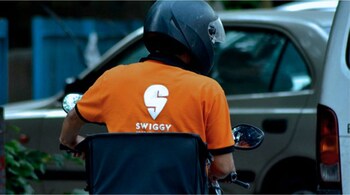
Credits: Moneycontrol
A Small Fee, Big Impact
At Swiggy’s scale of over 2 million daily orders, the latest ₹15 fee could generate nearly ₹3 crore in daily revenue. That’s about ₹54 crore every quarter, or ₹216 crore annually, assuming the rate holds steady.
To put this into perspective, when the fee was at ₹12, the company was earning about ₹2.4 crore daily, so this hike alone brings in an extra ₹60 lakh per day. For a platform grappling with widening losses, such increments are no longer trivial.
Following in Zomato’s Footsteps
Swiggy’s archrival Zomato isn’t sitting still either. The Gurugram-based firm recently increased its own platform fee to ₹12, eyeing a similar windfall. With 2.3–2.5 million daily orders, Zomato’s extra fee translates to roughly ₹3 crore in daily revenue and about ₹45 crore per quarter.
Both companies have been known to test fee hikes during peak-demand days like New Year’s Eve or festive weekends. If user behavior remains unaffected, the higher fees are rolled out more broadly. This cat-and-mouse game shows how the two giants are watching each other closely — and moving almost in sync.
Losses Loom Large
The timing of these hikes is no coincidence. Swiggy’s financials remain under strain. In Q1 FY26, the company’s net loss widened nearly 96% YoY to ₹1,197 crore, compared to ₹611 crore a year earlier. Losses were already heavy at ₹1,081 crore in the previous quarter.
Much of this drag is attributed to Instamart, Swiggy’s quick commerce unit, which has required massive investments to compete with Zepto and Blinkit. Yet, there’s a silver lining: Swiggy’s revenue from operations surged 54% YoY to ₹4,961 crore in the same quarter, showing that demand remains robust.
Zomato, meanwhile, has its own balancing act. Its Q1 FY26 net profit fell 90% YoY to just ₹25 crore, despite a hefty 70% jump in revenue to ₹7,167 crore. For both companies, the story is the same: revenues are booming, but profitability remains a slippery target.
From ₹2 to ₹15: The Fee’s Rapid Rise
Platform fees are a relatively new concept in Indian food delivery. First introduced in April 2023 at just ₹2 per order, the charge has crept up steadily. By late 2023, during experimental rollouts, fees regularly crossed the ₹10 mark.
Today, with fees reaching ₹15, the growth has been nearly sevenfold in less than 18 months. It highlights how food delivery apps, once laser-focused on discounts, are now increasingly passing costs to customers in order to survive.
What It Means for Customers
For users, an extra ₹2 or ₹3 per order may not seem significant, especially during festive celebrations when ordering spikes. But over time, the rise in fees could dent customer sentiment, particularly among frequent users who order multiple times a week.
That said, the festive season often provides food delivery apps a cushion to experiment. Order volumes typically peak, and higher discretionary spending means customers are less likely to abandon carts over small fee increases.

Credits: The Economic Times
The Bigger Picture
The Swiggy-Zomato rivalry is no longer just about discounts and delivery speed. It’s increasingly about finding sustainable business models in an industry notorious for razor-thin margins. The platform fee, once an experiment, has now become a key lever of profitability.
As both companies raise charges almost in tandem, customers may have little choice but to absorb the extra costs. The question is whether such hikes can materially improve the bottom line or if they’re merely a temporary fix until the next funding round or IPO milestone.