The promise of AI-powered video games just hit another spectacular pothole. Matt Shumer, CEO of HyperWrite and vocal AI enthusiast, shared what he believed would be a glimpse into gaming’s glorious future. Instead, he delivered something that looks more like a fever dream rendered in digital chaos.
Shumer posted a video on X (formerly Twitter) yesterday with the confident caption “AI games are going to be amazing.” He even added a boastful “(sound on)” tag, clearly expecting his demonstration to wow viewers. What followed was a bizarre, disorienting mess that quickly became the internet’s latest example of AI hype crashing into reality.
Decoding the Bizarre World of AI-Generated ‘Manhattan’ FPS Games
The video presents itself as first-person shooter gameplay set in downtown Manhattan, but calling it “gameplay” is generous. The experience begins with a soldier apparently rappelling from a helicopter onto a city street.
The landing inexplicably produces a shower of glass shards, as if the player had crashed through a window despite clearly touching down on pavement.
Things only get stranger from there. The soldier draws what vaguely resembles an MP5 submachine gun, complete with two sets of iron sights for some reason. When fired, the weapon produces sparks and debris just inches from the barrel, suggesting the player is somehow shooting directly into a wall despite facing open air.
As the soldier moves up the street with their squad, tracer rounds fly through the air, fired by absolutely nobody visible on screen.
A storefront appears ahead, its signage unable to decide whether it’s a “DELI,” “DELE,” or just “DEE.” Further down the street sits what looks like a subway entrance, except it’s labeled “Sublone” and the stairs lead upward instead of down.
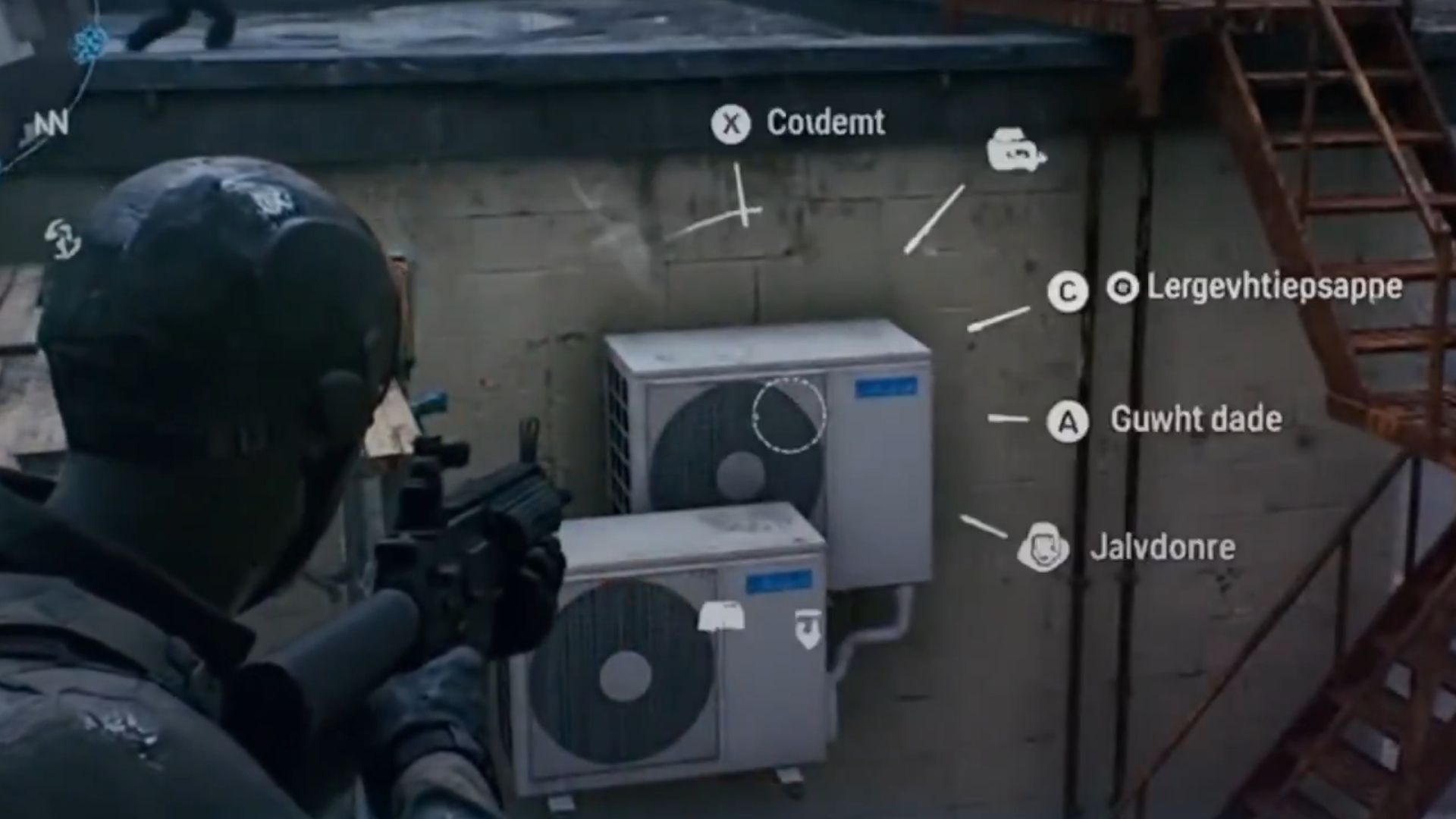
The confusion intensifies when three buttons suddenly appear at the bottom of the screen, transforming this first-person shooter into a choose-your-own-adventure game.
The options include diving into the “Uptown subway,” pushing up Broadway behind a bus, or cutting right to climb a fire escape.
AI-Generated Nightmare Logic
A cursor selects the dive option. No diving occurs. The player simply walks up the stairs normally, and at the top, Times Square has somehow transformed into an open-air subway platform.
A nearby bus morphs into a train, which is being shot at by masked gunmen that the player’s squadmates completely ignore. As the train departs, it mysteriously extrudes a ladder onto the tracks behind it.
Another choice prompt appears, offering the option to “Board the Uptown train.” The problem? That train just left. But in this AI-generated nightmare, logic doesn’t apply, a new train simply squelches its way out of the wall ahead.
Why an AI-Generated Video Game Demo Fueled Backlash?
One squadmate briefly fires at the train’s rear door, perhaps expressing the existential horror anyone watching this video must feel.
Shumer isn’t just any random tech enthusiast, he’s the CEO of HyperWrite, a company that markets AI tools, including a “Team Member Praise Generator” and an “AI Sympathy Message Generator for Heartfelt Cards.” His company’s offerings hint at a particular vision of AI’s role: automating human connection and creativity into algorithmic convenience.
The backlash to his video was swift and severe. Critics pointed out that the demonstration perfectly illustrates why current AI technology isn’t ready to revolutionize game development.
The incoherent visuals, impossible physics, and nonsensical geography create an experience that one commenter suggested “could trigger new and exciting forms of psychosis if you watch it long enough.”
The incident highlights a growing divide in the tech world. AI evangelists like Shumer seem to operate with different standards than the rest of us, viewing these glitchy, surreal outputs as stepping stones to something greater.
Meanwhile, actual gamers and developers recognize that compelling gameplay requires intentional design, consistent rules, and coherent worlds, things AI currently can’t deliver.
This isn’t an isolated incident. The gaming world has seen multiple AI-generated projects that promise revolution but deliver disappointment. Until AI can create experiences that feel intentional rather than accidental, gamers will likely stick with human-made games that actually make sense.