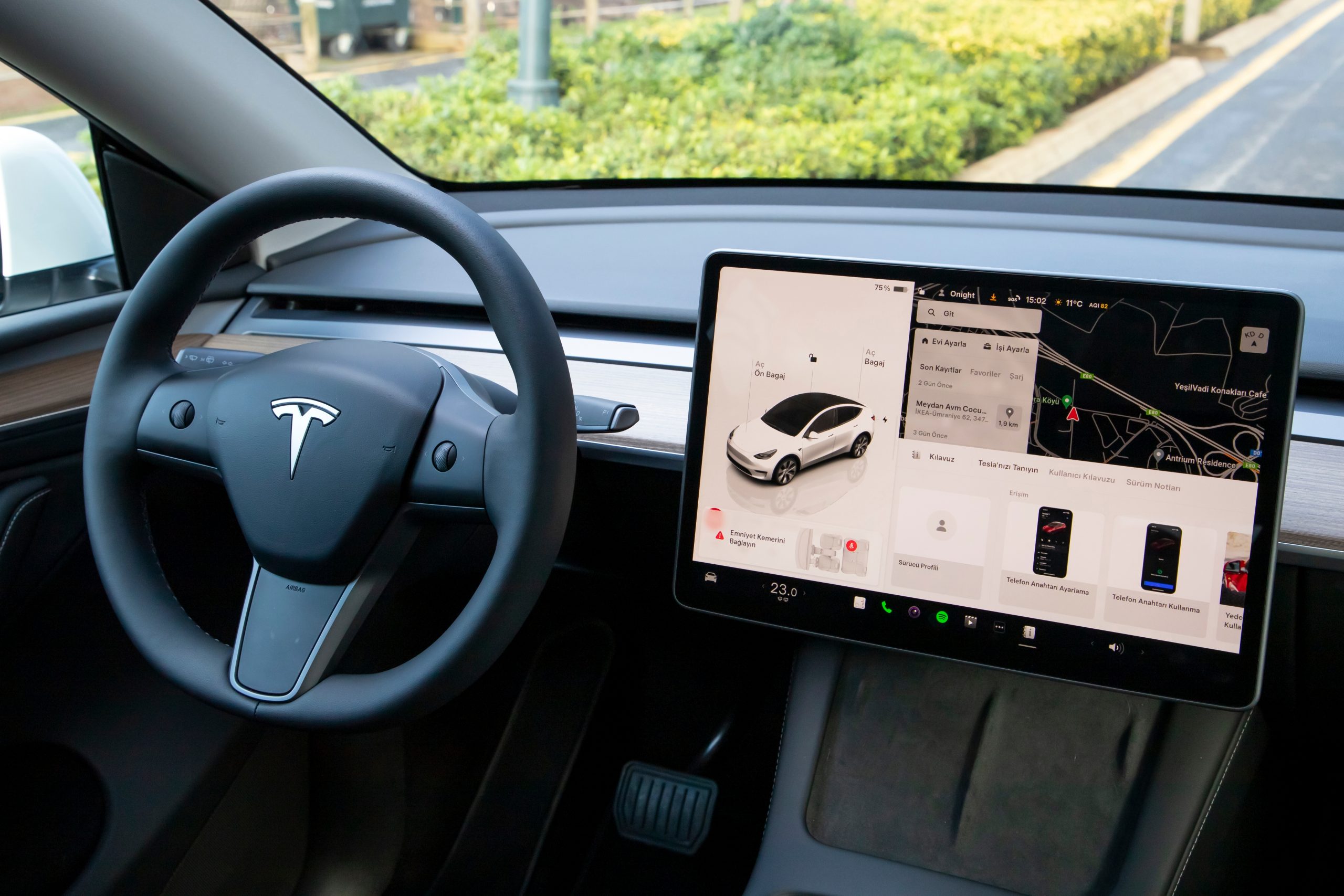
Tesla has officially changed the name of its advanced driver-assistance system (ADAS) in China, removing the term “FSD” (Full Self-Driving) from its highest-tier software package. The move, which took effect recently, comes amid regulatory scrutiny and approval requirements in China.
The renaming of Tesla’s smart driving packages affects multiple tiers, including the most expensive package priced at RMB 64,000 ($8,820). Although the name change does not impact the functionality of the software, it marks a significant shift in Tesla’s branding approach in one of the world’s largest automotive markets.
Tesla’s decision to drop “FSD” from its software package name appears to be a strategic response to regulatory concerns in China. The phrase “Full Self-Driving” suggests a level of autonomy that Tesla’s software does not yet fully provide. While Tesla’s FSD system offers advanced driver-assistance features, it still requires human supervision and does not deliver full autonomy.
China’s regulatory authorities have been increasingly strict on how automakers market autonomous driving capabilities. By changing the name from “FSD Intelligent Assisted Driving” (FSD 智能辅助驾驶) to “Intelligent Assisted Driving” (智能辅助驾驶), Tesla aligns itself with regulatory expectations and avoids potential misinterpretation of its system’s capabilities.
Breakdown of Tesla’s New Smart Driving Software Naming
Along with the flagship software, Tesla has renamed all three tiers of its driver-assistance software in China:
- “FSD Intelligent Assisted Driving” → Renamed “Intelligent Assisted Driving” (RMB 64,000)
- “Basic Version Assisted Driving” → Renamed “Basic Assisted Driving” (基础辅助驾驶)
- “Enhanced Version Automated Assisted Driving” → Renamed “Enhanced Assisted Driving” (增强辅助驾驶)
In addition, Tesla has rebranded the overall description of these features from “Autopilot Automated Assisted Driving” (Autopilot自动辅助驾驶) to simply “Assisted Driving” (辅助驾驶).
While the names have changed, the core functions of each package remain the same. The three packages still correspond to Tesla’s existing FSD (Full Self-Driving), Enhanced Autopilot (EAP), and Basic Autopilot (BAP) tiers that are available in other markets.
Regulatory Challenges and Delayed Free Trial
Tesla had planned to roll out a one-month free trial of its advanced driver-assistance system in China, allowing eligible vehicle owners to test the software’s full capabilities. The free trial was announced on March 17, with a scheduled duration until April 16. However, Tesla later suspended the free trial, citing the need for additional regulatory approvals.
Tesla made the announcement on Weibo, China’s popular social media platform, stating:
“All parties are actively pushing forward the relevant process, and once it is ready, it will be pushed out as soon as possible.”
This delay underscores the regulatory hurdles Tesla faces in China, where authorities closely monitor and evaluate autonomous driving technologies before allowing widespread implementation.
Tesla’s FSD History in China
Tesla’s FSD software has been available for purchase in China for years, priced at RMB 64,000 ($8,820). However, despite customers paying for the package, the actual FSD software features were not fully functional in China.
Due to the unavailability of FSD, even Tesla’s own sales staff reportedly advised customers against purchasing the package. This left Tesla in a difficult position—offering a high-priced software that couldn’t yet deliver its full capabilities.
To address this, Tesla rebranded its software offerings in February 2025, rolling out a version of its smart driving software in China that was similar to the U.S. FSD but without officially calling it “FSD.” This was seen as a step toward finally introducing advanced driver-assistance features to Chinese customers.
Tesla’s decision to rename its software is also influenced by the competitive landscape in China. Unlike Tesla, many Chinese automakers offer ADAS features at no additional cost.
Companies like Xpeng (NYSE: XPEV) and BYD (HKG: 1211, OTCMKTS: BYDDY) provide free advanced driver-assistance systems to their customers, making Tesla’s paid model a tougher sell. Tesla’s premium pricing structure for ADAS has been a point of contention, especially when competitors offer similar or even superior technology as part of the base vehicle cost.
What’s Next for Tesla’s Smart Driving Features in China?
Tesla’s recent moves indicate a strong commitment to expanding its presence in the Chinese market, while simultaneously navigating regulatory challenges. Here’s what to expect next:
- Regulatory Approval for Full Functionality – Tesla will continue working with Chinese regulators to ensure that its smart driving software meets local safety standards before resuming the free trial.
- Further Localization of Tesla’s Software – Tesla may adapt more of its autonomous driving features to suit China’s road conditions, traffic laws, and consumer expectations.
- Competitive Pricing Adjustments – If Tesla’s paid ADAS software faces resistance from customers, the company may reconsider its pricing model to compete with free alternatives from Chinese automakers.
Tesla’s decision to drop “FSD” from its smart driving software name in China marks a significant step in complying with local regulations while positioning itself more strategically in the competitive EV market.
While the core functionality of its driver-assistance software remains unchanged, Tesla faces regulatory hurdles and pricing challenges in a market where competitors offer similar technology for free. The next steps will be crucial in determining Tesla’s success in bringing advanced driver-assistance technology to China while maintaining its market position against rapidly evolving domestic rivals.