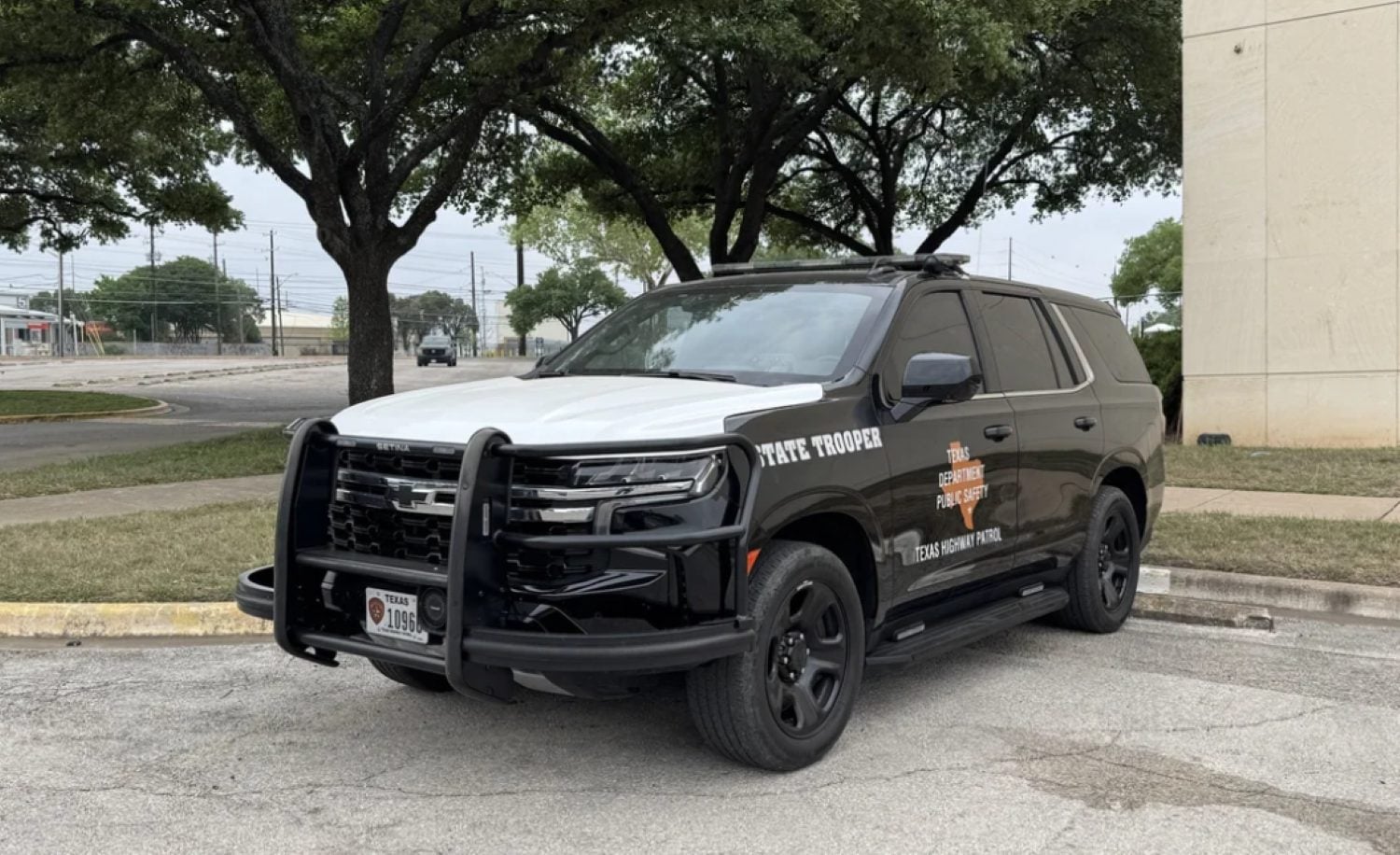
The Texas Department of Public Safety (DPS) has quietly approved a $4.49 million purchase of advanced surveillance technology from Israeli intelligence company Cognyte, a move that is reigniting concerns over digital privacy and government monitoring.
The purchase, approved through an emergency procurement process in March 2026, includes four specially equipped Chevrolet Tahoes fitted with Cognyte’s FalcoNet surveillance system. The technology is designed to intercept communications between nearby mobile phones and cellular towers, allowing investigators to identify and track devices operating within a targeted area.
According to procurement records, Texas officials justified the purchase by citing an urgent need to protect personnel and maintain operational readiness. However, the documents reportedly offer little explanation of the immediate threat that required bypassing the standard procurement process.
What Is FalcoNet?
FalcoNet is a portable cellular surveillance platform capable of operating from multiple environments, including vehicles, helicopters, backpacks and temporary field deployments.
Rather than relying solely on traditional network access, the system acts as a mobile cellular base station that can communicate directly with nearby mobile devices. This allows investigators to collect identifying information from phones within range and potentially assist in locating specific devices during investigations.
Its flexibility has made it attractive to law enforcement agencies conducting criminal investigations, counterterrorism operations, and search missions. However, privacy advocates argue that the technology can also capture information from innocent bystanders who are not under investigation.
A Multimillion-Dollar Purchase
The procurement covers significantly more than just police vehicles. Documents indicate that the majority of the funding went toward surveillance hardware, software licenses and deployment equipment.
The package reportedly includes four FalcoNet Core Systems, multiple 5G software licenses, two portable backpack deployment units, antenna kits and additional supporting equipment. Even the four 2026 Chevrolet Tahoes account for only a fraction of the total cost, with the specialized surveillance equipment representing the bulk of the investment.
The modular nature of the system allows it to be deployed from fixed locations or moved rapidly between operations, giving investigators considerable flexibility in the field.
Privacy Questions Continue to Grow
The deployment has sparked renewed debate over how far law enforcement should be allowed to go when collecting digital information.
Civil liberties groups have long argued that technologies capable of gathering cellular data from large numbers of people risk sweeping up information from individuals with no connection to criminal activity. Critics also point to previous court rulings recognizing that location data can reveal intimate details about a person’s daily life and therefore deserves constitutional protections.
Legal experts note that while such surveillance tools may be used under specific investigative authorities, questions remain over transparency, oversight and whether sufficient safeguards exist to prevent misuse.
Surveillance Technology Becomes More Common
Texas is not the first state to explore the use of advanced cellular surveillance systems. Similar technologies have reportedly been acquired by agencies in other parts of the United States as law enforcement increasingly adopts sophisticated digital investigation tools.
As surveillance capabilities continue to evolve alongside 5G networks and connected devices, public debate is expected to intensify over balancing public safety with individual privacy.
For now, Texas’ multimillion-dollar investment in FalcoNet underscores a broader shift toward technology-driven policing—one that promises greater investigative capabilities while raising equally significant questions about oversight, accountability and the limits of government surveillance.