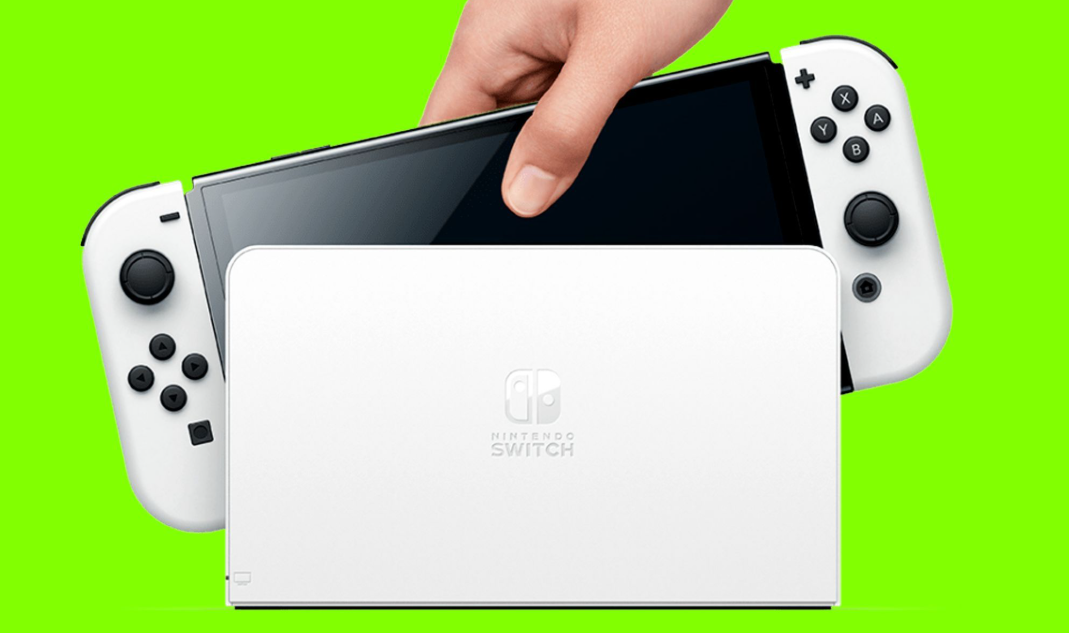
The intersection of international trade policy, corporate pricing, and consumer rights has reached a volatile legal boiling point in the video game industry. Following a landmark U.S. Supreme Court decision that struck down sweeping import duties, major electronics manufacturers have moved swiftly to reclaim billions of dollars in tariff payments from the federal government. However, as corporate entities prepare to receive massive government paybacks, a heated legal battle has erupted over who actually bore the financial burden of those trade levies. In a high-stakes motion to dismiss filed in federal court, Nintendo argued that it has no legal duty to pass government rebates along to gamers, asking a judge to throw out a high-profile Nintendo consumer tariff refund lawsuit on the grounds that retail purchasers voluntarily agreed to sticker prices and are not entitled to retroactive discounts.
1. The Core Legal Battle: Double Dipping vs. Voluntary Commerce
The controversy stems from a proposed class-action complaint filed in the U.S. District Court for the Western District of Washington by consumers Gregory Hoffert and Prashant Sharan. The plaintiffs allege that after tariffs were imposed on imports from Asian manufacturing hubs, Nintendo adjusted its retail pricing structure between February 2025 and February 2026 across consoles, controllers, and peripherals. When the Supreme Court invalidated the underlying tariff framework, opening the door for importers to collect up to $166 billion in federal refunds, plaintiffs argued that keeping those paybacks while retaining elevated consumer prices amounted to “unjust enrichment”.
In a 27-page motion to dismiss reported by Game File, Nintendo’s legal team strongly rejected the claim. The company argued that retail transactions are completed, binding contracts that cannot be retroactively unwound simply because an importer’s back-end cost structure changes after the fact.
“Nintendo or one of its retailers set a price for each product, and consumers decided whether that price was worth paying,” Nintendo’s attorneys wrote. “Those who bought Nintendo’s products received exactly what they bargained and paid for: a console, game and/or accessory at a price to which both parties agreed.”
2. Deconstructing the Defense: Market Realities and Pricing Factors
To counter allegations that it passed 100% of tariff burdens onto buyers, Nintendo presented a detailed breakdown of its pricing strategy. The company emphasized that tariffs were only one component among a complex web of market pressures, including rising component costs for memory, labor, and international shipping.
Legal Arguments: Plaintiffs vs. Nintendo Defense
| Litigation Dimension | Class-Action Plaintiff Claims | Nintendo Legal Defense Motion |
| Equitable Basis | Unjust enrichment; collecting tariff costs from both consumers and government | Normal market transactions; buyers got agreed-upon physical goods |
| Pass-Through Dynamics | Hardware price hikes were directly caused by illegal import duties | Prices reflected broad factors (memory, shipping, labor) alongside tariffs |
| Corporate Absorption | Alleged full cost pass-through to end-user retail prices | Absorbed tariff costs on flagship items like the main Nintendo Switch 2 console |
| Retail Relationship | Consumers directly enriched the hardware manufacturer | Most buyers paid third-party retailers, not Nintendo directly |
Furthermore, lawyers highlighted that unlike several market peers who applied blanket tariff surcharges, Nintendo implemented modest, highly selective adjustments and chose to absorb tariff costs on major flagship releases like the Nintendo Switch 2.
3. Industry Precedents and the Future of Import Refunds
The dispute surrounding the Nintendo consumer tariff refund lawsuit reflects a broader corporate dilemma across the consumer electronics sector. Hardware rivals like Sony face similar consumer litigation, while only a small handful of retail entities (such as Costco) have voluntarily pledged to pass tariff paybacks along to customers. Legal experts note that unless plaintiffs can prove explicit fraud or statutory violations in how prices were advertised, courts generally uphold the “voluntary commercial transaction” doctrine.
As the court considers Nintendo’s motion to dismiss or transfer the case to private arbitration, the gaming industry is watching closely. The outcome will establish a major legal precedent for whether corporations are required to share supply-chain windfalls with the public or if retail transactions remain final once the register closes.