On Friday morning, many Indians were hit with a wave of nostalgia. Out of nowhere, the TikTok website popped back online, a platform millions had once obsessed over before it was abruptly banned in 2020. Screenshots spread quickly across social media, sparking excitement, disbelief, and plenty of “Is TikTok back?” questions.
But before fans could celebrate, reality hit hard: the homepage opened, yes, but no one could log in, upload, or watch videos. On app stores, TikTok was still nowhere to be found. It was like seeing a locked shop with the lights on—tempting, but inaccessible.
Credits: NDTV Profit
Government: “We Didn’t Unblock It”
As speculation ran wild, government sources quickly stepped in to clarify: TikTok has not been unbanned. Officials from the Ministry of Electronics and Information Technology (MeitY) and the Department of Telecom (DoT) confirmed that no directive had been issued to restore the app.
In fact, DoT insiders revealed that internet service providers (ISPs) are still under instructions to block the platform. That raises a puzzling question—if the ban is still in place, how did the website manage to load for some users? A glitch? A server misconfiguration? Or perhaps a test run by TikTok itself? The mystery remains unsolved.
The 2020 Ban and Its Shadow
To understand why TikTok’s brief return caused such a stir, one has to rewind to June 2020. In the tense days following the Galwan Valley clash, where 20 Indian soldiers lost their lives, New Delhi banned TikTok along with nearly 60 other Chinese apps.
The official explanation was clear: security and sovereignty. Authorities feared that Indian user data was being funneled to servers in China. At the time, TikTok wasn’t just any app—it was India’s favorite pastime, boasting more than 200 million users and giving rise to a new generation of creators who shot to stardom from small towns and villages. The sudden shutdown left both creators and fans stranded overnight.
Timing That Raises Eyebrows
The resurfacing of TikTok’s website comes at a particularly sensitive moment. Just days ago, Prime Minister Narendra Modi met Chinese Foreign Minister Wang Yi to discuss mending frayed ties. Both countries even rolled out a joint statement promising a “stable, cooperative and forward-looking relationship.”
That included steps like reopening border trade, restarting direct flights, and encouraging investments. Against this backdrop, TikTok’s sudden online visibility was too coincidental for many to ignore. Could it be the first soft signal of a thawing digital relationship? Or just an unrelated technical blip?
TikTok’s Global Trouble
India isn’t the only country that has TikTok in the dock. Across the world, the platform faces skepticism and scrutiny. In the United States, both the Trump and Biden administrations have demanded ByteDance, TikTok’s parent company, to divest its American business. Several US states have banned TikTok from government devices, citing surveillance concerns.
In short, TikTok finds itself entangled in geopolitics—caught between its massive global user base and rising distrust of its Chinese roots.
The Creator Community Reacts
For Indian creators, the sudden glimpse of TikTok felt bittersweet. Before its ban, the app had turned ordinary youngsters into internet celebrities overnight, offering opportunities unmatched by other platforms at the time.
In the years since, creators shifted to Instagram Reels, YouTube Shorts, and homegrown platforms like Moj and Josh. Some flourished, while others faded away. Now, TikTok’s brief reappearance brought back memories—but also raised doubts. Would users really trust the app again, even if it returned? Or has the Indian social media landscape moved on?
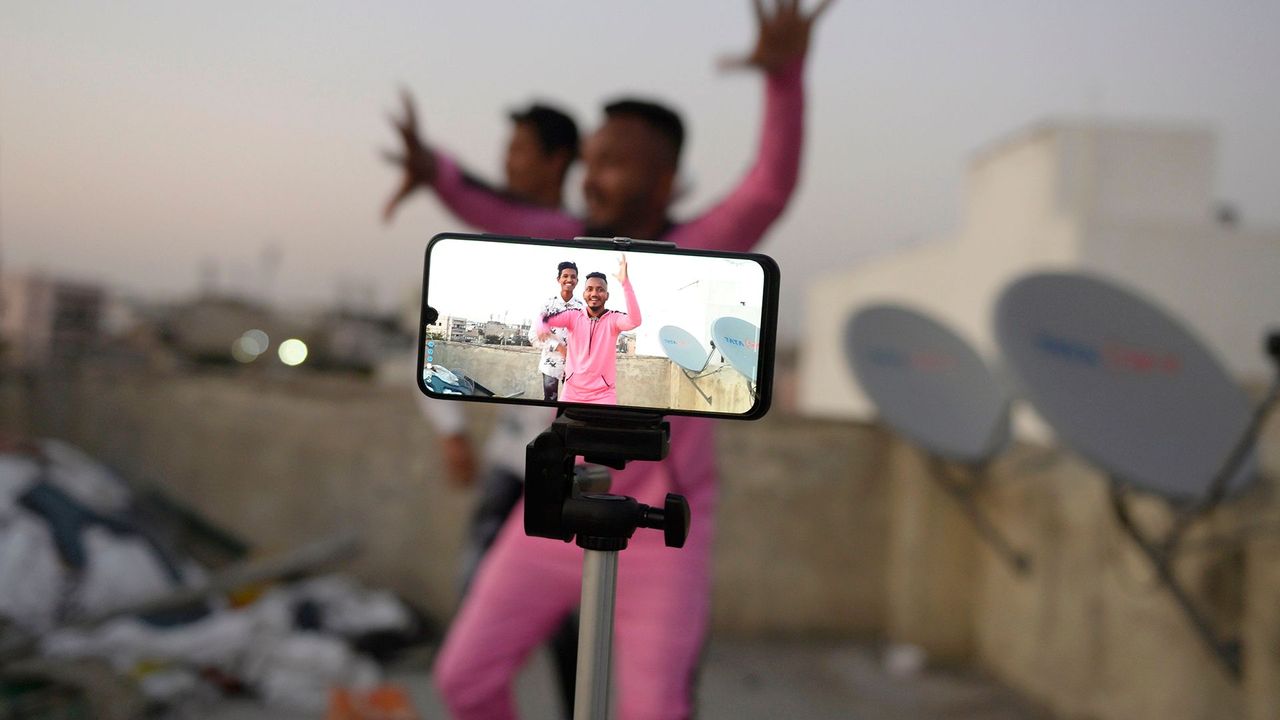
Credits: BBC
The Road Ahead: Still Uncertain
For now, the official word is simple: TikTok remains banned in India. No green signal has been given, and no official decision is on the table. Whether Friday’s episode was a glitch, a shadow test, or a mere coincidence, one thing is clear—TikTok continues to haunt India’s digital imagination.
Its logo may flicker briefly on our screens, but its actual future here will depend on far bigger factors: national security, political diplomacy, and public trust.