US President Donald Trump has filed an massive $15 billion defamation lawsuit against The New York Times after blaming the newspaper of acting as a “virtual mouthpiece” of the Democratic Party. The amount in question is significantly higher compared to the entire market capitalization of The New York Times Company.
The 85-page lawsuit, filed in federal court in Tampa, Florida, is leveled as much at the newspaper as at Penguin Random House and four Times reporters. Two of the reporters authored a related book titled “Lucky Loser: How Donald Trump Squandered His Father’s Fortune and Created the Illusion of Success,” and it too is sued.
Donald Trump Sues The New York Times, Sparking First Amendment Concerns
Trump announced the lawsuit on his Truth Social platform on Monday evening, declaring it a “huge honor” and declaring The Times has been “PERMITTED TO BLATANTLY LIE, SMear AND SLANDER ME FOR WAY TOO LONG, AND THAT STOPS, NOW!” In particular, he lashed at the newspaper’s endorsement of Kamala Harris in the 2024 presidential election, even though legal experts indicate endorsement of a political candidate is not defamation.
The lawsuit is akin to a political manifesto in some sections, with favorable comments on Trump and other lawsuits he is battling against media houses. The approach has been received with initial criticism by lawyers from the media, questioning the legal merits of the suit.
“This lawsuit is frivolous,” The New York Times responded in a statement. “It has no genuine legal claims and is rather an attempt to stifle and deter independent reporting. The New York Times will never be bullied. We will aggressively pursue the facts fearlessly and favorably.”
The Legal Strategy of Trump and First Amendment Concerns
Scholars of law are gravely concerned about the long-term implications of Trump’s legal strategy. Floyd Abrams is America’s leading First Amendment lawyer. He called the lawsuit “ridiculous as a matter of law but extraordinarily dangerous as a matter of national policy.” Abrams cautioned it presents a threat to essential First Amendment values in a manner unknown in our tradition.
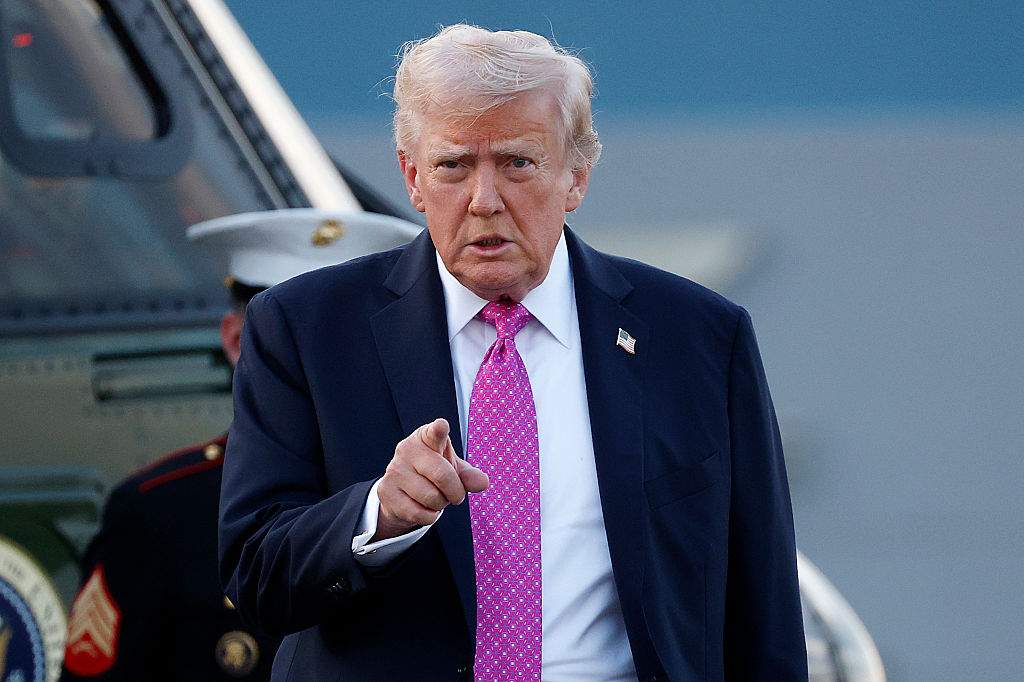
The Committee to Protect Journalists repeated these concerns and added that such defamation cases “send a chilling message and may ensnare news media in litigious and expensive procedures.” First Amendment specialists characterize this as part of a presidential campaign to muzzle critical coverage by so-called “nuisance lawsuits.”
He faces big legal hurdles in bringing his case. As a public figure in a case of defamation, he must demonstrate “actual malice” in other words, the defendants knew their articles were false or displayed reckless disregard of the truth. This is an extremely high legal standard and has in the past both defended freedom of the press.
Trump’s Lawsuits Against the Press, A Strategy of Financial Pressure and Publicity
Experts say Trump’s true aim might be neither to prevail in court nor to extract settlements but to garner publicity and exert financial pressure on the news networks. Support for this theory comes from recent settlements by CBS News and ABC News, both of which paid multimillion-dollar settlements to Trump to avoid contesting his lawsuits in court.
These victories have worried journalism advocacy organizations, which caution that skirting court litigation only galvanizes Trump’s litigation war on the press. The president has cited these victories in his present litigation case against The Times and intimated that these are part of an overall trend.
Trump is likewise litigating The Wall Street Journal currently over a story about letters allegedly authored to Jeffrey Epstein. The lawsuit against The Times once again makes claims the Journal “fraudulently” reported Trump had sent a birthday card to Epstein when in reality, the letter has now been produced by a House committee.
The announcement by Trump came at a particularly odd time. Just hours before, Times publisher A.G. Sulzberger had given a warning in a speech regarding what he called the “anti-press playbook” used by “aspiring strongmen” around the world. Sulzberger directly mentioned using civil courts to exert financial pressure on independent journalists.
Addressing the Investigative Reporters & Editors’ 50th-anniversary gala, Sulzberger called upon media leaders to “stand up for your journalism” and defend press freedom from such tactics.
The case is a significant test of press freedom and has implications well beyond The New York Times. How the lawsuit develops may create key precedent to how political power and press freedom converge in the course of the Trump Administration.