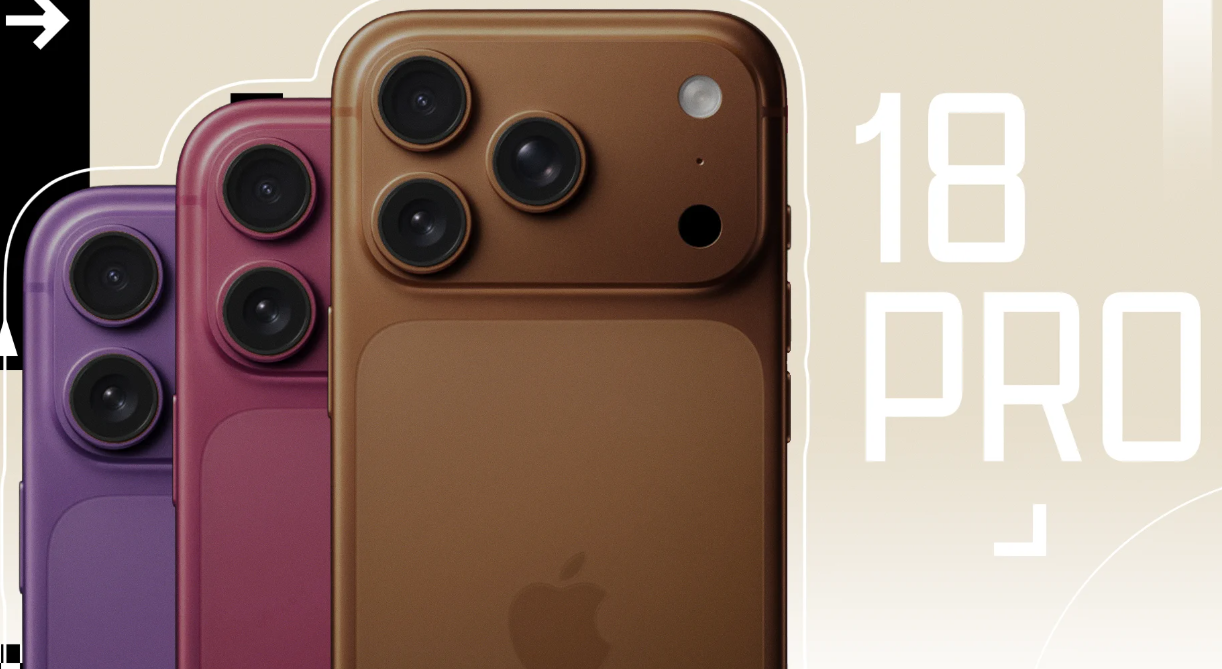
The annual cadence of smartphone releases is undergoing a major structural transformation. For over a decade, consumer technology markets operated under a predictable rhythm: every September, major hardware manufacturers unveiled their complete flagship lineups from entry-level base models to top-tier enterprise devices in a single autumn keynote event. However, as advanced chip manufacturing costs escalate and component supply chains adapt to high-bandwidth memory (HBM) allocations, tech conglomerates are rethinking product delivery timelines. In a major reporting update covering early supply-chain leaks, the upcoming Apple iPhone 18 Pro series launch date signals a strategic pivot to a staggered release calendar.
Industry reports indicate that Apple will divide its next-generation smartphone generation into two distinct launch phases. The flagship iPhone 18 Pro and iPhone 18 Pro Max alongside a highly anticipated inaugural foldable device are scheduled to anchor the traditional September 2026 fall launch window. Meanwhile, the baseline iPhone 18, a second-generation ultra-slim iPhone Air, and an entry-tier iPhone 18e are being deferred to a dedicated spring 2027 announcement.
1. Release Timeline: The September 2026 Flagship Window
The anticipated schedule for the Apple iPhone 18 Pro series launch date follows a refined timeline aimed at prioritizing high-margin hardware. By focusing initial manufacturing capacity on Pro variants, Apple ensures that early component runs from semiconductor foundries are dedicated exclusively to its most profitable devices.
Key milestones across the upcoming rollout include:
- Early September 2026 Announcement: Flagship unveilings for the iPhone 18 Pro, iPhone 18 Pro Max, and a book-style foldable variant (tentatively dubbed “iPhone Ultra”).
- Pre-Orders & Retail Availability: Pre-orders are slated to open within days of the keynote, with global retail shipments reaching physical stores by late September 2026.
- Spring 2027 Deferred Launch: Standard baseline iPhone 18 variants will debut roughly six months later, allowing Apple to maintain sustained media coverage and revenue momentum across two separate calendar quarters.
2. Technical Upgrades: 2nm A20 Silicon and Camera Innovations
Beyond schedule adjustments, the iPhone 18 Pro hardware platform represents a major technological leap forward, driven by advancements in semiconductor manufacturing and optical engineering.
Key Hardware Upgrades
| Hardware Subsystem | Next-Gen Specification | Operational & User Benefit |
| SoC Processor | Apple A20 Pro (TSMC 2nm GAA) | 15% speed increase; 30% reduction in power drain |
| System Memory | 12GB Unified RAM | Expanded bandwidth for local “Apple Intelligence” LLMs |
| Primary Camera | Main Lens with Variable Aperture | Mechanical iris controls depth-of-field & low-light intake |
| Cellular Modem | Proprietary C2 Baseband | Integrated 5G & satellite data with lower power consumption |
| Biometric Display | Under-Display / Shrunken Dynamic Island | Maximizes usable screen real estate and minimizes notch footprint |
3. Structural Comparison: Annual Flagship Strategy Shifts
The decision to split the iPhone 18 generation into two release waves reflects broader adjustments across the global mobile hardware market.
Release Strategy: Traditional vs. Staggered Generation
| Strategy Vector | Legacy Unified Launch (Pre-2026) | Staggered Flagship Model (2026–2027) |
| Hardware Debut | All models unveiled in September | Pro & Foldables in Fall; Base models in Spring |
| Foundry Burden | Heavy, simultaneous wafer allocation demands | Smooths 2nm semiconductor production over 12 months |
| Consumer Focus | Spread across all price tiers simultaneously | Directs holiday spending exclusively to premium tiers |
| Lifecycle Hype | Single annual publicity spike | Dual-peak marketing cadence across the calendar year |
A New Rhythm for Premium Hardware
The revised expectations surrounding the Apple iPhone 18 Pro series launch date demonstrate how tier-one hardware developers are adapting to supply-chain dynamics and advanced chip production. By separating cutting-edge Pro models from entry-level hardware, Apple secures the required manufacturing bandwidth for its 2nm silicon while establishing a more balanced financial structure throughout the fiscal year.