The U.S. electric vehicle (EV) market is showing fresh signs of life after months of uncertainty. New industry data reveals that EV sales climbed significantly during the second quarter of 2026, marking the strongest quarterly performance since the federal EV tax credit expired last year.
Although overall sales remain below the levels seen a year ago, the latest figures indicate that buyers are gradually returning to electric vehicles, supported by a growing number of affordable models, expanding charging infrastructure, and renewed interest from automakers.
Strong Quarter Despite Policy Changes
Between April and June 2026, nearly 247,000 electric vehicles were sold across the United States, representing a healthy improvement over the first quarter of the year. The growth suggests that the sharp decline following the removal of federal purchase incentives may finally be easing.
When the tax credit ended in late 2025, many consumers rushed to buy EVs before the deadline, creating a temporary sales boom followed by a steep drop. The latest quarterly performance indicates the market is beginning to stabilize without relying entirely on government incentives.
Tesla Remains on Top
Tesla continued to dominate the U.S. EV market, with the Model Y maintaining its position as the country’s best-selling electric vehicle. The Model 3 also recorded steady gains, reinforcing Tesla’s leadership despite increased competition.
While Tesla remains comfortably ahead of rivals, several traditional automakers narrowed the gap by posting strong quarterly improvements. Brands including Chevrolet, Hyundai, Toyota, Cadillac and Rivian all recorded higher EV deliveries compared to the previous quarter.
Toyota Emerges as a Fast-Growing Player
Among all manufacturers, Toyota delivered one of the strongest performances.
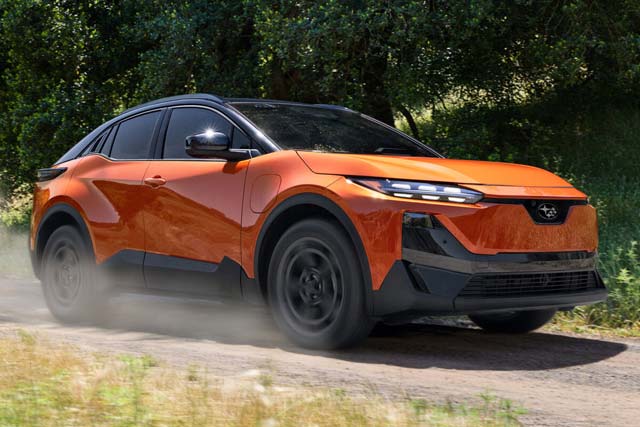
The Japanese automaker more than doubled its EV sales compared to the same period last year, driven by an expanded electric lineup featuring updated and new battery-powered models. The company’s growing presence has helped it climb the U.S. EV rankings, placing it among the country’s leading electric vehicle brands.
Toyota’s rapid progress also reflects changing consumer attitudes, with buyers increasingly considering established manufacturers alongside dedicated EV companies.
Affordable EVs Driving Demand
Industry experts believe affordability is becoming the biggest factor influencing purchasing decisions.
Automakers are introducing competitively priced electric models while reducing production costs, making EV ownership accessible to a wider audience. At the same time, the continued expansion of public charging stations is helping ease concerns about long-distance travel and charging convenience.
Higher fuel prices in several regions have also encouraged more consumers to explore electric mobility as a long-term cost-saving option.
Challenges Still Remain
Despite the positive momentum, the EV market continues to face hurdles.
Year-on-year sales remain lower than 2025 levels, highlighting the lasting impact of the removal of federal incentives. Several manufacturers have also delayed or scaled back future EV projects as they reassess investment strategies amid changing market conditions.
However, the latest sales figures suggest the industry’s correction phase may be nearing an end.
Outlook for the EV Industry
The second quarter of 2026 offers cautious optimism for the American electric vehicle market. Consumer demand appears to be recovering naturally, supported by broader model choices, improving charging infrastructure and increasing confidence in EV technology.
While challenges remain, the latest performance indicates the sector is gradually finding a new balance. If automakers continue to focus on affordability and infrastructure keeps expanding, the U.S. EV market could be entering a more sustainable phase of growth, even without the federal incentives that once fuelled record-breaking sales.