Power continuity becomes especially important when electrical systems support operations that need a dependable supply. Even a brief change in power conditions can make reliable source management an important consideration for facility operators and electrical teams. This makes the equipment used within critical power systems an important part of overall planning.
But how does an automatic transfer switch help maintain power continuity when the primary supply is interrupted? Understanding its role can help electrical professionals assess its relevance when planning or upgrading critical power infrastructure. The right approach starts with understanding how transfer equipment fits within a broader electrical system. Let’s explore.
What Are Automatic Transfer Switches?
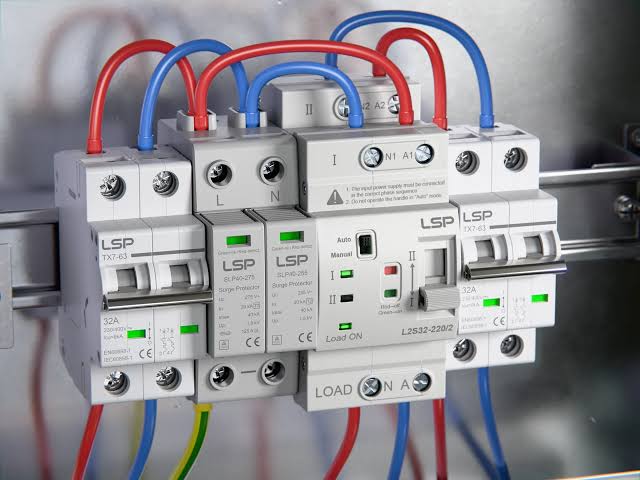
Automatic transfer switches connect electrical loads to an available power source and help transfer them between utility and standby supplies. Under normal conditions, the facility typically receives power from the utility supply. If that source becomes unavailable or unsuitable, the switch initiates the transfer to a backup source, such as a generator.
The transfer process is designed to occur without relying on manual intervention. This is particularly useful where maintaining power availability is essential for critical loads. Once the primary source is restored and meets the required conditions, the system can transfer the load back according to its configured operating sequence.
Automatic transfer equipment also forms an important point within the power path between sources and connected loads. This makes it useful for monitoring electrical performance and supporting routine system management.
Types of Automatic Transfer Switches
Automatic transfer switches are available in different configurations to address varying voltage, current, application, and operational requirements. Understanding these categories can help identify an appropriate solution for a particular power system.
- Medium-voltage Transfer Switches
Medium-voltage transfer switches are designed for applications requiring higher voltage and current ratings. They can be used in critical facilities where standby power must be transferred reliably at medium-voltage levels. Available configurations can include protective relays and other options suited to the electrical requirements of the installation.
- Medium-voltage IEC Transfer Switches
IEC-rated medium-voltage transfer switches are suited to mission-critical environments where continuity of emergency or standby power is important. Healthcare facilities, industrial sites, commercial buildings, business-critical campuses, and similar applications can require this type of equipment. Diagnostic capabilities can also support better awareness of transfer-system performance.
- Power Transfer Switches
Power transfer switches serve low- and medium-current applications across a broad range of facilities. They can support loads involving motors, electronic drives, UPS systems, and microprocessor-based equipment. Features such as high-speed transfer, programmable controls, and display interfaces can help operators manage switching conditions and system status.
- Group G Power Transfer Switches
Group G transfer switches are designed for automatic transfer of critical loads and are available across a broad current range. Their construction is intended to support dependable operation in applications where continuity of electrical supply is important. They can be considered for facilities that require automatic switching between available power sources.
Selecting between these types requires attention to the electrical characteristics of the installation, connected loads, standby source, voltage level, current requirements, and applicable standards. The transfer switch should also align with the protection and maintenance strategy of the wider power system.
Supporting Reliable Power Continuity
Critical facilities need power systems that are prepared to respond when normal supply conditions change. A well-matched transfer switch can provide an important link between the primary supply, standby source, and critical loads while supporting dependable operation.
The right configuration can also make routine monitoring, testing, maintenance, and system management more practical. As power requirements become increasingly demanding, careful equipment selection remains important for maintaining continuity across essential applications.
Collaborating with a reputed electrical brand can further support informed selection, appropriate system configuration, and dependable power continuity for critical applications.