The Rising Tide of Crypto Deception
Achieving success in the cryptocurrency sector connotes being cognizant that there is a sophisticated scam waiting to target the innocent investor, following an innovation. Though modern-day investors already know how hacks are carried out using traditional means, scammers will keep changing their tactics over time. Rather than making a headache for their target’s computer systems using brute force, they are now emphasizing the use of psychological manipulation and exploiting the human weaknesses. One of the newest and fastest growing techniques used by scammers is through the use of a method called address poisoning. Many times, address poisoning is more straightforward than dealing with the complex exploits used in smart contracts, where technical knowledge is needed to execute the act. Moreover, the nature of the attack is so simple that it relies on the manner in which modern day crypto users perform their daily transactions without him/her realizing it. In order to learn about this particular trick, it is no longer an option but rather a must for every crypto trader who aims at safeguarding his/her coins.
What Exactly is an Address Poisoning Scam?
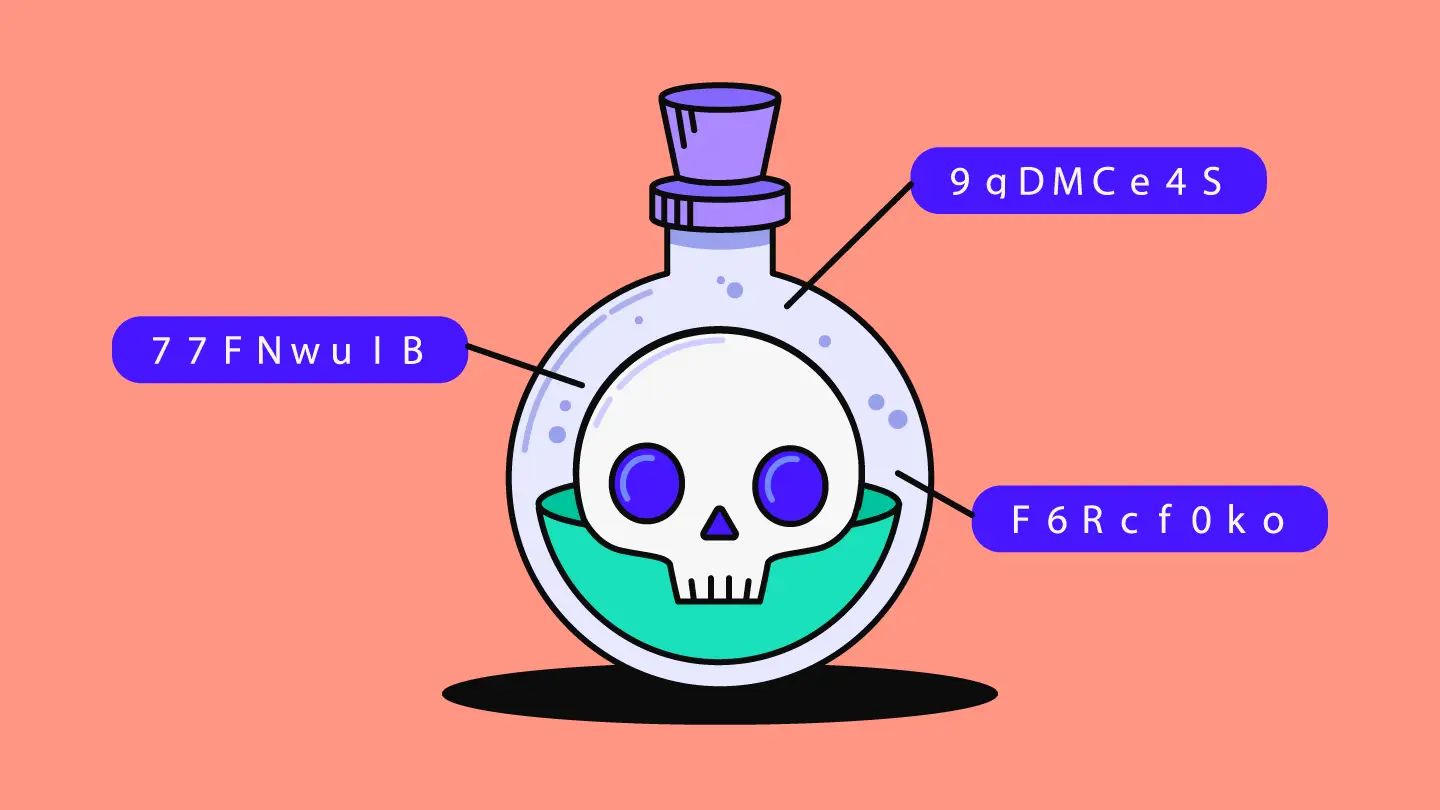
To summarize what an address poisoning scheme ultimately boils down to, one can say that it is defined as a type of hoax when a fraudster intentionally alters your cryptocurrency wallet’s history. The objective is for the fraudster to convince you to transfer your money to another wallet controlled by them. It is important to note that this is not a typical hack attempt. The hacker in this case will never access your private keys or break into your wallet’s system. Your account will be completely safe until you make the mistake of transferring your money to a wrong destination. The fraudster will initiate the trick by sending a tiny amount of cryptocurrency (also known as dust) to your wallet. The amount that is sent is not of the essence, as the main trick is the wallet address that is used in the process since it imitates the ones you have acquired previously. In most cases, you will be convinced that the next time you are about to transfer money, you will use this false address without realizing anything wrong.
The Psychology and Mechanics of the Trap
We have to analyze the way human beings process complex visual stimuli in order to comprehend why this scam is so effective. The addresses assigned to cryptocurrency wallets are notoriously long strings of random hexadecimal characters which makes them virtually impossible for ordinary people to remember. Due to the complexity of these addresses, most cryptocurrency users rely on dangerous mental shortcuts. When verifying the address of the recipient, people generally check only the first and last few characters, thereby missing all other characters. This type of behavior is very predictable and scammers know how to exploit it. They have special software that can create fake wallet addresses which contain all the necessary characteristics of the original one. Thus, your original wallet address can be reproduced by using a great number of symbols that you are familiar with. You will thus believe that it is your own unique address even if in reality it looks different on some parts.
How Scammers Execute the Perfect Trap
The carrying out of an address poisoning operation is a disturbing demonstration of automated fraud. These criminals do not type the addresses by hand; instead, they use very advanced programs that keep surveillance over public blockchains like Ethereum, Polygon, or Tron all the time. Blockchain registries are fully transparent by their nature, which allows these programs to monitor what happens in real time. They try to find wallets that conduct many transactions or wallets that transfer large amounts of electronic money. When a program succeeds in identifying your account as a way to make money, it examines the last transactions in order to understand what addresses are being used regularly. In a matter of a split second after you make your innocent payment, the fraudster’s system takes immediate action. The generator creates the lookalike address, and the bot immediately fires off a small dust transaction to your wallet. Because network transaction fees on many blockchains are incredibly low, scammers can afford to launch these automated attacks on thousands of users simultaneously. The fraudulent address then sits quietly in your recent history, waiting patiently for your next moment of carelessness.
The Severe Consequences of Falling Victim
The tragedy of the situation is how it affects people emotionally due to how blockchain technology works. In the conventional banking world, in most cases, you can just ring your bank and ask them to freeze an erroneous wire transfer. But the decentralized nature of crypto means that this option is not available since once a transaction goes through and gets validated, that transaction becomes permanent. There is no customer service department to contact and no way to get back the money stolen. Besides the financial pain of losing money, victims of this scam realize that it was all their fault which adds to the psychological pain of being scammed. Moreover, scammers don’t just use address poisoning, they combine it with other schemes. The dust transfer can involve fake tokens which might look very much like a stablecoin.
Strategies to Safeguard Your Digital Wealth
In order to protect against the hazards of address poisoning, a simple change in your daily interactions with your digital wallet is necessary. The most critical defense mechanism is to permanently abandon the habit of copying addresses directly from your transaction history. You must immediately begin treating your history log as a highly compromised environment. Instead, take full advantage of the address book feature provided by almost all reputable modern wallet applications. By manually saving and verifying your trusted addresses once, you eliminate the need to copy and paste from unverified sources. When you do inevitably need to enter a brand new address, you must strictly commit to verifying every single character, not just the extremities. When moving a substantial amount of wealth, always send a tiny test transaction first and wait for the recipient to personally confirm its arrival. Finally, if you notice random microscopic deposits appearing in your wallet, simply ignore them entirely. By staying consistently vigilant, slowing down your overall process, and strictly refusing to take mental shortcuts, you can effectively neutralize the threat.