The U.S. Citizenship and Immigration Services (USCIS) has rolled out new guidance that broadens the scope of what officers consider during immigration applications. Effective immediately, officers are directed to weigh whether applicants have ever “endorsed, promoted, supported, or espoused” views seen as anti-American, antisemitic, or tied to terrorism.
The change underscores the Trump administration’s push to tie immigration eligibility not only to background checks and security clearances but also to personal beliefs and affiliations. While the inclusion of antisemitic or extremist views is straightforward, the policy offers no clear definition of what counts as “anti-American,” leaving room for interpretation by officers.
Officials Frame Policy as Protective Measure
USCIS officials describe the policy as part of a broader effort to safeguard U.S. interests and close what they see as loopholes in immigration law. They argue that immigration benefits—including visas, work permits, and permanent residency—should be granted only to those who support American values.
This move comes on top of recent restrictions that reshape immigration standards across several categories.
Recent Changes Target Different Groups
The new directive is the latest in a string of policy shifts that have steadily tightened the U.S. immigration system. Among the most notable:
- Suspension of asylum-based residency: Applications for permanent residency from immigrants who entered the U.S. under asylum or refugee status have been halted.
- Limits on transgender athletes: Earlier this month, new restrictions were placed on visas for transgender women competing in women’s sports. The agency framed the measure as a way to maintain fairness in athletics.
These steps reflect the administration’s effort to align immigration rules with ideological and cultural positions, extending well beyond traditional security vetting.
Trump’s Wider Immigration Crackdown
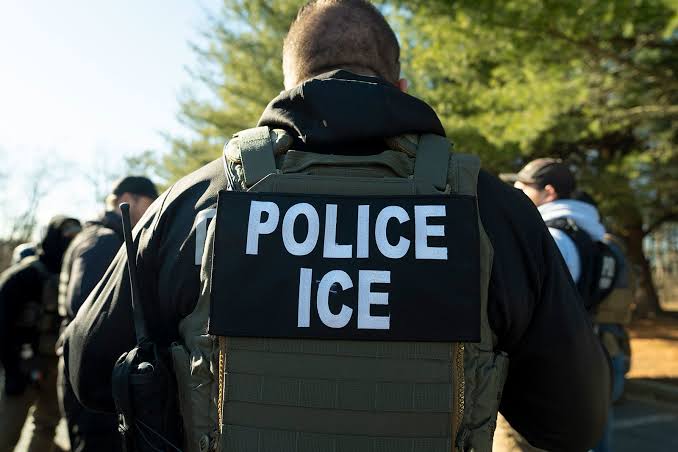
Since President Donald Trump took office, immigration enforcement has become a central focus of his administration. Immigration and Customs Enforcement (ICE) agents have carried out widespread arrests of undocumented migrants, and a new detention facility was opened in Florida in July to accommodate growing numbers of detainees.
Officials insist that stronger enforcement is necessary to protect U.S. borders and deter misuse of the system. Critics, however, warn that the policies are sweeping in scope and risk penalizing not just undocumented migrants but also lawful visitors and tourists.
Tourists Caught in Enforcement Net
In recent months, several high-profile cases involving tourists have drawn attention to the reach of U.S. immigration enforcement.
- In June, a Norwegian tourist reported being detained by U.S. Customs and Border Protection (USCBP) after officers discovered a digitally altered photo of Vice President JD Vance on his phone. The traveler claimed that agents labeled the image as extremist material. USCBP later denied that account, saying the detention stemmed from the individual’s admitted drug use.
- In another case, a British traveler was held in ICE custody for 19 days after being turned away at the U.S.-Canada border over alleged visa violations. She described the detention center as harsh, likening it to prison conditions.
These incidents highlight how the expanding immigration crackdown has extended into unexpected areas, affecting not only prospective immigrants but also temporary visitors.
Concerns About Vagueness
The decision to scrutinize “anti-American” views has raised concerns among legal experts and immigration advocates. Without a clear definition, they argue, officers could apply the rule inconsistently or even target individuals based on political speech or dissenting views.
The pace of these policy changes has also been criticized. With new restrictions being rolled out quickly, critics say there is little opportunity for judicial review or for officers to receive detailed training on how to interpret them.
Supporters counter that in an era of heightened global security threats, the U.S. must be proactive in preventing individuals with hostile or extremist ideologies from gaining entry or residency.
A Shift Toward Ideological Screening
The broader trend marks a significant shift in how the U.S. approaches immigration. For decades, the system focused heavily on criminal history, security risks, and economic contributions. Under the Trump administration, eligibility is increasingly tied to ideological alignment and cultural identity.
This raises complex legal questions about freedom of expression and the potential for discrimination. Immigration attorneys suggest that lawsuits challenging the vagueness of the “anti-American” clause and its compatibility with First Amendment protections are likely.