There was a time when buying something meant exactly that, you owned it. If you purchased a DVD, a music CD, a video game, or a software disc, it became your property. You could lend it to a friend, keep it for decades, sell it second-hand, or even pass it down to someone else. Ownership was simple, tangible, and permanent. In today’s digital world, however, that idea is quietly fading away.
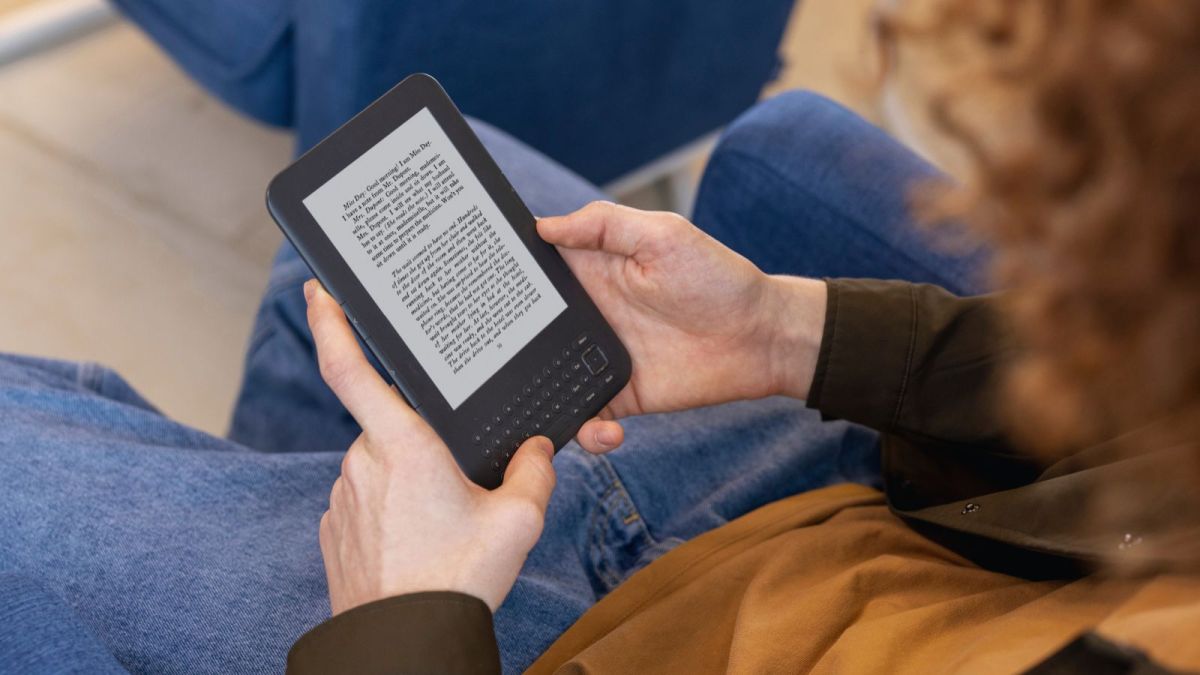
Most of us now consume music through Spotify, watch movies on Netflix, buy games from digital stores, read ebooks on Kindle, and use cloud-based software like Microsoft 365 or Adobe Creative Cloud. While these services have made digital content more convenient and accessible than ever before, they have also changed what it means to “buy” something. In many cases, you aren’t purchasing the product itself—you are simply paying for permission to access it under certain conditions.
The distinction may seem subtle, but it has enormous consequences. Movies disappear from streaming libraries overnight, digital games stop working after servers are shut down, ebooks can be removed from online libraries, and software becomes unusable the moment a subscription expires. Consumers are increasingly discovering that what they believed they owned was never truly theirs in the first place.
This shift isn’t happening because technology demands it. It is largely the result of changing business models that prioritize recurring revenue, tighter control over content, and cloud-based ecosystems. As companies move further toward subscriptions and digital platforms, ownership is gradually being replaced by temporary access—and many people are only beginning to realize what that means.
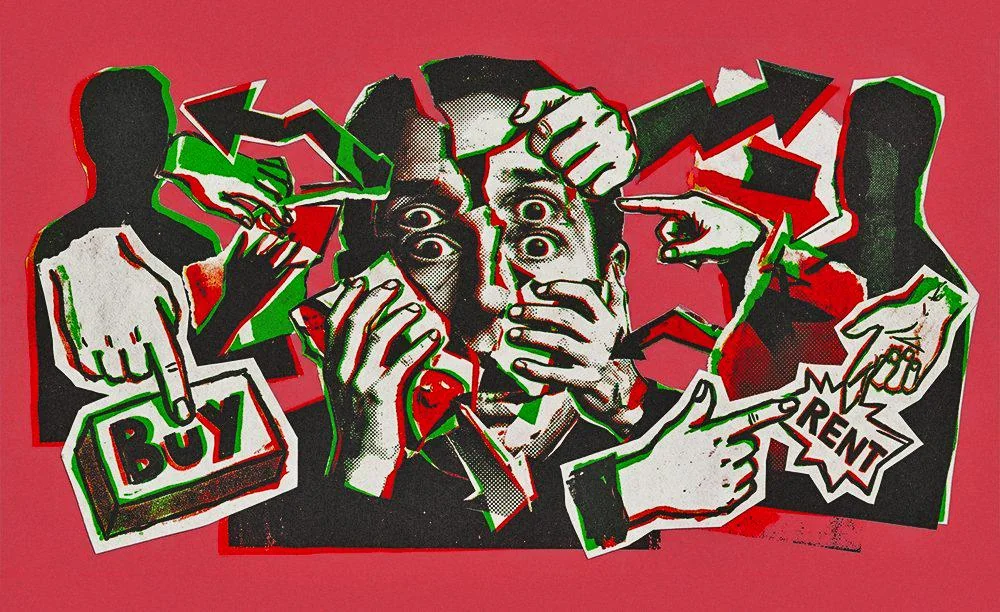
Credits: Global Brands Magazine
When Buying Doesn’t Mean Owning
One of the biggest misconceptions in the digital economy is the meaning of the word “buy.” When people purchase a digital movie, an ebook, or a piece of software, they naturally assume they own it just as they would a physical product. Legally, however, that is rarely the case.
Most digital purchases are governed by End User License Agreements (EULAs), lengthy legal contracts that almost nobody reads before clicking “Accept.” Instead of transferring ownership, these agreements grant users a license to access the content under specific terms set by the company. That license may be permanent, temporary, or conditional, and companies often reserve the right to change or revoke it.
This explains why digital products behave so differently from physical ones. A paperback novel on your bookshelf cannot suddenly disappear because the publisher changes its licensing agreement. A Blu-ray movie cannot be remotely deleted from your collection. Digital products, on the other hand, exist within ecosystems completely controlled by the companies that distribute them. If licensing agreements expire, services shut down, or account issues arise, access to previously purchased content may disappear without warning.
For consumers, the psychological difference between ownership and licensing is often invisible until something they paid for suddenly becomes unavailable.
The Subscription Economy Has Changed Everything
Perhaps the biggest reason digital ownership is disappearing is the explosive growth of subscription services. Over the past decade, subscriptions have replaced one-time purchases across almost every category of digital products.
Entertainment led the way. Netflix transformed television viewing by replacing DVD collections with unlimited streaming, while Spotify made millions of songs instantly accessible without requiring users to purchase albums individually. Soon afterward, Disney+, Apple TV+, Xbox Game Pass, PlayStation Plus, YouTube Premium, cloud storage platforms, productivity software, and even AI tools embraced the same model.
Consumers welcomed the convenience. Paying a monthly fee for access to enormous libraries was cheaper and easier than purchasing individual products. The trade-off, however, was permanent ownership. Instead of building collections that belonged to them, users now rent access to libraries that constantly change.
Movies frequently disappear from streaming platforms because licensing agreements expire. Music albums can vanish after disputes between artists and record labels. Television series sometimes move exclusively to competing services. Even original content is not guaranteed to remain available forever if companies decide to remove it for financial or strategic reasons.
Software has undergone a similar transformation. Programs that were once purchased outright have increasingly become subscription services. Adobe Photoshop, Illustrator, and Premiere Pro are now available primarily through Creative Cloud memberships, while Microsoft Office has largely shifted toward Microsoft 365. Stop paying the subscription, and access to the software—and often its latest features—comes to an end.
For companies, subscriptions generate predictable recurring income and strengthen customer loyalty. For consumers, they represent an ongoing rental agreement rather than genuine ownership.
Cloud Platforms Have Given Companies Greater Control
The rise of cloud computing has accelerated this shift even further. Increasingly, digital products no longer reside entirely on users’ devices. Instead, they depend on remote servers operated by the companies providing the service.
Photos, documents, emails, passwords, notes, calendars, and personal files are now routinely stored online rather than locally. Cloud storage offers significant advantages, including automatic backups, seamless synchronization across devices, and convenient file sharing. Yet it also introduces a new dependency: continued access relies entirely on the platform remaining operational and maintaining the user’s account.
Video games provide another clear example of this growing dependence. Physical game discs once contained everything needed to play indefinitely. Today, many games require internet authentication, online servers, frequent updates, or cloud-based features simply to function. Some titles become completely unplayable after publishers discontinue server support, regardless of whether players paid full price.
Cloud gaming takes this concept even further by eliminating local ownership altogether. Instead of downloading games, players stream them directly from remote servers. The convenience is undeniable, but there is nothing tangible left for consumers to keep. If a platform shuts down or loses distribution rights, entire game libraries can disappear instantly.
Smart home devices demonstrate a similar vulnerability. Connected cameras, speakers, thermostats, and security systems often rely on cloud infrastructure controlled by manufacturers. If a company discontinues support or closes its servers, products that consumers legally purchased may lose key functionality despite remaining physically intact.
The more digital experiences move into the cloud, the less control consumers have over the products they use every day.
Credits: The Indian Express
Can Consumers Ever Truly Own Digital Content Again?
The disappearance of digital ownership has sparked growing debate among consumers, lawmakers, and technology experts. Many people are beginning to question whether convenience has come at the expense of fundamental ownership rights.
One response has been renewed interest in DRM-free (Digital Rights Management-free) content, which allows users to download and permanently store purchased media without relying on continuous online authorization. Physical media, including Blu-rays, vinyl records, and boxed collector’s editions of games, have also experienced a modest resurgence among enthusiasts who value permanence over convenience.
Governments have started paying closer attention as well. Consumer protection agencies in several countries are examining whether digital marketplaces clearly communicate the difference between ownership and licensing. Some regulators have also explored rules that would make it easier for consumers to transfer digital purchases, repair connected devices, or retain access to software after official support ends.
Despite these discussions, the broader industry shows little sign of reversing course. Subscription models remain highly profitable, cloud services continue expanding, and companies increasingly prefer ecosystems that keep users connected—and paying—over long periods. Artificial intelligence services, productivity platforms, creative tools, and even premium features in modern vehicles are now being offered through recurring payment models instead of one-time purchases.

Credits: Gate.com
That does not necessarily mean ownership will disappear completely. Instead, the future is likely to consist of a hybrid model in which subscriptions dominate everyday convenience while ownership becomes a premium option for users who prioritize long-term access and control. Consumers, meanwhile, are becoming more aware that “buying” something online does not always mean possessing it forever.
The digital economy has undoubtedly made content easier to access than at any point in history, but it has also redefined one of commerce’s oldest concepts. Ownership is no longer measured by what sits on a shelf or lives on a hard drive. Instead, it increasingly depends on licenses, servers, subscriptions, and the decisions of the companies that control them. As this transformation continues, understanding the difference between owning a product and merely accessing it may become one of the most important digital literacy skills of the modern age.