• Send Us A Tip
  • Calling all Tech Writers
  • Advertise
Sunday, June 21, 2026
  • Login
TechStory
  • News
  • Crypto
  • Gadgets
  • Memes
  • Gaming
  • Cars
  • AI
  • Startups
  • Markets
  • How to
No Result
View All Result
  • News
  • Crypto
  • Gadgets
  • Memes
  • Gaming
  • Cars
  • AI
  • Startups
  • Markets
  • How to
No Result
View All Result
TechStory
No Result
View All Result
Home Cars

2026 Jeep Compass Leak Unveils Bold New Design, Advanced Platform & Electrified Powertrains

by Samir Gautam
May 2, 2025
in Cars
Reading Time: 3 mins read
0
2026 Jeep Compass Leak Unveils Bold New Design, Advanced Platform & Electrified Powertrains
TwitterWhatsappLinkedin

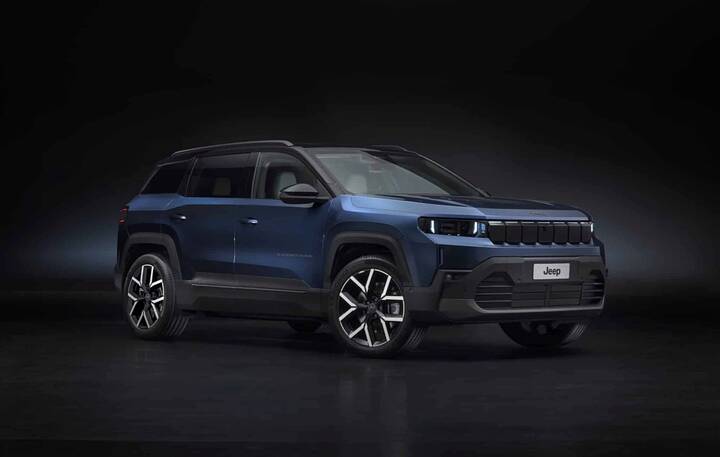
The all-new, third-generation Jeep Compass has been prematurely unveiled through a series of leaked images on social media, offering an early look at the SUV’s rugged new styling and modernized interior. The most comprehensive visuals come from Brazilian auto publication Quatro Rodas, which has showcased both exterior and interior images of what appears to be the production-ready model.

You might also like

How to Increase Gas Mileage: Small Driving Changes That Save Big at the Pump

Honda Recalls Nearly 99,000 Vehicles Over Front Passenger Airbag Sensor Defect

How Long Do Toyota Camrys Last? New Data Shows Why the Sedan Refuses to Quit

Rugged Evolution: Styling That Stays True to Jeep Roots

The design evolution is evident. While the overall silhouette of the 2026 Compass retains Jeep’s recognizable DNA, this generation leans heavily into a more angular, off-road-ready aesthetic. Squarer edges, chunkier details, and stronger surface lines give the new Compass a tougher appearance.

At the front, the iconic seven-slot grille remains, but in a surprising twist, appears to be non-functional—a bold move for a brand so rooted in utility. The vehicle seen in white is likely the Trailhawk variant, distinguishable by its heavy grey cladding and beefier bumper design, signaling improved off-road capability.

In profile, the Compass adopts a striking two-tone look with a completely blacked-out roof and pillars. A sharp shoulder line dips towards the rear wheels, a subtle design callback to the first-generation Compass, albeit with more finesse. The rear is dominated by a new full-width LED light bar, incorporating an illuminated Jeep logo and an “X” motif in the taillights.

Modern Interior: Premium Feel Meets Tech Upgrade

Inside, Jeep has stepped up its game. The leaked images reveal a more upmarket cabin featuring a larger central touchscreen, stitched leather-like materials across the dash, and brushed metal-style accents. A slab of wood-like trim runs across the dashboard, adding a premium touch not typically associated with past Compass models.

This move reflects Jeep’s strategy to compete more seriously with European and Asian rivals in the compact SUV market, where tech-savvy and well-appointed interiors are increasingly non-negotiable.

New Platform, New Potential: Meet STLA Medium

One of the biggest changes is under the skin. The 2026 Compass is built on Stellantis’ STLA Medium platform—shared with models like the Peugeot 3008, Opel Grandland, and Citroen C5 Aircross. This platform allows for greater flexibility in dimensions and drivetrain options, setting the stage for a more globally competitive vehicle.

Measuring between 4.3 and 4.9 metres in length with wheelbases ranging from 2700mm to 2900mm, the Compass will cater to a wide array of market needs. The platform supports up to 220mm ground clearance, ensuring it maintains Jeep’s off-road credibility.

Powertrain Options: Electric, Hybrid, and Beyond

A variety of powertrain options are expected:

  • Mild Hybrid: 1.2L three-cylinder Miller cycle engine with 100kW power, paired with a 21kW electric motor integrated into a six-speed dual-clutch transmission.

  • Plug-in Hybrid: 1.6L petrol engine paired with an electric motor delivering 145kW combined output and up to 85km of electric-only range thanks to a 21kWh battery.

  • Fully Electric: Models sporting an ‘e’ badge are expected to offer between 160kW to 285kW and feature 400V architecture, with battery options up to 98kWh providing 500–700km range.

Global Rollout: Production Begins in Italy

Production of the new Compass will begin later this year in Melfi, Italy, with manufacturing expanding to North America and Brazil in 2026. Given its bold redesign, global platform, and electrified drivetrains, the 2026 Compass is poised to become a major player in the global compact SUV segment.

Verdict: The third-gen Jeep Compass is not just a refresh—it’s a full-fledged reboot aimed at a more demanding, more electrified world. Will it live up to the hype? We’ll find out soon.

Would you like a side-by-side comparison with the outgoing Compass model?

Tags: JeepJeep compass
Tweet55SendShare15
Previous Post

Duolingo Implements AI-First Policy, Restricts New Hires in Automation Push

Next Post

EV Owners Face New $250 Annual Fee Under Federal Proposal: Fairness or Punishment?

Samir Gautam

Recommended For You

How to Increase Gas Mileage: Small Driving Changes That Save Big at the Pump

by Samir Gautam
June 21, 2026
0
Fuel prices may rise and fall, but one thing stays constant: drivers want to make every litre go further. The good news is that improving gas mileage does not always require buying a new hybrid or changing cars altogether. A few disciplined habits behind the wheel, along with basic maintenance, can make a noticeable difference over time. For most drivers, the biggest gains come from reducing waste. That means less aggressive acceleration, fewer unnecessary trips, correctly inflated tyres and a car that is mechanically healthy. Smooth Driving Uses Less Fuel The quickest way to burn more fuel is to drive as if every traffic light is a starting grid. Hard acceleration, sharp braking and sudden changes in speed force the engine to work harder and consume more petrol. A smoother approach works better. Accelerate gradually, maintain a steady speed where possible and look ahead to anticipate traffic. If a red light is visible in the distance, easing off the accelerator early is usually more efficient than rushing forward and braking hard at the last moment. Speed also matters. As speeds rise, aerodynamic drag increases and the engine needs more energy to keep the vehicle moving. On highways, staying within a sensible cruising range rather than constantly pushing at high speeds can help reduce fuel consumption. Check Tyre Pressure Regularly Tyres are easy to ignore until something goes wrong, but they play a major role in fuel economy. Under-inflated tyres create more rolling resistance, which means the engine has to use more fuel just to move the car forward. Drivers should check tyre pressure at least once a month, preferably when the tyres are cold. The correct pressure is usually listed on the driver-side door frame or in the owner’s manual. It is important not to use the maximum pressure printed on the tyre sidewall as a target. That figure is not necessarily the recommended setting for the vehicle. The US Environmental Protection Agency notes that under-inflation reduces fuel economy, increases tyre wear and adds to emissions. Stop Carrying Extra Weight A car is not a storage room. Heavy items in the boot may seem harmless, but extra weight makes the engine work harder, especially in city traffic where the vehicle is constantly stopping and starting. Clear out unnecessary tools, boxes, sports gear and other items that have been sitting in the car for weeks. Roof racks and cargo boxes can also hurt mileage by increasing aerodynamic drag. If they are not being used, remove them. This is especially relevant for drivers who spend most of their time on highways, where wind resistance becomes a bigger factor. Keep Up With Maintenance A well-maintained vehicle is usually a more fuel-efficient vehicle. Delayed oil changes, worn spark plugs, clogged air filters, dragging brakes and poor wheel alignment can all affect how efficiently a car runs. Following the manufacturer’s service schedule is the safest route. Use the recommended engine oil grade and get warning lights checked instead of ignoring them. A sudden drop in mileage can be an early sign that something needs attention. The EPA advises motorists to follow their vehicle maintenance schedule and use the recommended motor oil to support better fuel efficiency and safer operation. Combine Trips and Avoid Long Idling Short trips can be surprisingly fuel-hungry because the engine has not had enough time to reach its most efficient operating temperature. Combining errands into one planned route can reduce cold starts, unnecessary kilometres and fuel use. Idling is another quiet fuel drain. If you are waiting for an extended period, switching off the engine can be more sensible than leaving it running. Modern cars do not need long warm-up periods before driving. Start, settle for a few seconds and drive gently. The Bottom Line Better gas mileage is less about one miracle trick and more about consistent habits. Drive smoothly, maintain the right tyre pressure, remove excess weight and service the car on time. These small changes may not feel dramatic on a single trip, but over months of commuting, school runs and highway drives, they can add up to real savings.

Fuel prices may rise and fall, but one thing stays constant: drivers want to make every litre go further. The good news is that improving gas mileage does...

Read more

Honda Recalls Nearly 99,000 Vehicles Over Front Passenger Airbag Sensor Defect

by Samir Gautam
June 20, 2026
0
Honda Recalls Nearly 99,000 Vehicles Over Front Passenger Airbag Sensor Defect

Honda is recalling nearly 99,000 vehicles in the United States after identifying a defect in the front passenger seat weight sensor that could affect how airbags deploy in...

Read more

How Long Do Toyota Camrys Last? New Data Shows Why the Sedan Refuses to Quit

by Samir Gautam
June 19, 2026
0
Toyota Camry lifespan guide

For decades, the Toyota Camry has built a reputation that few mainstream sedans can match. While many vehicles begin showing their age after a decade on the road,...

Read more
Next Post
EV Owners Face New $250 Annual Fee Under Federal Proposal: Fairness or Punishment?

EV Owners Face New $250 Annual Fee Under Federal Proposal: Fairness or Punishment?

Please login to join discussion

Techstory

Tech and Business News from around the world. Follow along for latest in the world of Tech, AI, Crypto, EVs, Business Personalities and more.
reach us at info@techstory.in

Advertise With Us

Reach out at - info@techstory.in

Aviator Game India 2026

BROWSE BY TAG

#Crypto #howto 2024 acquisition AI amazon Apple Artificial Intelligence bitcoin Business China cryptocurrency e-commerce electric vehicles Elon Musk Ethereum facebook funding Gaming Google India Instagram Investment ios iPhone IPO Market Markets Meta Microsoft News OpenAI samsung Social Media SpaceX startup startups tech technology Tesla TikTok trend trending twitter US

© 2025 Techstory.in

No Result
View All Result
  • News
  • Crypto
  • Gadgets
  • Memes
  • Gaming
  • Cars
  • AI
  • Startups
  • Markets
  • How to

© 2025 Techstory.in

Welcome Back!

Login to your account below

Forgotten Password?

Retrieve your password

Please enter your username or email address to reset your password.

Log In
Are you sure want to unlock this post?
Unlock left : 0
Are you sure want to cancel subscription?