• Send Us A Tip
  • Calling all Tech Writers
  • Advertise
Wednesday, July 1, 2026
  • Login
TechStory
  • News
  • Crypto
  • Gadgets
  • Memes
  • Gaming
  • Cars
  • AI
  • Startups
  • Markets
  • How to
No Result
View All Result
  • News
  • Crypto
  • Gadgets
  • Memes
  • Gaming
  • Cars
  • AI
  • Startups
  • Markets
  • How to
No Result
View All Result
TechStory
No Result
View All Result
Home Future Tech

IBM and Samsung say their new chip design could lead to week-long battery life on phones

by Aashish Sehrawat
December 15, 2021
in Future Tech, Gadgets, Gaming, Tech
Reading Time: 2 mins read
0
Unilever’s CHRO Leena Nair to lead Chanel as its global CEO

Image: TheVerge

TwitterWhatsappLinkedin
Image: TheVerge

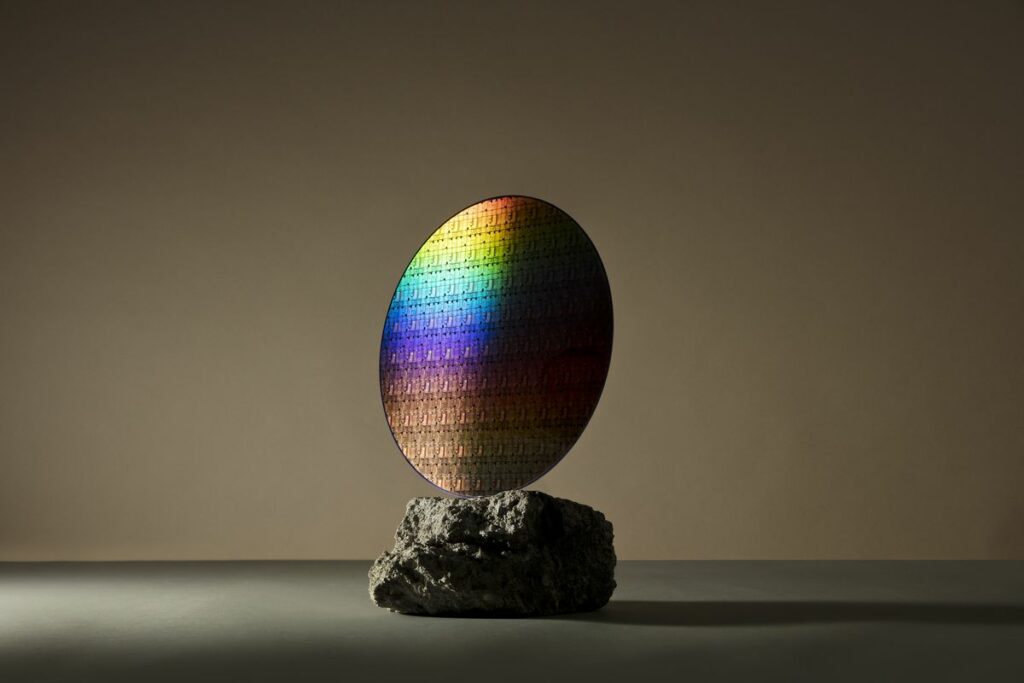
IBM and Samsung have developed a novel way to stack transistors vertically on a chip, which they call “vertical stack” (instead of lying flat on the surface of the semiconductor).

You might also like

The DRAM Triarchy Under Fire Tech Giants Sued for Artificially Manufacturing the ‘Rampocalypse’

Hijacking the Cloud Cargo Thieves Target AI Data Center Supplies in Nationwide Heists

How To Beat Orange & Green Boss In Deltarune

The new Vertical Transport Field Effect Transistors (VTFET) architecture is intended to replace the current FinFET technology, which is utilised in some of today’s most advanced circuits, and could allow for even more densely packed transistors than are currently possible.

In essence, the new design stacks transistors vertically, allowing current to flow up and down the stack rather than the current-flowing side-to-side horizontal architecture found on most chips.

Vertical semiconductor designs have been popular for a time (FinFET already provides some of these benefits); Intel’s future roadmap appears to follow suit, but its initial efforts concentrated on stacking chip components rather than individual transistors. After all, after you’ve exhausted all other options for cramming more chips into a single plane, the only place to go is up (apart from literally reducing transistor technology).

While VTFET designs are still a ways off from being used in consumer circuits, the two businesses are making some bold claims, claiming that VTFET chips may provide a “two-fold gain in performance or an 85 percent reduction in energy use” over FinFET designs.

VTFET technology, IBM and Samsung argue, might help maintain Moore’s law’s goal of continually growing transistor count moving forward by squeezing more transistors into processors.

IBM and Samsung are also speculating on some far-fetched applications for the new technology, including “cell phone batteries that could go over a week without being charged, instead of days,” “less energy-intensive cryptocurrency mining or data encryption,” and “even more powerful IoT devices or even spacecraft.”

Earlier this year, IBM unveiled their first 2nm chip, which takes a different approach to packing more transistors onto a circuit by scaling up the amount that can be placed onto a chip using the existing FinFET design.

VTFET, on the other hand, would try to go much further, though it would likely be even longer before we see chips based on IBM and Samsung’s latest technology on the market.

It isn’t the only corporation looking ahead to the future of manufacturing. Over the summer, Intel unveiled their forthcoming RibbonFET (Intel’s first gate-all-around transistor) design, which is set to be part of the Intel 20A series of semiconductor products, which is scheduled to begin scaling production in 2024.

In addition, the business has unveiled its own concept for stacked transistor technology as a potential RibbonFET successor in the future.


Tags: BatteryChipIBMProcessorsamsungsmartphoneSoC
Tweet54SendShare15
Previous Post

Leaked documents link Huawei to China’s domestic spying in Xinjiang

Next Post

Everything You Need to Know about DeSo

Aashish Sehrawat

Recommended For You

The DRAM Triarchy Under Fire Tech Giants Sued for Artificially Manufacturing the ‘Rampocalypse’

by Anochie Esther
July 1, 2026
0
RAM price-fixing lawsuit

The global consumer electronics market has spent the last year reeling from a devastating surge in component costs. Dubbed the "rampocalypse" by hardware enthusiasts and industry insiders, the...

Read more

Hijacking the Cloud Cargo Thieves Target AI Data Center Supplies in Nationwide Heists

by Anochie Esther
July 1, 2026
0
cargo thieves target AI data center supplies

The rapid buildout of global artificial intelligence infrastructure has created a multi-billion-dollar logistics pipeline, keeping thousands of high-value freight trailers on the road at any given time. However,...

Read more

How To Beat Orange & Green Boss In Deltarune

by Khilav Jadav
July 1, 2026
0
How to Get Shiny Sylveon in Pokemon GO

The Orange & Green boss fight in DELTARUNE Chapter 5 is one of the most unusual battles in the game. At first, it feels like a normal boss...

Read more
Next Post
FLUX

Everything You Need to Know about DeSo

Please login to join discussion

Techstory

Tech and Business News from around the world. Follow along for latest in the world of Tech, AI, Crypto, EVs, Business Personalities and more.
reach us at info@techstory.in

Advertise With Us

Reach out at - info@techstory.in

Aviator Game India 2026

BROWSE BY TAG

#Crypto #howto 2024 acquisition AI amazon Apple Artificial Intelligence bitcoin Business China cryptocurrency e-commerce electric vehicles Elon Musk Ethereum facebook funding Gaming Google India Instagram Investment ios iPhone IPO Market Markets Meta Microsoft News OpenAI samsung Social Media SpaceX startup startups tech technology Tesla TikTok trend trending twitter US

© 2025 Techstory.in

No Result
View All Result
  • News
  • Crypto
  • Gadgets
  • Memes
  • Gaming
  • Cars
  • AI
  • Startups
  • Markets
  • How to

© 2025 Techstory.in

Welcome Back!

Login to your account below

Forgotten Password?

Retrieve your password

Please enter your username or email address to reset your password.

Log In
Are you sure want to unlock this post?
Unlock left : 0
Are you sure want to cancel subscription?