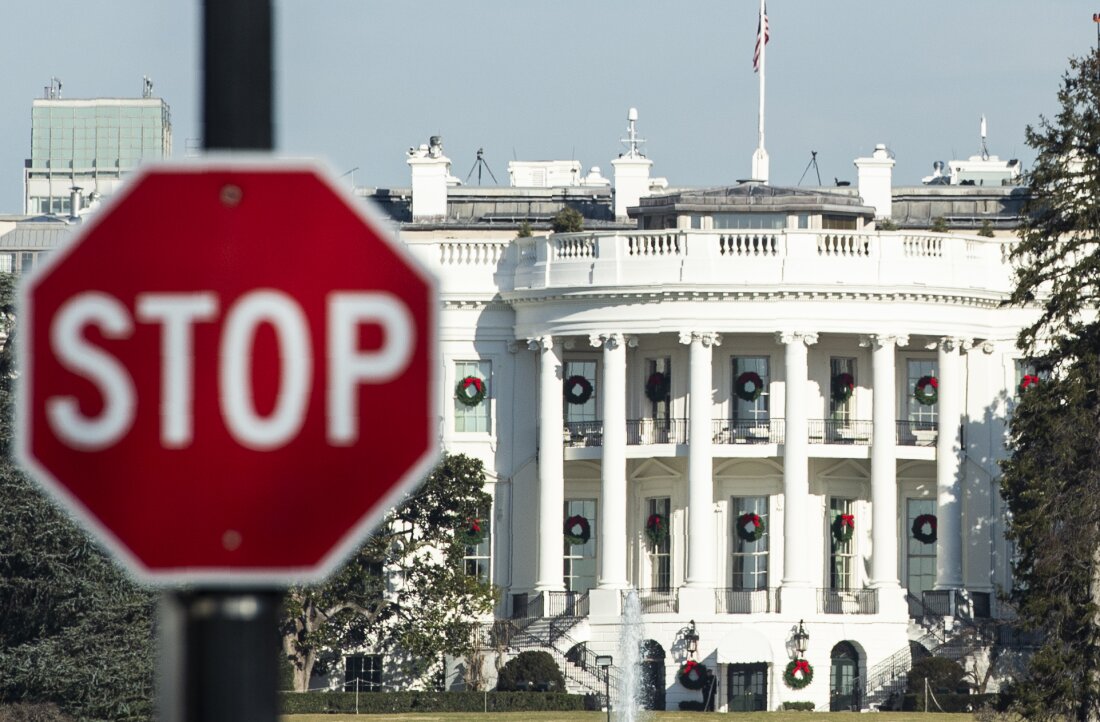
The 2025 shutdown became one of the most disruptive events in modern American public life, stretching across forty-three days and touching nearly every part of the federal system. It began at midnight on October 1, 2025, when Congress failed to agree on funding for the new fiscal year. By the time it ended on November 13, 2025, the country had passed through weeks of stalled services, missed paychecks, halted programs, political shouting matches, and an economic hit that analysts estimate will leave a long-term mark.
What set this shutdown apart was not only its length, but the scale of its impact, the depth of the political divide behind it, and the lasting fallout that continues to shape debates heading into 2026. It revealed how fragile the federal budget process has become and how quickly policy disputes can spill into daily life for millions of people. This article offers a full look at how the shutdown unfolded, why it happened, how it affected the public, and what its aftermath means for the road ahead.
The shutdown began the moment Congress missed its deadline to approve funding. Early signs of strain appeared within hours as agencies issued notices to staff, ordering many to stay home without pay. More than 600,000 federal employees were immediately furloughed, and more than a million others were required to work without pay to keep essential services moving.
Museums and national parks closed their doors, airlines warned passengers to prepare for delays, and the public faced the first wave of uncertainty as the political standoff hardened. In the opening week, the White House pressed Congress to support a set of spending cuts backed by the Department of Government Efficiency, known as DOGE, which had become a major point of conflict. These cuts, along with disputes over health insurance subsidies, set the tone for the weeks ahead.
As the shutdown moved into its second week, the strain deepened. Workers missed their first paycheck. The military received reduced pay for some roles. Agricultural programs were hit by wage decisions that sparked pushback from farm groups. Early education programs ran out of funds. At airports, confusion grew after a public messaging battle between the Department of Homeland Security and airport authorities. In Congress, the House advanced a temporary funding measure, but it stalled in the Senate, where Democrats continued to block any bill that excluded healthcare subsidy extensions. By this point, economic analysts warned that the cost of the shutdown was climbing steadily.
During the third week, stress reached households across the country as food aid programs were disrupted. More than forty million people faced delays in receiving SNAP benefits, sending many to local food pantries that were already stretched thin. Air travel problems escalated as staffing shortages led to more than a thousand canceled flights and long lines at security checkpoints. Washington, D.C. saw a jump in unemployment as contractors and hourly workers lost income. Public frustration grew louder, but negotiations in Congress remained stalled.
By the fourth week, the shutdown crossed the one-month mark. The Internal Revenue Service was forced to hold back refunds, creating a growing backlog that experts warned could spill into the next tax season. National parks, stuck without staff or maintenance budgets, struggled with closures and safety concerns, costing surrounding towns up to a billion dollars a week in lost tourism. Some federal layoffs attempted by the administration were blocked in court, while temporary adjustments helped keep certain nutrition programs open. Lawmakers continued to trade accusations on cable news, with little progress toward a solution.
Entering the fifth week, the Federal Aviation Administration reduced traffic at major airports to cope with severe staff shortages. Thousands of attempted permanent layoffs across agencies faced legal challenges. The Congressional Budget Office released new estimates showing the shutdown was costing the economy around fifteen billion dollars per week, raising fears of more lasting damage. Public opinion surveys revealed a nearly even split in blame between political parties. At the same time, concerns grew about health insurance costs because key subsidies for Affordable Care Act plans were set to expire at the end of the year. Families faced forecasts of steep premium hikes.
The shutdown broke the previous record in its sixth week. Courts ordered some food aid programs to resume at limited levels, easing pressure on low-income households. Behind the scenes, a small group of senators began working on a compromise. Their proposal offered Democrats a promised vote on health subsidies in December in exchange for reopening the government without immediate policy concessions. With no better options, the House passed the agreement on November 12, and the Senate followed.
On November 13, President Trump signed the bill, bringing the shutdown to an end. It ensured back pay for workers, paused attempts at permanent layoffs, and funded the government until January 30, 2026. Federal employees returned to work the next day. Although the government reopened, the data gaps from weeks of stalled agencies created problems for economists and policymakers. Some reports, including the October jobs data, were incomplete or delayed, leaving the Federal Reserve uncertain about its next steps. Agencies began sorting through backlogs that would take months to address.
To understand why this shutdown occurred, it is essential to look at the policy battles behind it. The DOGE program, led by Elon Musk and Vivek Ramaswamy, had become a cornerstone of the administration’s effort to push two trillion dollars in spending cuts. The Rescissions Act, passed in July, allowed many of these cuts to be locked in permanently, leading Democrats to argue that any deal they reached could later be undone. At the same time, Democrats refused to pass any budget that did not extend health insurance subsidies for Affordable Care Act plans. Without an extension, premiums for more than twenty million people were projected to rise sharply at the start of 2026. Both sides accused the other of forcing a shutdown to gain political leverage.
The human effect of the shutdown was severe. Hundreds of thousands of federal workers went weeks without pay, and many struggled to cover bills, rent, and childcare. Contractors faced even greater hardship since many were unlikely to receive back pay. Agencies attempted thousands of permanent layoffs, many tied to DOGE plans, but courts blocked them until after reopening.
Essential workers, from air traffic controllers to border agents, continued working without pay, leading to burnout and shortages. Public services felt the strain. Millions faced delays in food aid. Air travel suffered more than four thousand cancelled flights. National parks and museums are closed. Student aid, veteran services, and tax processes fell behind. Each problem created ripple effects in local communities.
The economic loss from the shutdown will linger. The Congressional Budget Office estimates that eleven billion dollars in economic activity will never return. Small businesses near federal offices suffered steep declines. Contractors laid off staff. Data gaps weakened the government’s ability to monitor the economy. While some recovery is expected in early 2026, the shutdown revealed how fragile many parts of the federal system have become.
The final agreement that reopened the government did not fully resolve the disputes that caused the shutdown. Congress now faces a new deadline at the end of January, and political fights over healthcare, spending cuts, and DOGE reforms are still active. Polls show the public remains frustrated with both parties, and markets continue to watch for signs of another shutdown. Analysts warn that underfunded cybersecurity programs, delayed by budget cuts and the shutdown, could leave federal systems more exposed this winter.